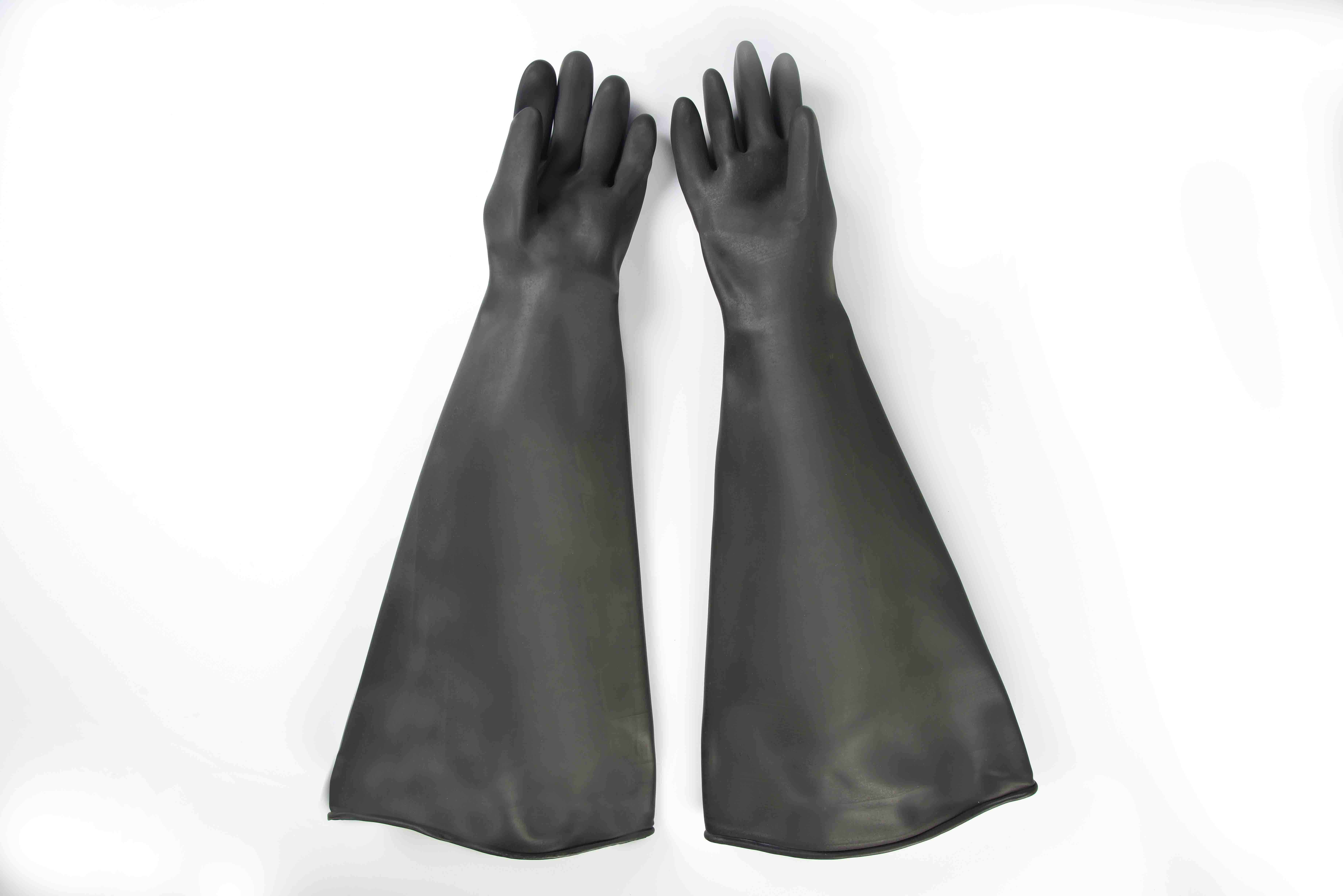
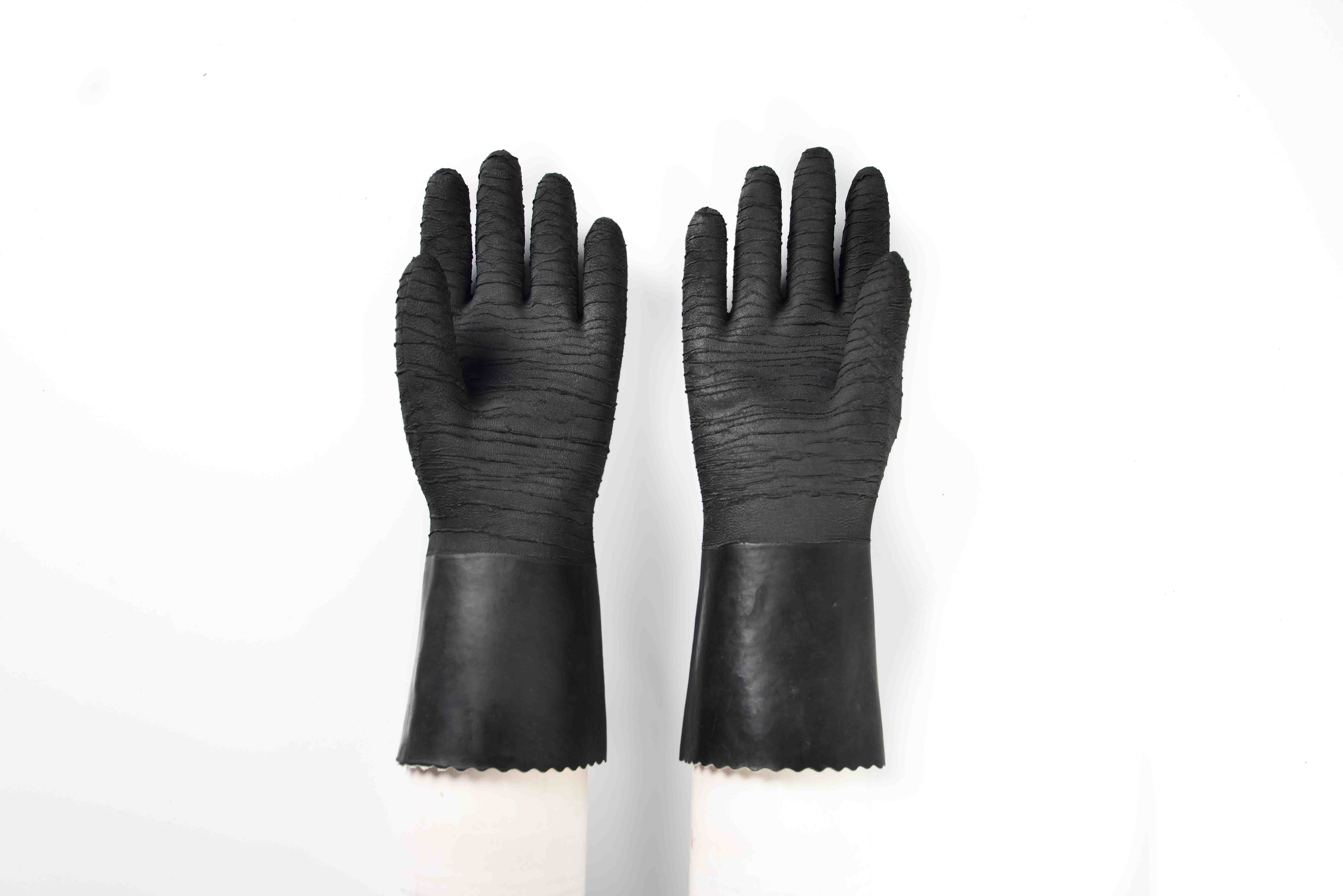
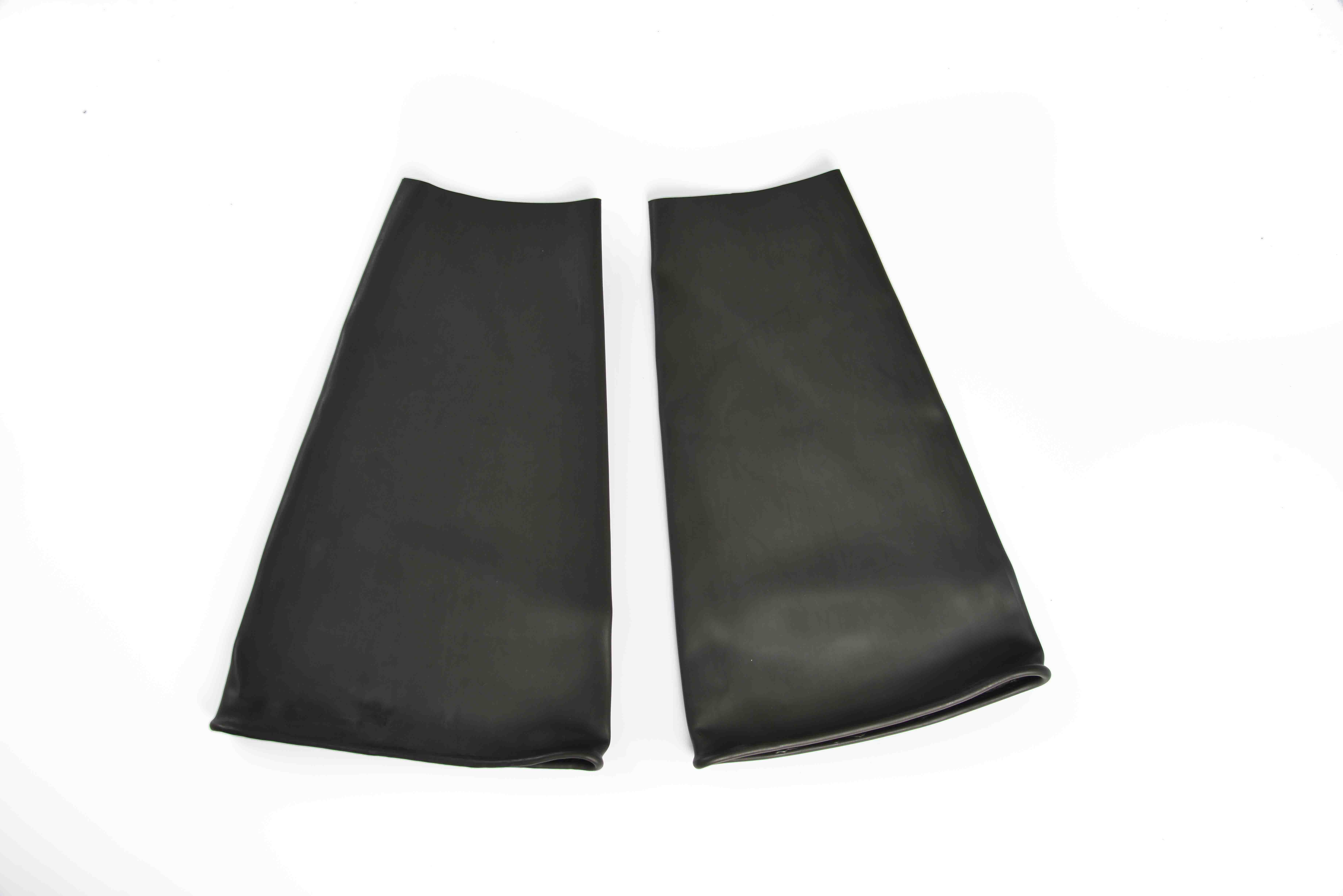
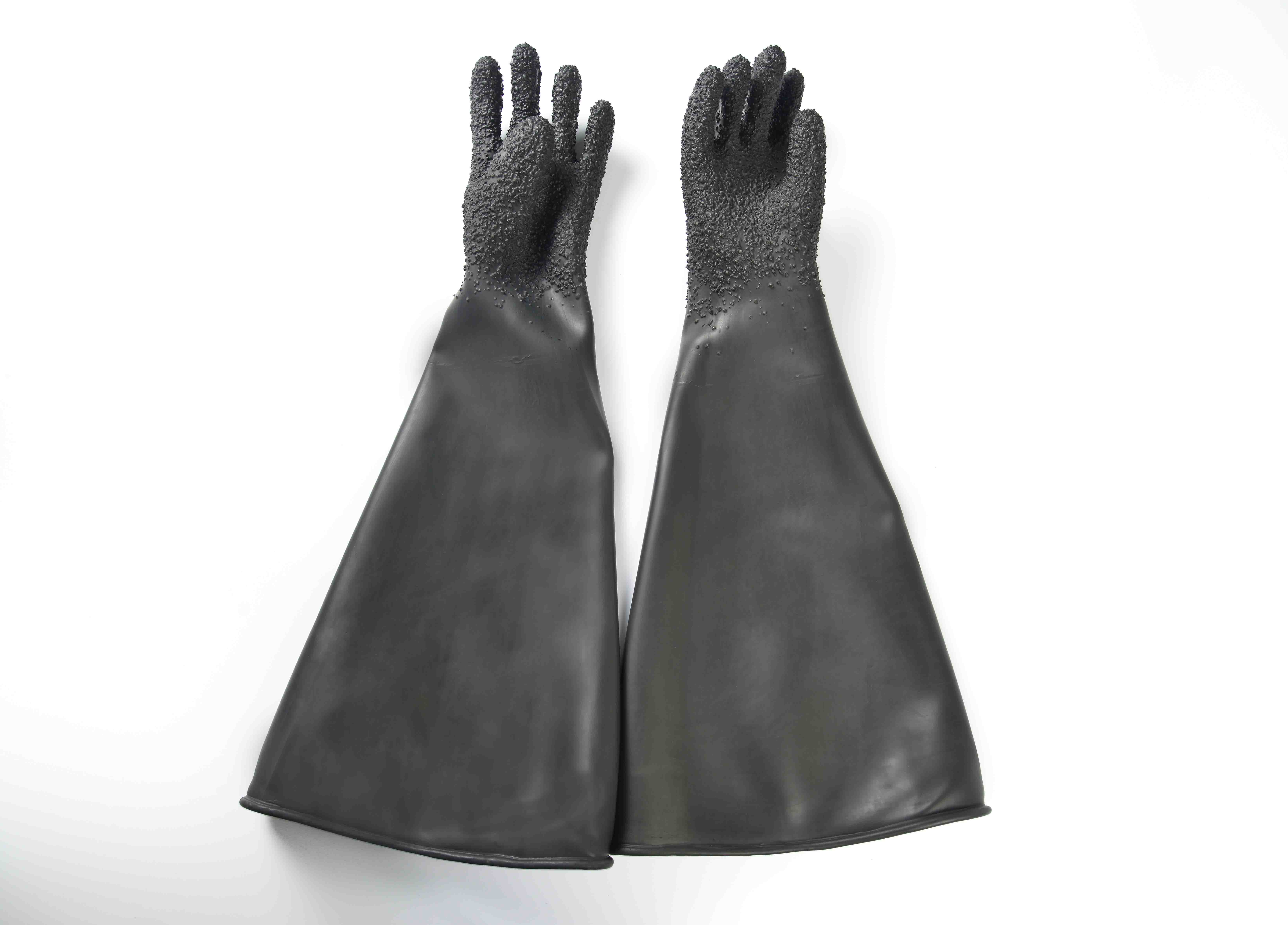
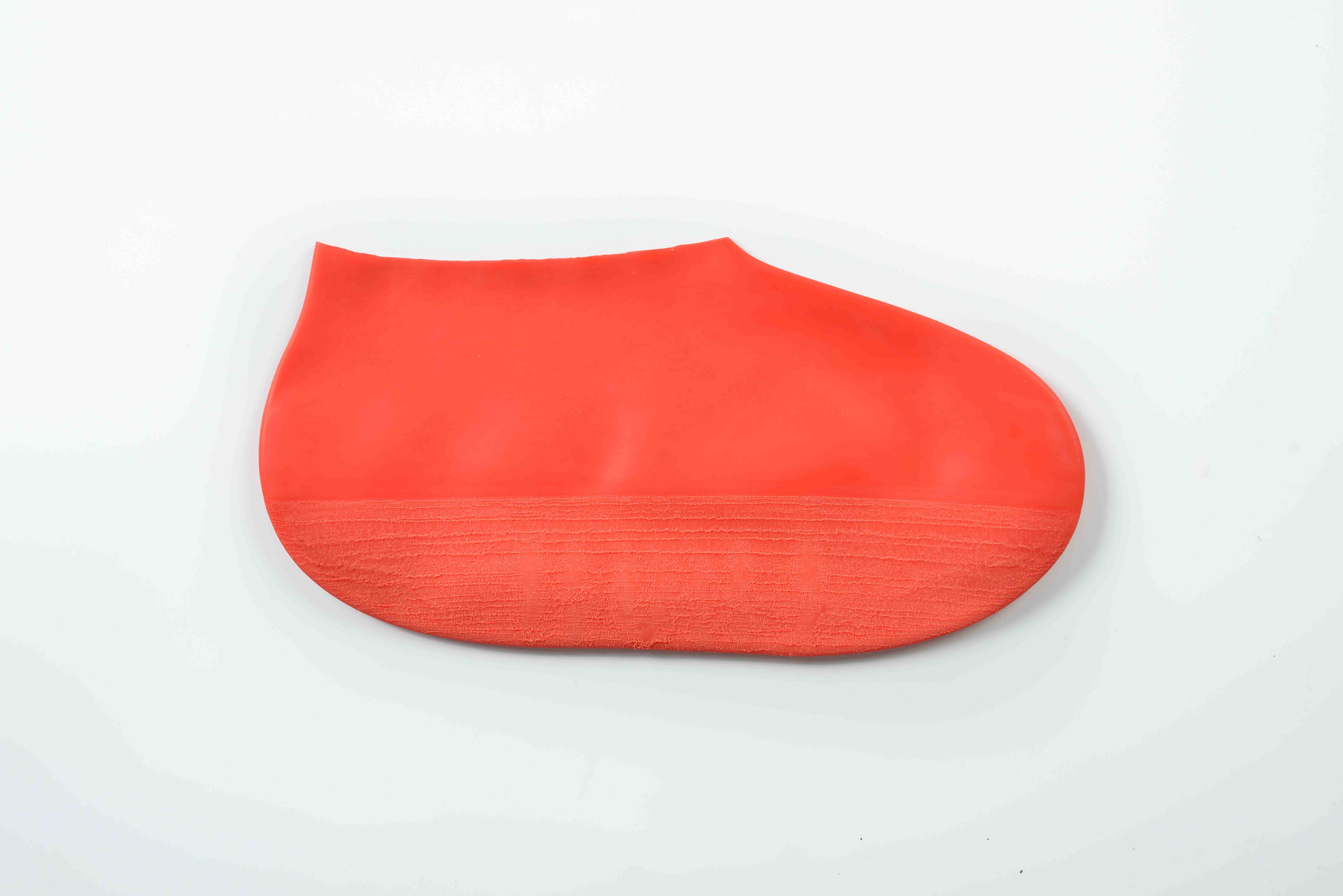
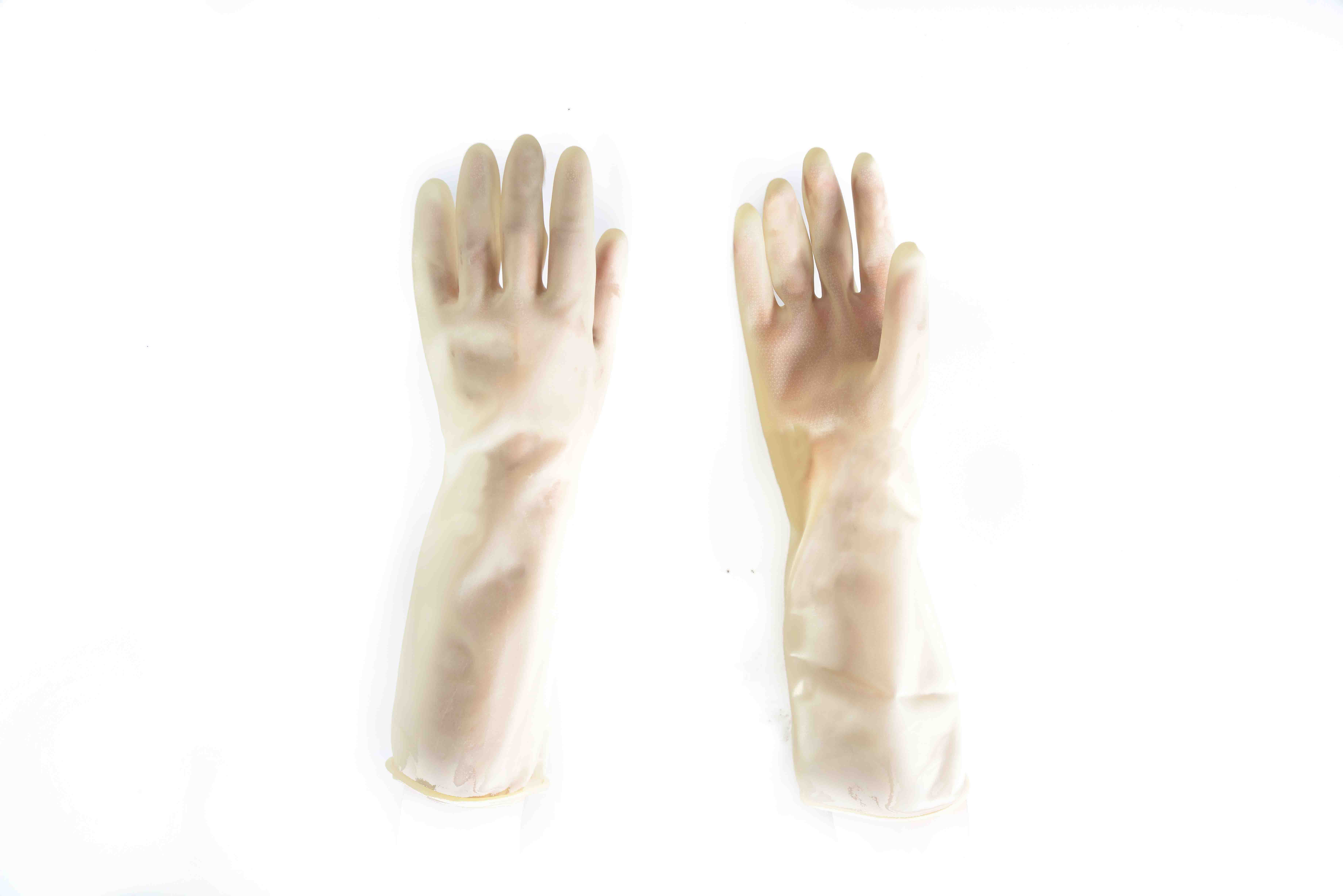
12 Years Factory wholesale 32″ rubber glove with cotton linning-rough finish in Australia
Short Description:
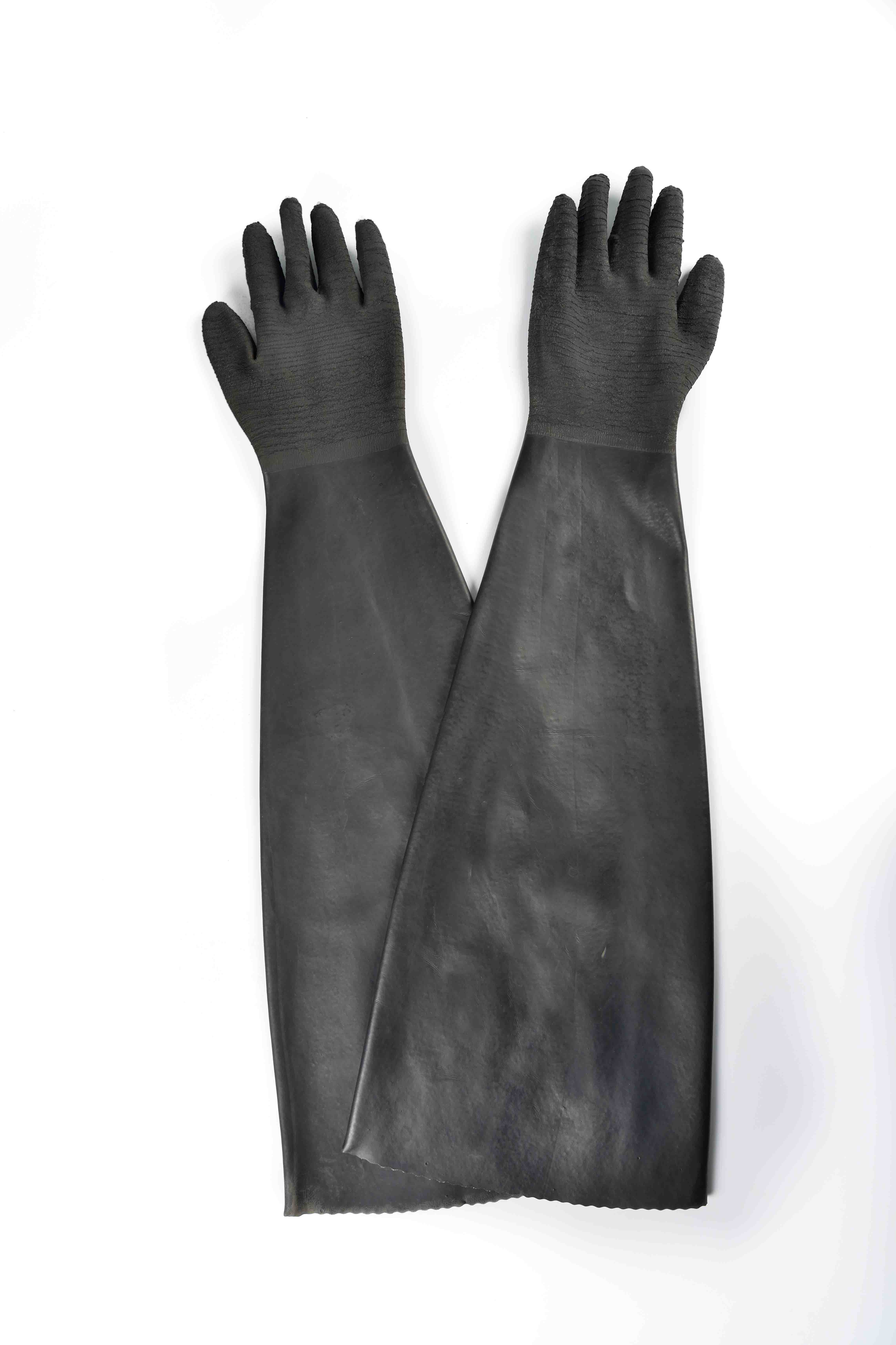
Heavy duty rubber glove, made of 100% natural latex. 32″ length(82cm), rough finish, seamless, cotton lining, ambidextrous style (fits either hand), 800g/pair, 50pairs/case. Using for Isolater, dry box, blast cabinet, etc.
Product Detail
FAQ
Product Tags
We always believe that one's character decides products' quality, the details decides products' quality ,with the REALISTIC,EFFICIENT AND INNOVATIVE team spirit, trend BIG BUSINESS ROAD CONDUCTS YOURSELF. 12 Years Factory wholesale 32″ rubber glove with cotton linning-rough finish in Australia, If you are interested in any of our products or would like to discuss a custom order, please feel free to contact us. We are looking forward to forming successful business relationships with new clients around the world in the near future.
Heavy duty rubber glove, made of 100% natural latex.
32″ length(82cm), rough finish, seamless, cotton lining, ambidextrous style (fits either hand), 800g/pair, 50pairs/case. Using for Isolater, dry box, blast cabinet, etc.
FAQ Content
Hardshell gourds have been used as food and beverage containers, and art pieces for centuries. They are often referred to as “nature’s pottery” due to their beautiful variety of shapes and hardy uses. The creative crafting possibilities of hardshell gourds are endless; from bowls and cups (mate gourds, used for drinking yerba mate), to purses, jewelry, Christmas ornaments, lampshades, jewelry boxes, bird houses, tribal penis shields, and even a wide variety of musical instruments. The list goes on forever, only limited by your imagination.
But I’m not here right now to tell you what to do with them (maybe later); I’m here to tell you how to clean them inside and out, using safety precautions.
The need to clean depends largely on what you plan to do with the gourd. You may decide to only work on the outside without a need to open the gourd, in which case you get to avoid the extra work involved. If you plan to make a bowl, for example, then clearly you’ll be working on both inside and outside, as well as cutting and/or carving.
The outsides of dried gourds are fairly simple to clean, if sometimes labor intensive. The extent to which you clean them depends upon how you want to use them, and what you might want to add to the surface (paints, dyes, etc.). If you want a naturey-looking gourd with its natural waxy coating you don’t have to do much beyond washing off dirt and dark mold with a hot water and bleach solution (maybe 10 parts water to 1 part bleach), which retards future mold growth. However, if you want to dye a gourd, leaving the waxy coating on it might prevent dye from soaking into the surface the way you want it to, which means you’ll have to scrub harder to remove nature’s irritating addition to your innocent craft project.
The insides of gourds are a different story, and a potentially dangerous one. You need to be careful not to inhale the contents. Not all hardshell gourds are terrible inside, but they are all dusty, and you can’t guess which ones will merely make you sneeze and which ones might contain mold/fungus, bacteria, and other pathogens that could cause serious allergic reactions, including anaphylactic shock. I’ve personally been flattened with a gourd dust-related illness that gourd crafters refer to as “gourd flu”, which was basically illness that mimicked semi-severe flu symptoms (fever, aching joints, muscle soreness, mucus, fatigue) for about two to three days. If there’s a medical term for this, I don’t know what it is, but in hindsight… I probably should have seen a doctor. And you should, too, if it ever happens to you.
So… to prepare, make sure you use a dust mask. They’re easily found at hardware stores all over. Choose a good one designed for working with wood/sawdust; if possible, look into one that also protects against molds/fungus. Second, use protective goggles. Remember, these precautions aren’t just for gourds; any time you do craftwork involving dust, solvents, tools and so on.
What can you expect to find when you open a gourd (via Xacto knives/saws, mini electric jigsaws, or Dremels… be careful not to cut yourself)? Dust, seeds, a styrofoam-like substance, and hardened pulp, maybe even a few tiny beetles. You probably don’t want to keep that junk in there, right? So you have to clean it out, and often this is easy, but occasionally this can get ugly.
You should prepare yourself for cleaning the outside with:
~ A sink or tub, the size depending on the size(s) of gourds you’re cleaning.
~ Rags
~ Copper scrubbing pads. 100% copper means they won’t rust should you want to use them again later.
~ Bleach
~ Old towel(s)
~ Something to scrape with, perhaps a knife edge
~ Rubber dish gloves
You should prepare yourself for cleaning the inside with:
~ Gardening gloves, or thicker gloves
~ A melon baller
~ A taxidermy scraper
~ A sanding sponge
~ A shop vac
~ Dust masks, the best ones being for the finest particulate matter
~ Eye protection, especially if you plan on using power tools
~ Electric drill with wire brush bit for spots that are hard to reach
Please don’t ignore the safety precautions, especially regarding sawdust. If you use a high-powered cutting tool (Dremel, etc), you’ll be generating a lot… a LOT… of sawdust from the gourd, and it is very, very fine. The faster the tool, the more dust you’ll create. Many gourd artists opt for mini-jigsaws with variable speeds, to control the cutting and minimize dust. In addition to dust masks and goggles, you should work in a well-ventilated area.
Description:
HY630 is liquid rubber(condensation cure rtv, or tin cure silicone) mainly used for silicone plastic molds, with the advantages of good tensile strength, high tear strength, high temperature resistance, excellent chemical resistance, high duplication times, long-term stability, high durability, etc. This moulding rubber is one of the products with the highest use level in the production of craftwork gifts and its shrinkage is even lower than 2‰. RTV mould rubber and silicone rubber are general called two-component room temperature vulcanization silicone with excellent fluidity and good operational flexibility, easy moulding process, and so on. Add curing agent of 2%-3% at the room temperature, the rtv mould rubber is still operational within 30 minutes,and after 2-5 hours, the silicone elastomer(silicone mold) will be obtained with resistance to deformation, extremely high or low temperature, acid and alkali and expansion. The rtv mould rubber is mainly applicable to mold duplication of poly crafts, resin craftworks, lightings, candles. It is also suitable for fabrication of precision molds.
RTV Mould Rubber Applications:
Plastic molds, silicone soft plastic molds,making molds for plastic toys, plastic crafts, plastic gifts, PU products,stationary products, pavement, and so on. It has a quite broad applications due to its favorable viscosity and hardness.
RTV Mould Rubber Standard Datasheet:
Model
Appearance
Viscosity (cs)
Hardness (A°)
Tensile Strength (kgf/c㎡)
Tear Strength (kgf/㎝)
Elongation (%)
Mixing ratio(%)
Operating Time(H)
Curing Time(H)
630
White
30000~38000
30±2
≥3.8
≥2.8
≥380
2~3
0.5~1
2~5
Operation Instruction for rtv mould rubber:
The product is a kind of white flowing liquid . If the customer wants to make large products and large size molds, the mold should be made of rtv mould rubber with high hardness. On the contrary, if the mold with fine and precision patterns , it should be made of rtv mould rubber with low hardness. The amount of the curing agent depends on the actual requirements of the customer.
The proportions and reactions of the curing agent and the silicone are listed in the following:
1. Curing agent 1% added, the silicone can still be operated within 2.5 hours and can be demoulded after 6-8 hours.
2. Curing agent 2% added, the silicone can still be operated within 50 minutes to 1 hour and can be demoulded after 2-3 hours.
3. Curing agent 3% added, the silicone can still be operated within 28 – 30 minutes and can be demoulded after 1.5-2 hours.
4. Curing agent 4% added, the silicone can still be operated within 10 – 15 minutes and can be demoulded after 1 -1.5 hours.
Any more information abt Silicone rubber, pls feel free to contact Ms. Jojo
Mobile: 0086-15013774669
Fax: 0086-755-89948030
Website: : www.szrl.net
Email:hyxz@szrl.net
Skype: live:siliconerubber
Weichat:8618229852599
WhatsApp:008615013774669