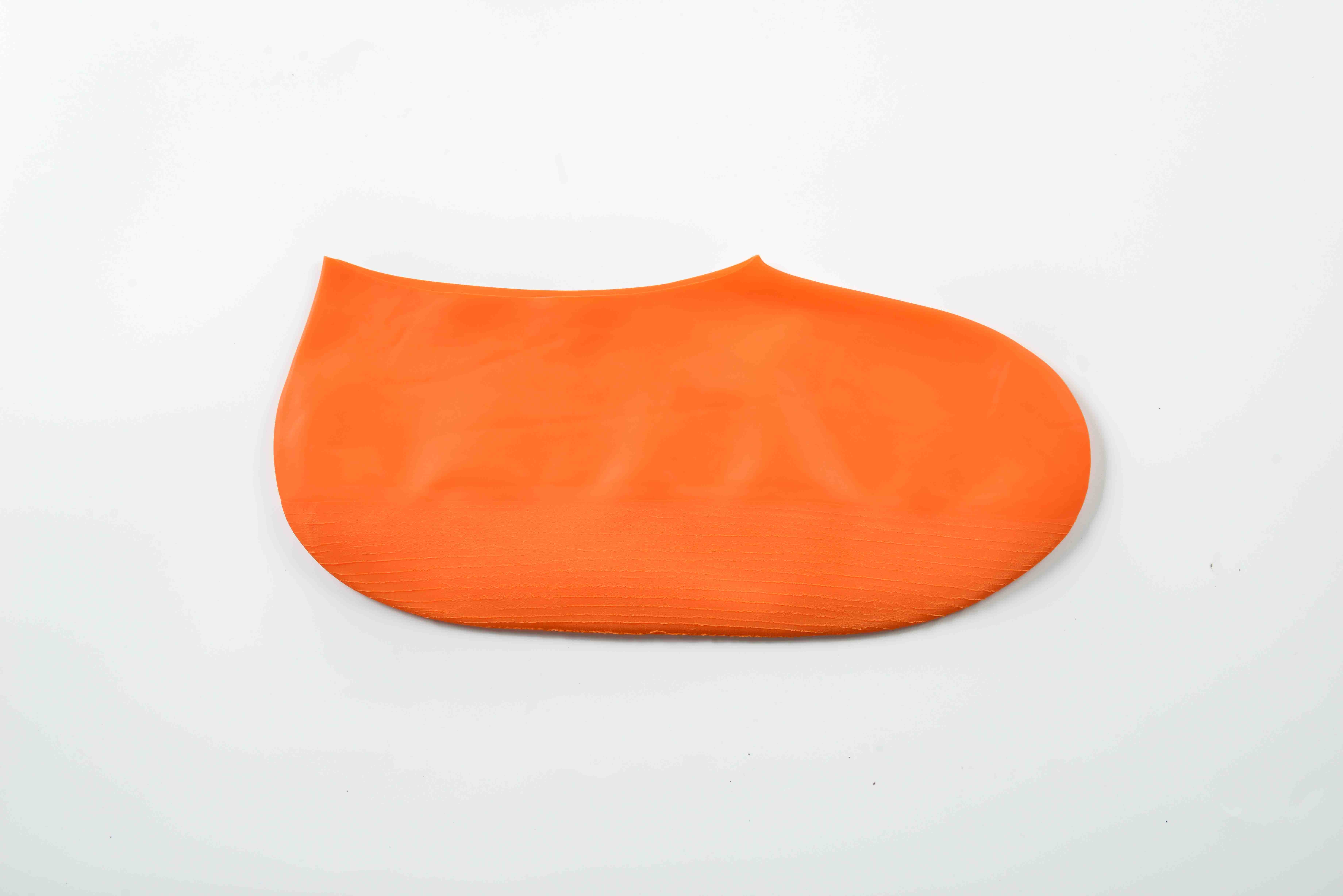
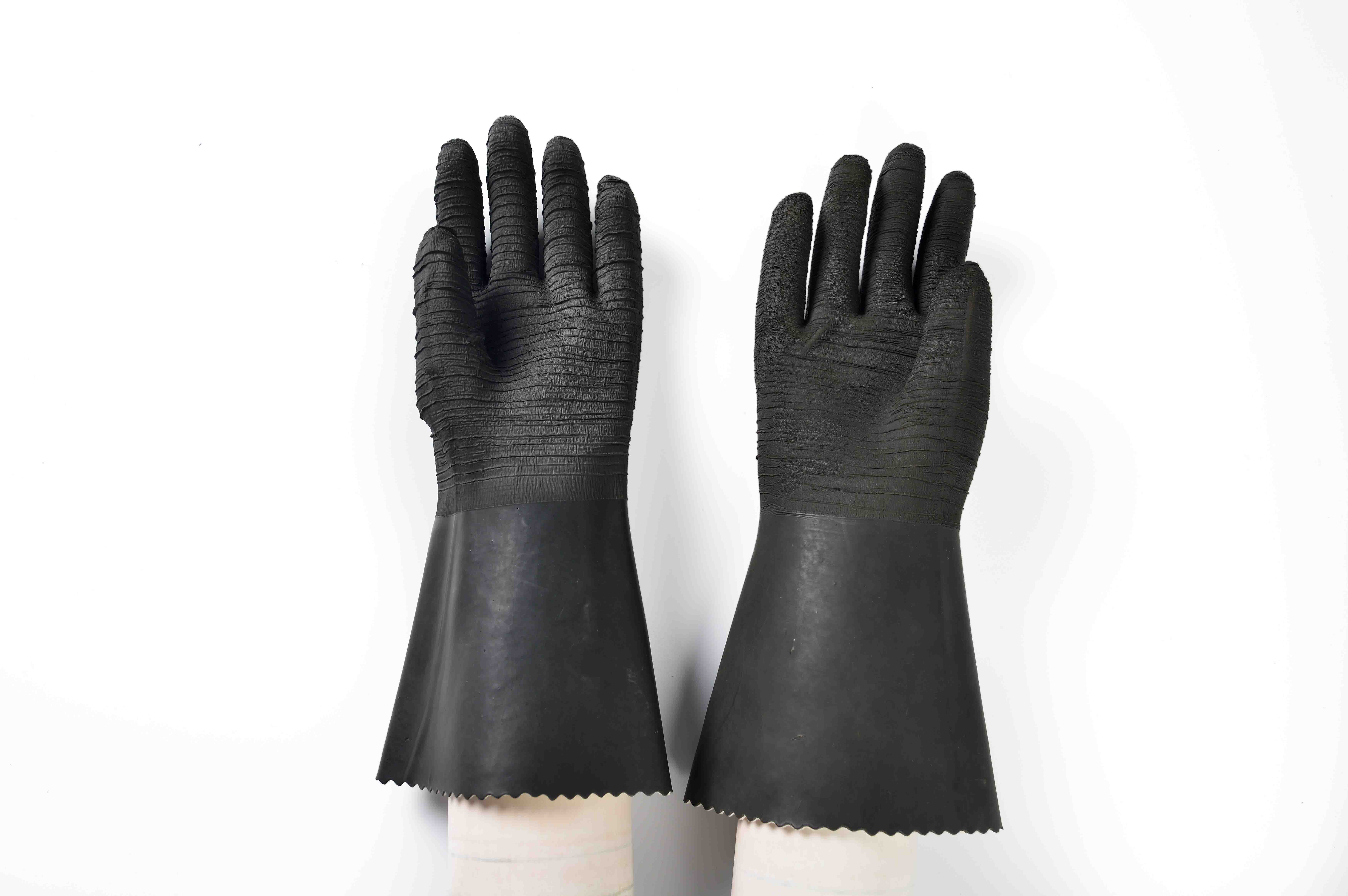
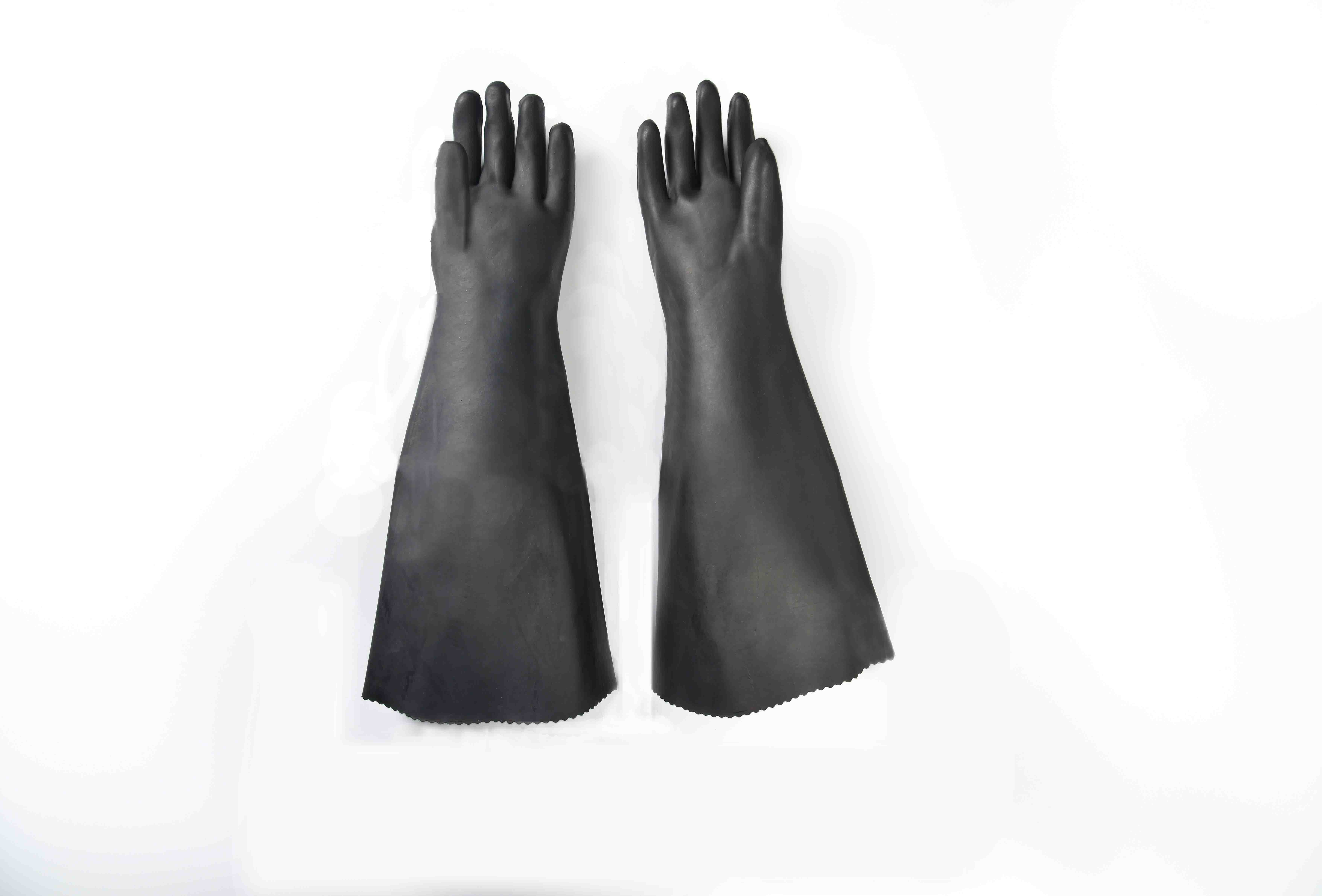
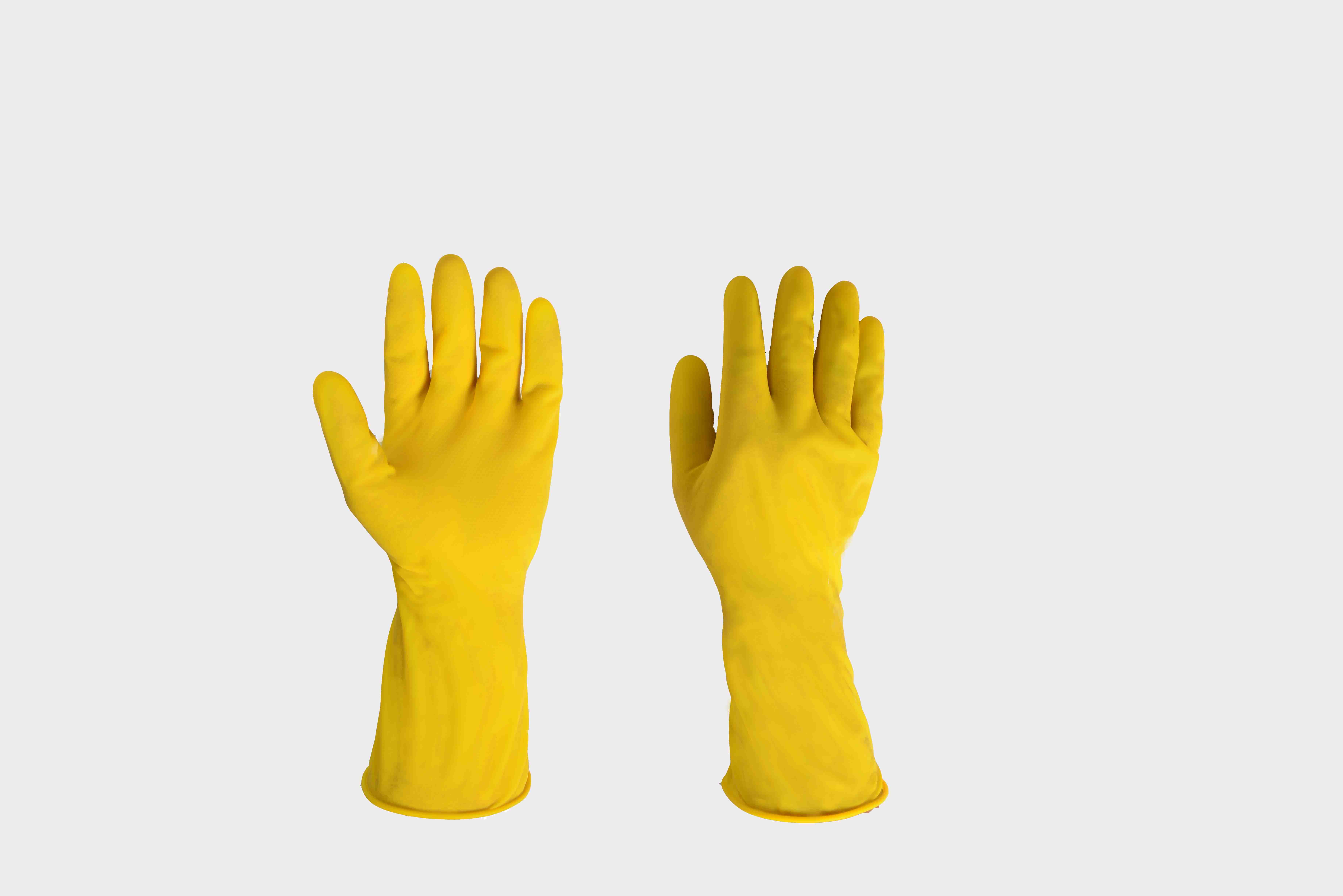
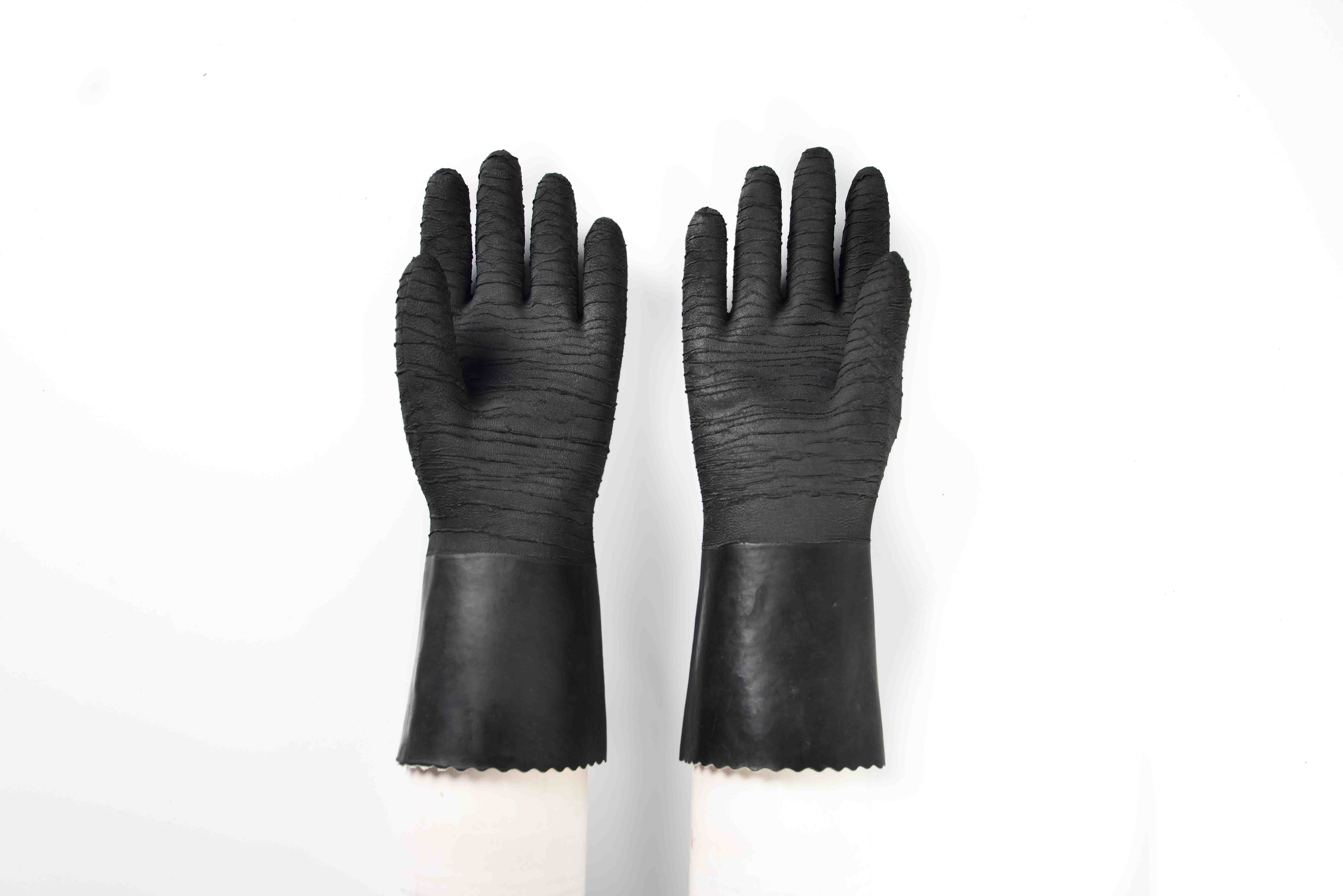
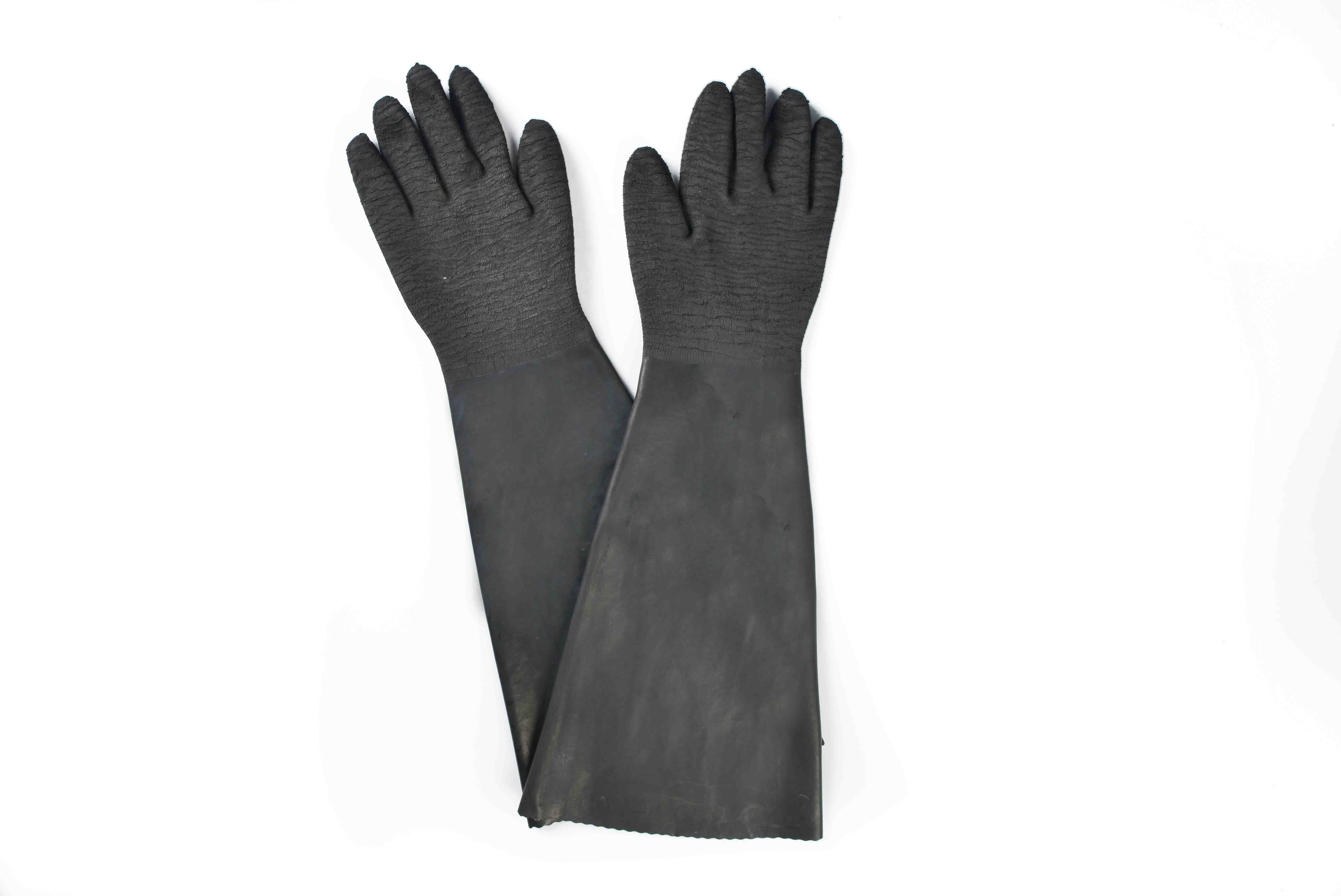
13 Years Manufacturer Rubber shoe cover Nepal Factory
Short Description:
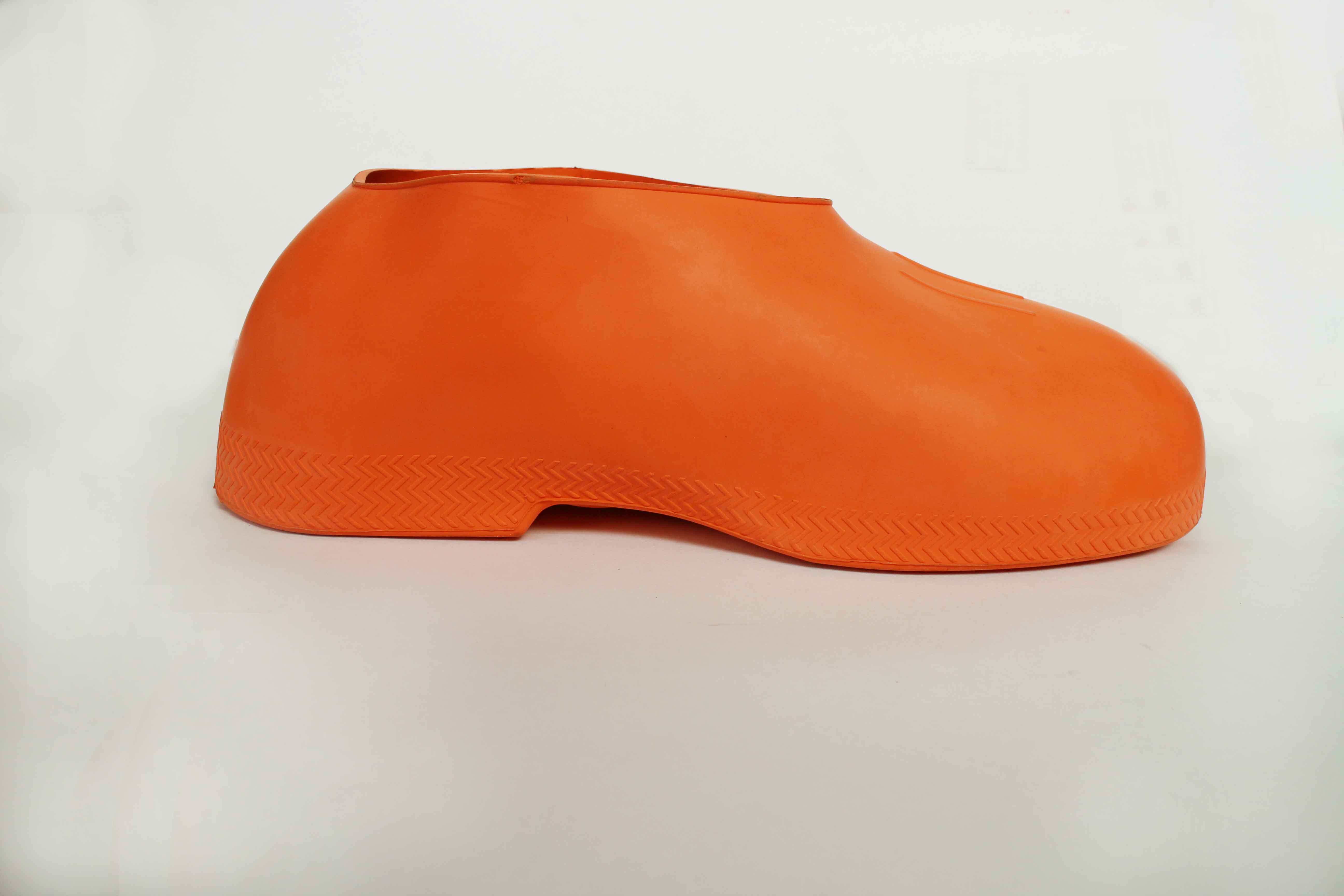
Rubber shoe cover, three dimensional, textured sole for slip resistance, water proof, good resistance against acid and alkali, non-toxic, No stimulating smell. They can be widely used in industry. 4 sizes. Different colors are available. Package: 50 pairs/case.
Product Detail
FAQ
Product Tags
Our company promises all users of the first-class products and the most satisfying post-sale service. We warmly welcome our regular and new customers to join us for a better future. 13 Years Manufacturer Rubber shoe cover Nepal Factory, items won certifications with the regional and international primary authorities. For far more detailed information, please contact us!
Rubber shoe cover, three dimensional, textured sole for slip resistance, water proof, good resistance against acid and alkali, non-toxic, No stimulating smell. They can be widely used in industry. 4 sizes. Different colors are available. Package: 50 pairs/case.
FAQ Content
Brian Eslick from How to Automotive http://www.howtoautomotive.com/ reviews and recommend SemperForce black nitrile gloves by Sempermed. The gloves are best used in the automotive industry for working on cars and trucks. They protect you skin against harsh chemicals like gas and oils.
Affiliate link mentioned in the video for 1 Box of SemperForce Nitrile Black Gloves http://amzn.to/2gdxveD
Affiliate link mentioned in the video for 1 Case of SemperForce Nitrile Gloves http://amzn.to/2gdDJex
Website
For more videos, tips, and to purchase recommended tools and products visit my website at: http://www.howtoautomotive.com/
Stay connected at:
Email: howtoautomotive@gmail.com
Facebook: https://www.facebook.com/How-to-Autom…
Google+: https://plus.google.com/+HowtoAutomot…
LinkedIn: https://www.linkedin.com/in/brian-esl…
Disclaimer
Owing to factors beyond the control of How to Automotive/Brian Eslick, it cannot guarantee against unauthorized modification of this information, or improper use of this information. How to Automotive/Brian Eslick assumes no liability for property damage or injury incurred as a result of any information contained in this video. How to Automotive/Brian Eslick recommends safe practice when working with power tools, automotive lifts, lifting tools, jacks and jack stands, electrical equipment, blunt instruments, chemical lubricants, or any other tools or equipment seen or implied in this video. Because of factors beyond the control of How to Automotive/Brian Eslick, no information contained in this video shall express or imply warranty or guarantee of any particular result. Any injury, damage or loss that may result from improper use of these tools, equipment, or information contained in this video is the sole responsibility of the user and not How to Automotive/Brain Eslick.
Automobile Transportation playlist: https://www.youtube.com/playlist?list=PL_hX5wLdhf_Ko5IvhQnWzOIJg_yfo2gGR
more at http://auto-parts.quickfound.net/
“Tires – Some sensational footage of driving and accidents – Animated titles.” Produced by Jam Handy.
Reupload of a previously uploaded film with improved video & sound.
Public domain film from the Library of Congress Prelinger Archives, slightly cropped to remove uneven edges, with the aspect ratio corrected, and one-pass brightness-contrast-color correction & mild video noise reduction applied.
The film was silent. I have added Franz Liszt’s “Reminiscences de Don Juan” (Fantasia on Mozart’s Don Giovanni) (1841) MIDI classical piano music produced by Bernd Krueger, from http://www.piano-midi.de licensed under the cc-by-sa Germany License: http://creativecommons.org/licenses/by-sa/3.0/de/deed.en
http://creativecommons.org/licenses/by-sa/3.0/
http://en.wikipedia.org/wiki/United_States_Rubber_Company
The United States Rubber Company was founded in Naugatuck, Connecticut in 1892. It was one of the original 12 stocks in the Dow Jones Industrial Average, and became Uniroyal Inc. in 1961. In 1990, Uniroyal was acquired by France-based tire maker Michelin.
One of Uniroyal’s best known products is the Tiger Paw tire introduced in the 1960s and included as original equipment for that decade’s muscle cars such as the Pontiac GTO…
By 1892, there were many rubber manufacturing companies in Naugatuck, Connecticut, as well as elsewhere in Connecticut. Nine companies consolidated their operations in Naugatuck to become the United States Rubber Company. It should be noted that one of the nine, Goodyear’s India Rubber Glove Mfg. Co. (named Litchfield Rubber Co. until 1847) — which manufactured rubber gloves for telegraph linemen — was the only company in which Charles Goodyear, inventor of the rubber vulcanization process, is known to have owned stock.
From 1892 to 1913, the rubber footwear divisions of U.S. Rubber manufactured their products under 30 different brand names, including the Wales-Goodyear Shoe Co. The company consolidated these footwear brands under one name, Keds, in 1916, and were mass-marketed as the first flexible rubber-sole with canvas-top “sneakers” in 1917.
On May 26, 1896 Charles Dow created the Dow Industrial average of twelve industrial manufacturing stocks, which included among them U.S. Rubber Company. When the average expanded to a list of 20 stocks in 1916, U.S. Rubber remained, however the listing expanded to 30 stocks in 1928 and U.S. Rubber was dropped.
In an effort to increase its share of the automobile tire market in 1931, U.S. Rubber Company bought a substantial portion of the Gillette Safety Tire Company… The Gillette plant held large contracts with the General Motors Corporation and with the addition of U.S. Rubber products, became one of the world’s largest supplier of original equipment tires. U.S. Rubber produced tires under the Gillete, Ward, Atlas, U.S. Rubber and U.S. Royal brands.
In 1940, U.S. Rubber purchased the remainder of the Gillette Safety Tire Company, and began to expand and modernize the Eau Claire factory, greatly increasing production. During World War II, U.S. Rubber factories were devoted to production of war goods, and produced military truck and airplane tires, as well as the canvas-top, rubber-soled Jungle boot…
In late 1943, U.S. Rubber engineer Dr. Louis Marick developed a propeller de-icing system in which a rubber boot was fitted onto the leading edge of a propeller. The boot contained wires that conducted electricity to heat the edge and break-up ice…
In 1961, the company became Uniroyal Inc. The Uniroyal name was applied to all its operating components and products by 1967 creating a unified brand…
In 1985, Uniroyal was taken private by its management and the New York investment firm of Clayton & Dubilier to prevent a hostile takeover by financier Carl C. Icahn. At the time, Uniroyal was the fifth-largest tire company in the country. To help pay the nearly $1 billion in debt incurred in the leveraged buyout, the company sold its Uniroyal’s Chemical subsidiary to Avery Inc… for $760 million in May 1986.
The remaining tire operation was merged with that of B.F. Goodrich Company (NYSE: GR), a S&P 500-listed tire and rubber fabricator that made high-performance replacement tires. The joint venture partnership became the Uniroyal Goodrich Tire Company…
…in 1988, Michelin Group, a subsidiary of the French tire company Michelin et Cie (Euronext: ML) proposed to acquire the Uniroyal Goodrich Tire Company, and began acquiring a stake…
By May 1990, Michelin Group completed its purchase of Uniroyal Goodrich Tire Company from Clayton & Dubilier of New York. The deal was valued at about US$1.5 billion…