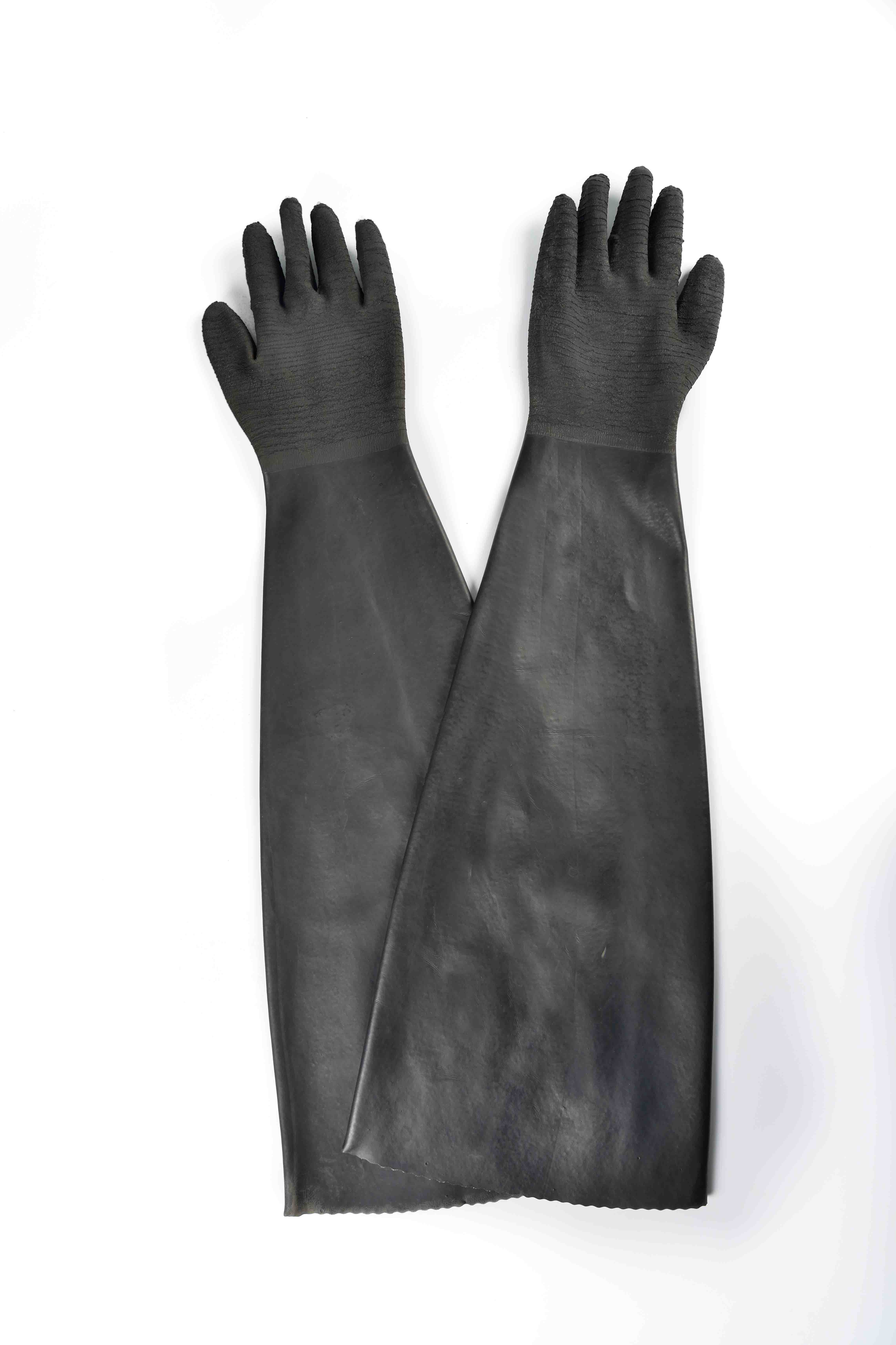
China Cheap price 26″ Industrial rubber glove-Granule finish in Ethiopia
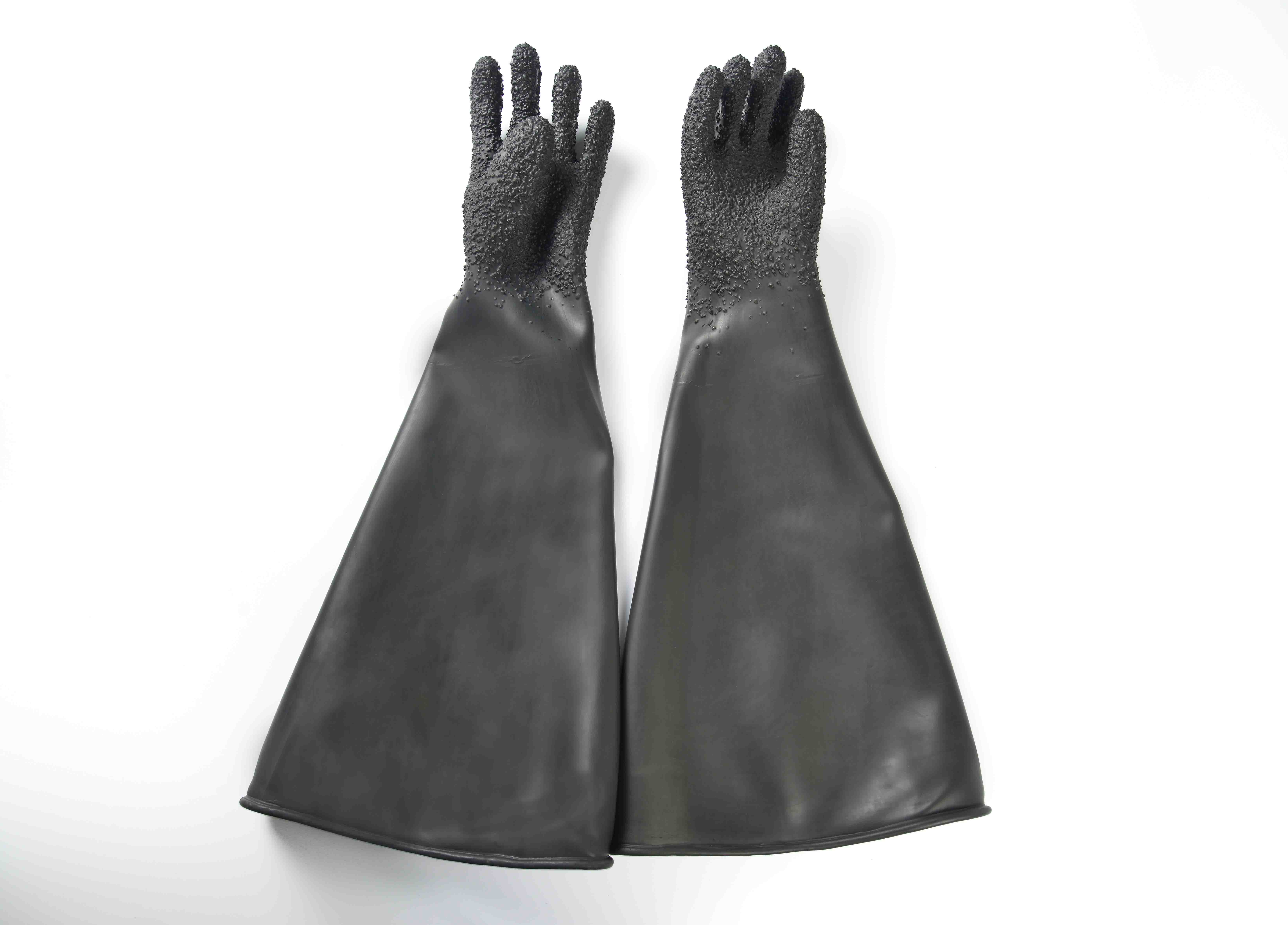
Short Description:
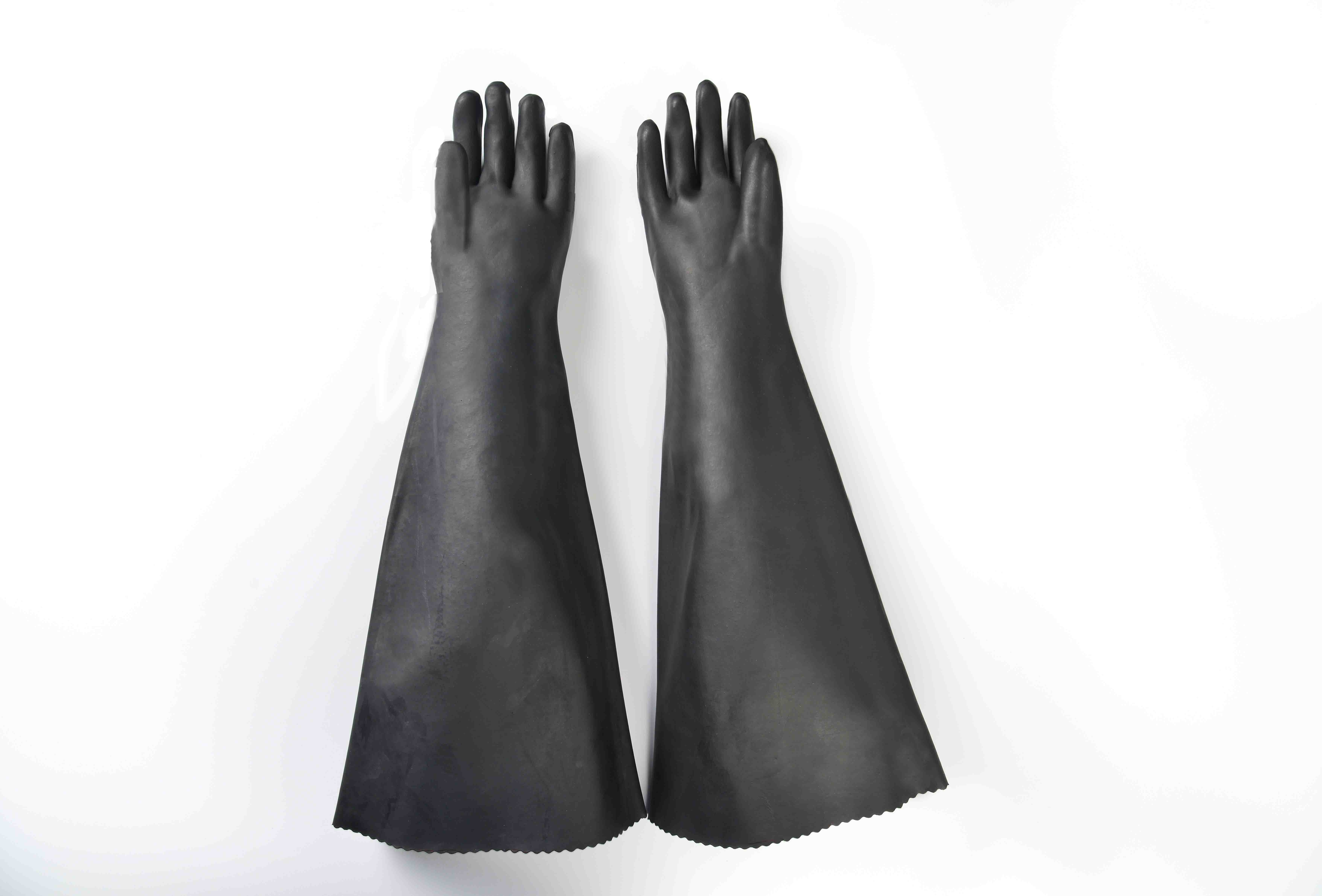
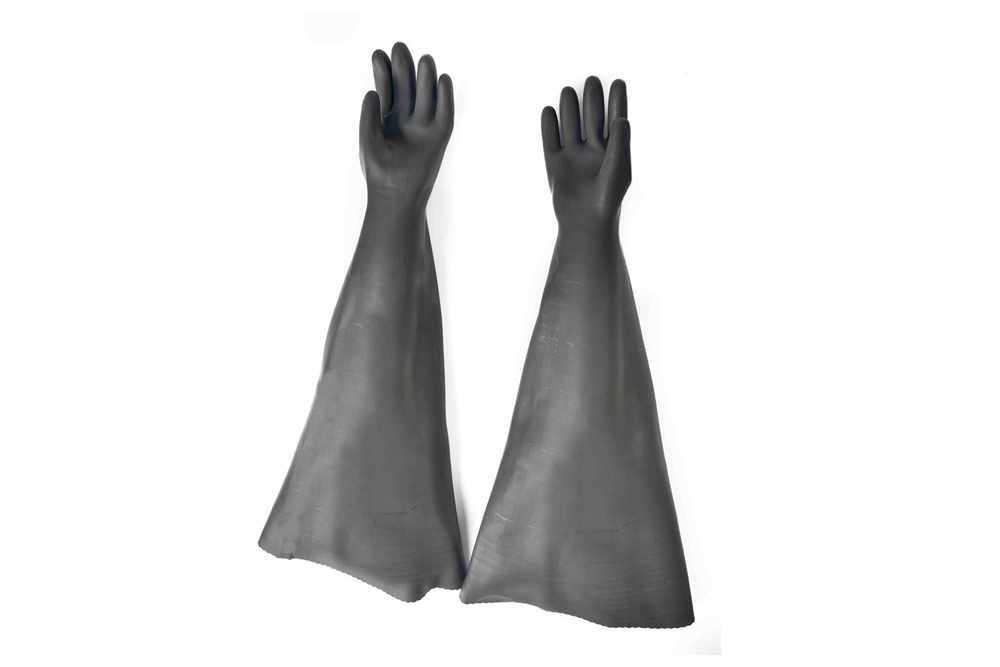
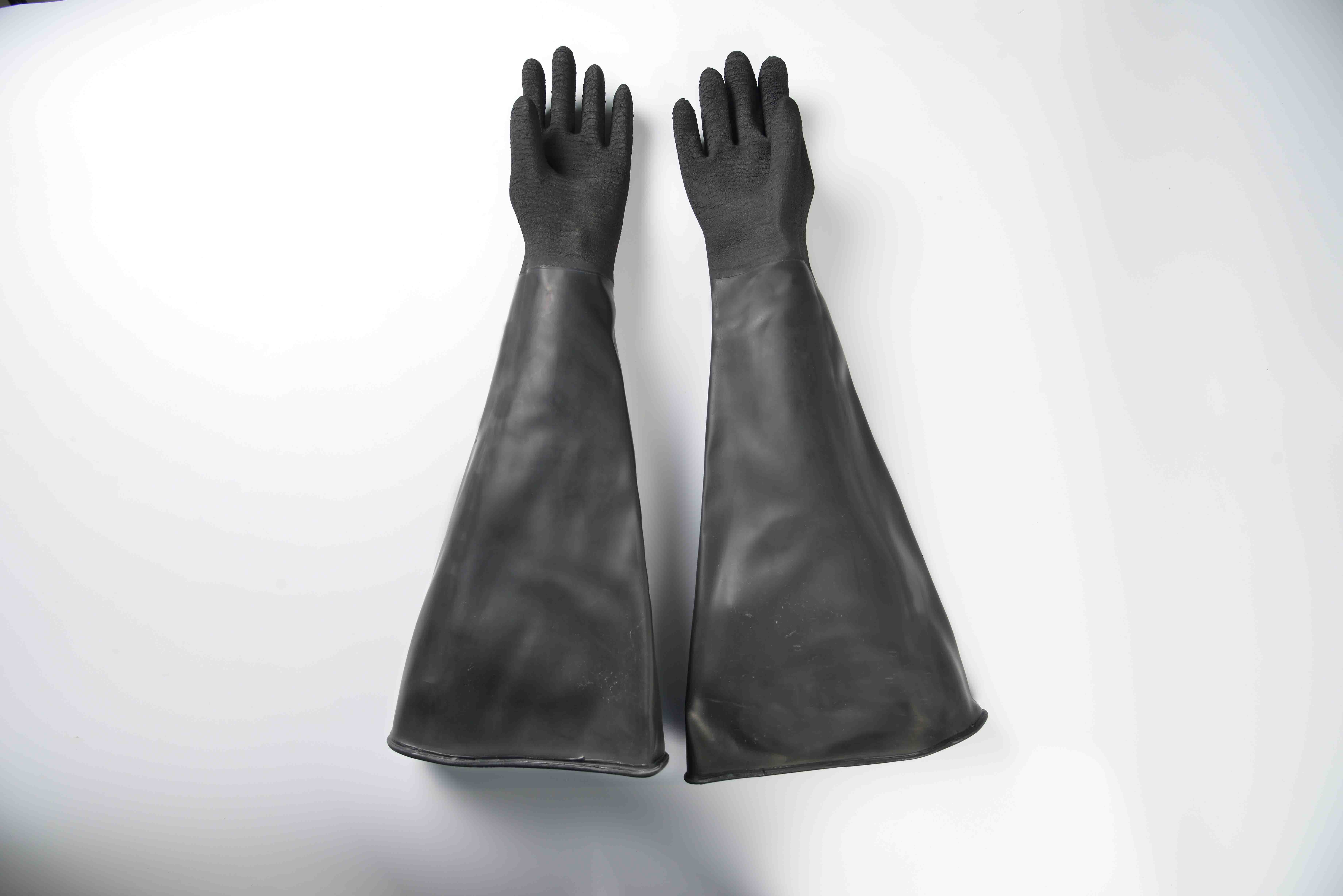
26″ length(65-67cm), black, granule finish, seamless, no cotton lining, left/right hand, 800g/pair, cuff perimeter: 61cm, double layer thickness:2.2mm. 50 pairs/case, carton size: 74*36*44cm. Net weight: 24kg/case, gross weight: 26kg/case. It can be suitable used sand blasting machine.
Product Detail
FAQ
Product Tags
We always think and practice corresponding to the change of circumstance, and grow up. We aim at the achievement of a richer mind and body and the living , and contribute to the society. China Cheap price 26″ Industrial rubber glove-Granule finish in Ethiopia, Please send us your specifications and requirements, or feel free to contact us with any questions or inquiries that you may have.
26″ length(65-67cm), black, granule finish, seamless, no cotton lining, left/right hand, 800g/pair, cuff perimeter: 61cm, double layer thickness:2.2mm. 50 pairs/case, carton size: 74*36*44cm. Net weight: 24kg/case, gross weight: 26kg/case. It can be suitable used sand blasting machine.
FAQ Content
1991 Tornado Red Vanagon Outside views and starting trouble.
Last week I happened upon videos about kitchen lithography. It got me very excited! I couldn’t wait to try the process out for myself. But, what occurred to me was that it was the acidic properties of cola that was responsible for the etch. This led me to believe that white vinegar might be a more practical alternative to etch with. Practical in the sense that it’s just as acidic as cola, can be re-used many times, thereby becoming more cost effective. As you can see by the results on the video, the process works equally as well using white vinegar as the etch instead of cola. Here is a list of the materials you’ll need to do the process yourself:
1. Heavy Duty aluminum foil (Use dull side to work on)
2. Gloves
3. Litho crayon
4. Piece of plexi-glass
5. Vegetable oil
6. Paper towels
7. Plastic tub
8. White vinegar
9. Water
10. Etching or relief ink
11. Brayer
12. Sponges
13. Trays for water
14. Paper
15. Spoon or etching press
I plan to try more experiments using white vinegar in the future. Will post more results for you to see.
P.S. I had two semesters of lithography at community college so I know what I’m talking about.  (ha ha!)