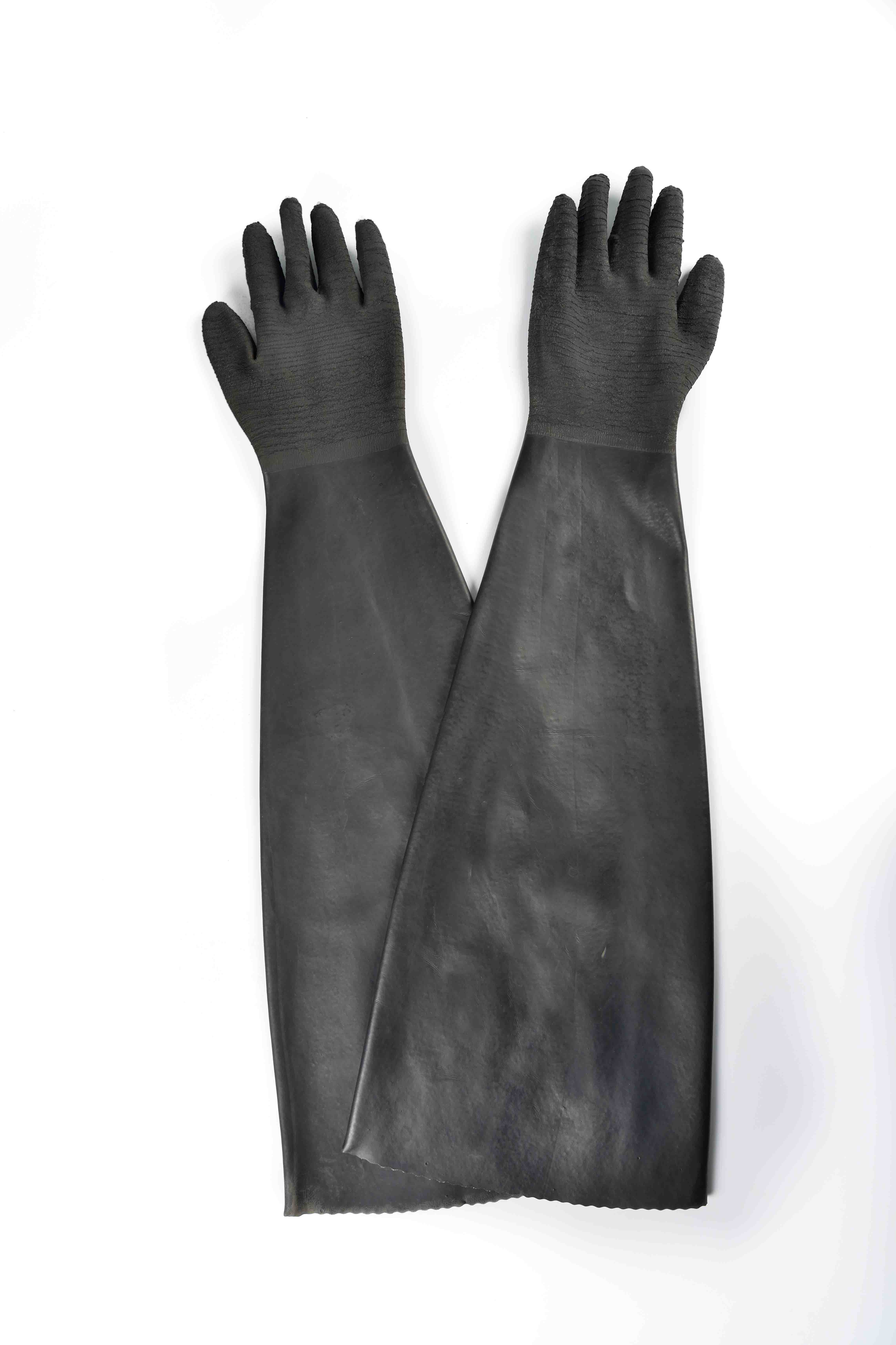
China wholesale 32″ rubber glove with cotton linning-rough finish sale to Mexico
Short Description:
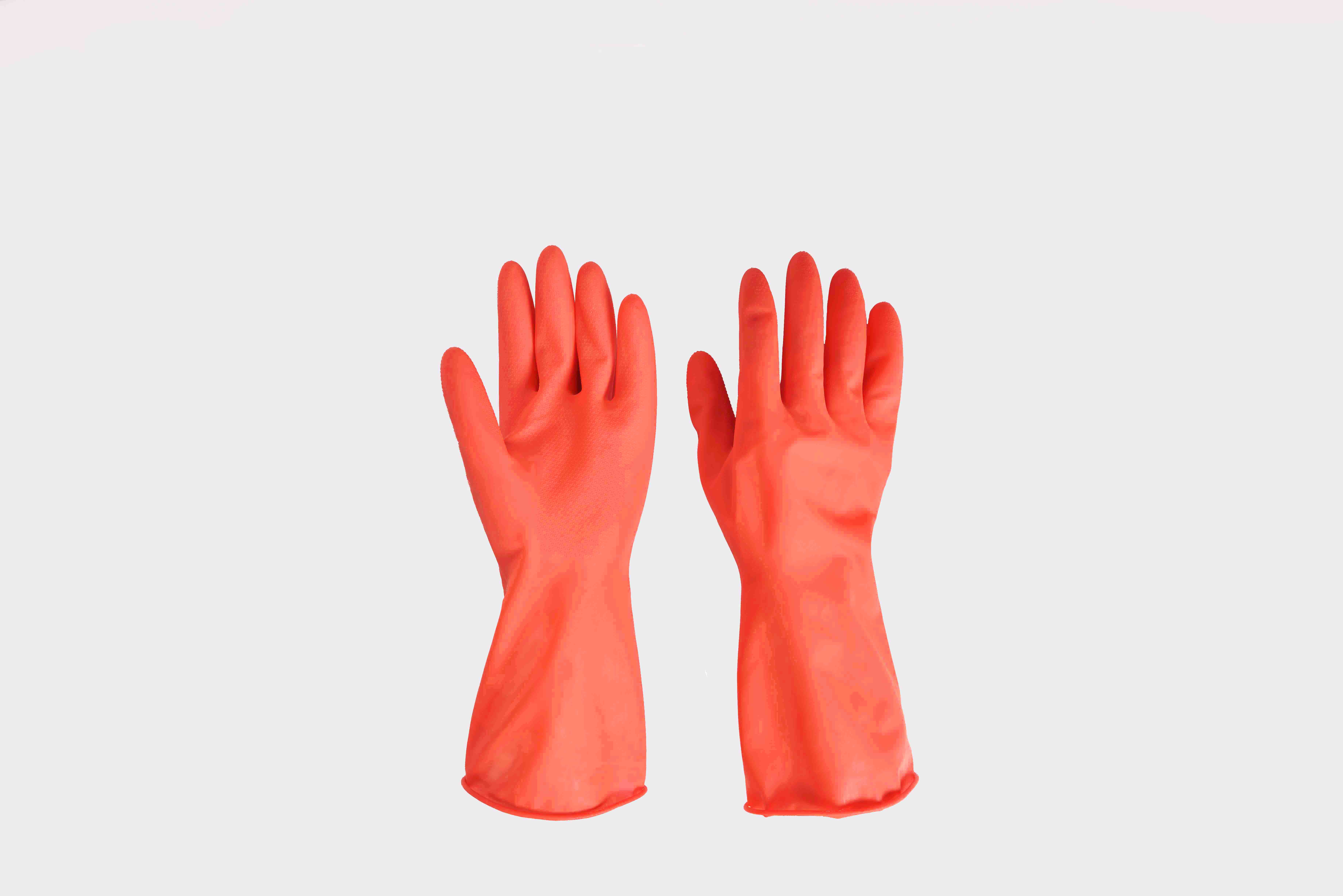
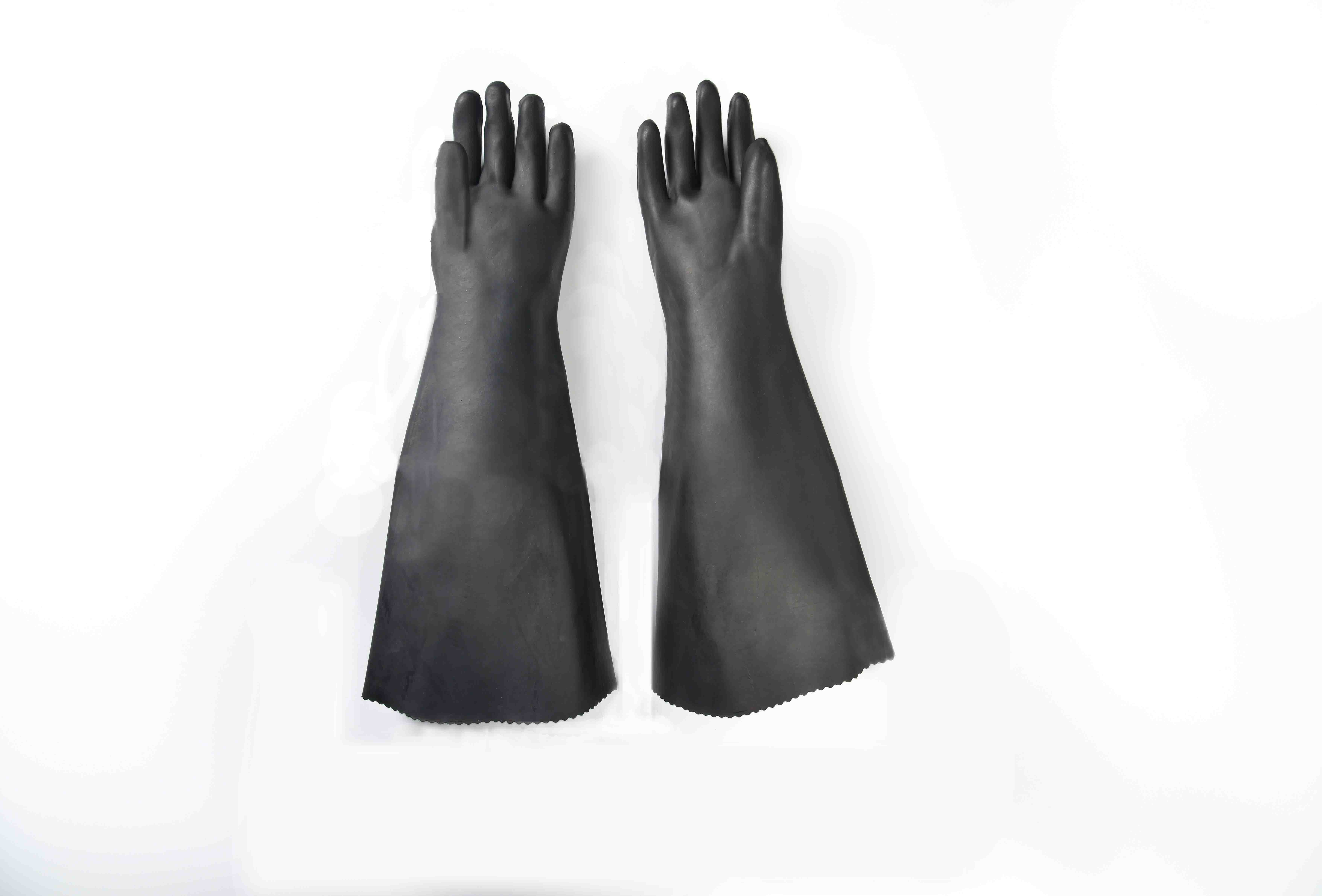
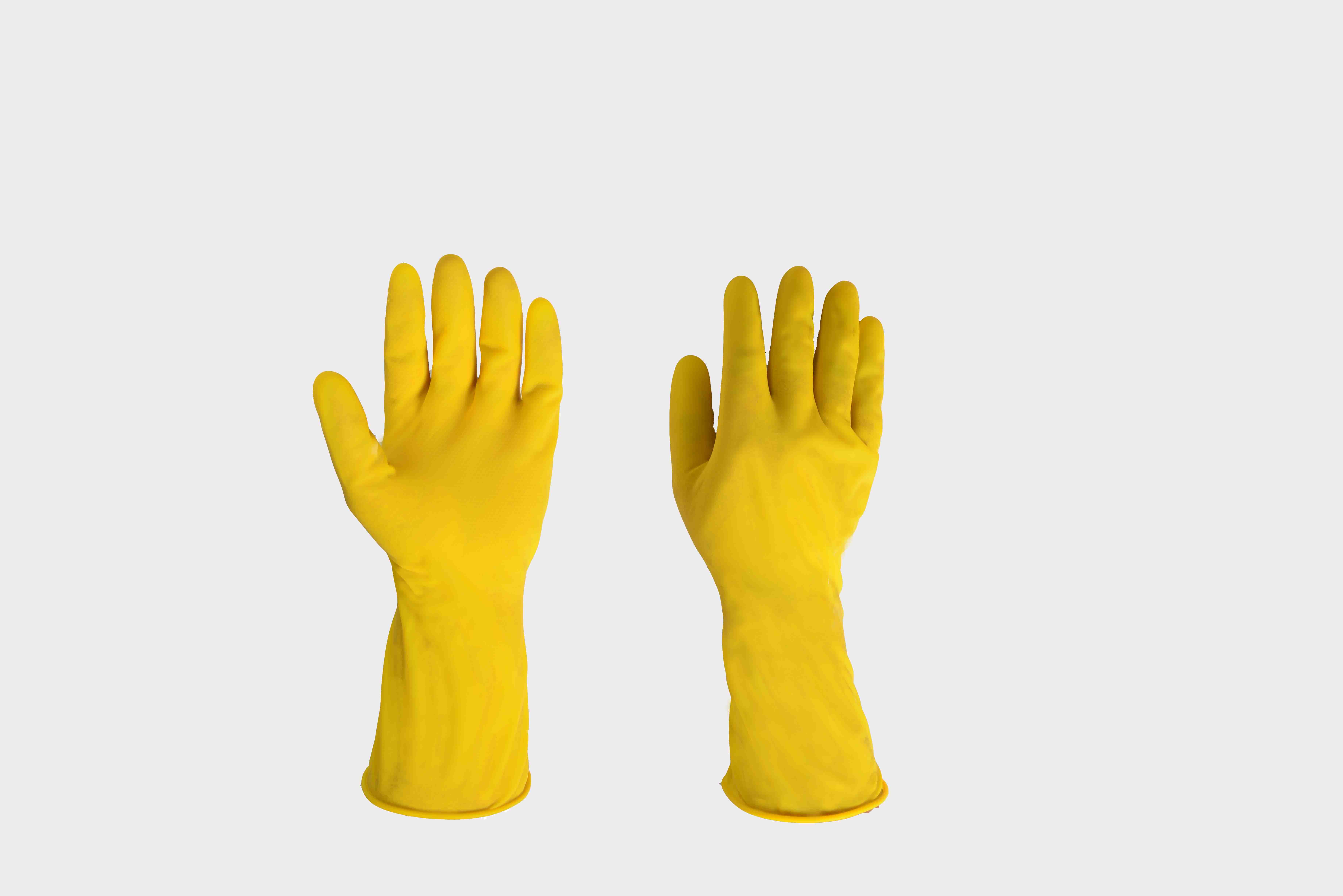
Heavy duty rubber glove, made of 100% natural latex. 32″ length(82cm), rough finish, seamless, cotton lining, ambidextrous style (fits either hand), 800g/pair, 50pairs/case. Using for Isolater, dry box, blast cabinet, etc.
Product Detail
FAQ
Product Tags
Our company puts emphasis on the management, the introduction of talented personnel, and the construction of staff building, trying hard to improve the quality and liability consciousness of staff members. Our company successfully attained IS9001 Certification and European CE Certification China wholesale 32″ rubber glove with cotton linning-rough finish sale to Mexico, Let's cooperate hand in hand to jointly make a beautiful future. We sincerely welcome you to visit our company or contact us for cooperation!
Heavy duty rubber glove, made of 100% natural latex.
32″ length(82cm), rough finish, seamless, cotton lining, ambidextrous style (fits either hand), 800g/pair, 50pairs/case. Using for Isolater, dry box, blast cabinet, etc.
FAQ Content
Two of my close friends have their birthdays in August. They are kind of frisky, and will get a kick out of these cards.
The old lady with the bootie is from AI Art impressions and the zombies are from Art Gone Wild. I decided to color the zombies and use the sentiment from the AI set for both cards. I used wobbles to make the lady’s face wobble and the other wobble I used on the cut out of the lady zombie.
I colored the zombies with Touch 5 markers and Rich wrote the numbers on the screen. I used gray tones to color the zombies. I like to use the lightest color first for the whole image, then go over the highlights with a darker tone, then go back over everything with the lightest tone again.
I used a peg stamp small crab to stamp on the rubber duckie. You can find them at www.pegstamps.com and Lindsay the frugal crafter almost always has a discount code for them on her latest peg stamp video.
I had a stamp from Seaside Stampin Inc that had some sand on it and I inked the stamp where the sand was, and used baked brown sugar ink to stamp it with. I’m sorry I was out of frame for the sand and part of the zombie coloring.
I used the 1″ chip brush to color in the background with Cool Caribbean ink. I used Summer Sun to stamp a sun from the peg stamps and stamped it in the corner. I used another chip brush to color in the sandy area with more crumb cake stampin’ up ink.
I cut one of the lady zombies and used a black Sharpie to outline the lady so there is no white showing. I tried to cut one of the wobbles down so it would work under her head, but it doesn’t really wobble in the end. I had to add foam tape behind the rest of the lady zombie, so she didn’t tear at her neck.
I found nail art jewelry at the Dollar Tree and used it as embellishments on both cards.
Here is my contact information:
Email: saundralparker@yahoo.com
Blog: craftingforalmosteveryone.com
Instagram: crafting for almost everyone
Pinterest: saundralparker
Google+: crafting for almost everyone
Facebook: crafting for almost everyone
https://www.iitutor.com
General safety precautions when using sulfuric acid
Always wear safety goggles
• Wear protective gloves and a laboratory coat
• Work near a ready supply of running water
• Have a supply of sodium carbonate or sodium bicarbonate at hand to neutralise any spills
• For regular use store the acid in glass bottles no larger than one litre
• Try to avoid dribbling acid down the outside of the bottle and if you do, wipe it off carefully with wet tissue
• Always place the storage bottle in a drip tray to ensure that any drips do not contact the bench or shelf
• When diluting concentrated acid, always add the acid to the water and do slowly
How can it be safely stored?
• train fully the person involved in the storage of sulfuric acid
• avoid storing the acid with water, chlorates, chromates, carbides, nitrates and powdered metals
• store in a cool, dry, well-ventilated area
• store away from sunlight and open flames
• refrain from storing in metal drums as hydrogen gas may result
• use dry chemical or carbon dioxide extinguishers when dealing with fire caused by sulfuric acid
Transport
The concentration of commercially available sulfuric acid is 98% and sulfuric acid cannot ionize. Therefore it does not attack iron and steel and can safely be stored and transported in steel containers or in steel tankers. Steel has the advantage of greater strength when compared with glass and plastic containers. However, diluted sulfuric acid contains hydrogen ions vigorously attacks metals such as iron and steel. Hence dilute acid must be stored in glass or plastic containers that make it more difficult to transport. When storing and transporting the acid in steel containers, care must be taken to avoid contamination with water, because that could set off a vigorous reaction between the acid and the container.
First-hand investigation—Reactions with sulfuric acid
Safety issues
Always wear safety glasses to avoid eye damage. If dilute sulfuric acid is spilt on the skin then wash it off with water. Concentrated sulfuric acid should only be used by the teacher. It can cause severe burns and generates considerable heat when it is added to water. Sulfuric acid should always be diluted by adding small volumes of the acid to large volumes of water with stirring.
Reactions to investigate
Oxidising agent
1 Test small samples of metals (e.g. Mg, Zn, Fe, Sn, Cu) with 2 mL volumes of cold and warm 2 mol L-1 H2SO4. Record your observations and write balanced equations for any reactions.
2 Teacher demonstration: the teacher can heat a granule of tin in a small volume of concentrated sulfuric acid using a hot water bath in a fume cupboard. To check whether sulfur dioxide is released, place a strip of filter paper soaked in acidified potassium dichromate at the mouth of the test tube. It will turn green if sulfur dioxide is present.
Dehydrating agent
Teacher demonstration: a spoon of sugar is placed in a large test tube. 1–2 mL of concentrated sulfuric acid is added. The tube is placed in a test tube rack in the fume cupboard. The sugar turns brown, then black as carbon forms. The heat released causes the water and acid to begin to vaporise.