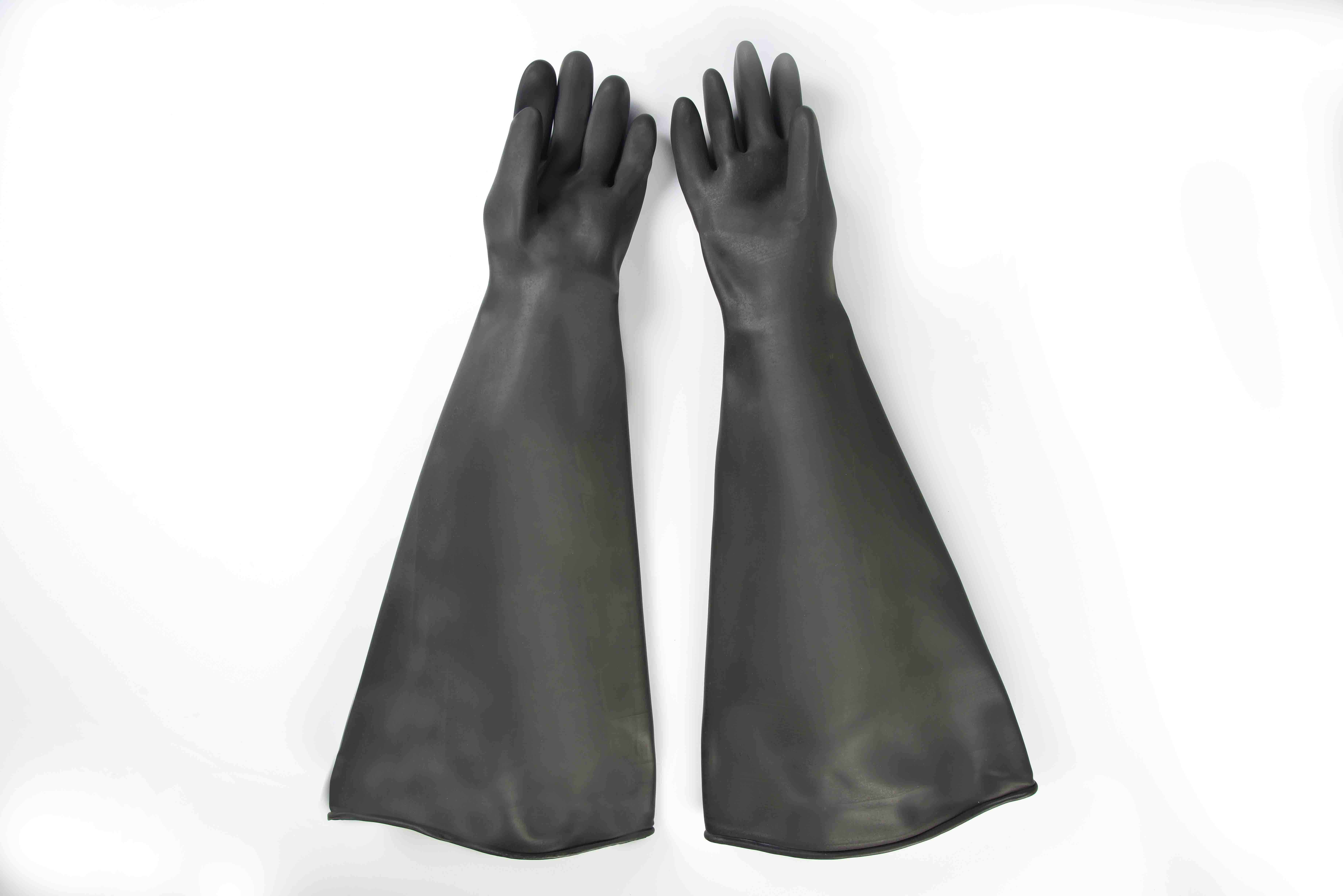
Chinese wholesale 24″ rubber glove with cotton linning-smooth finish Zurich Factory
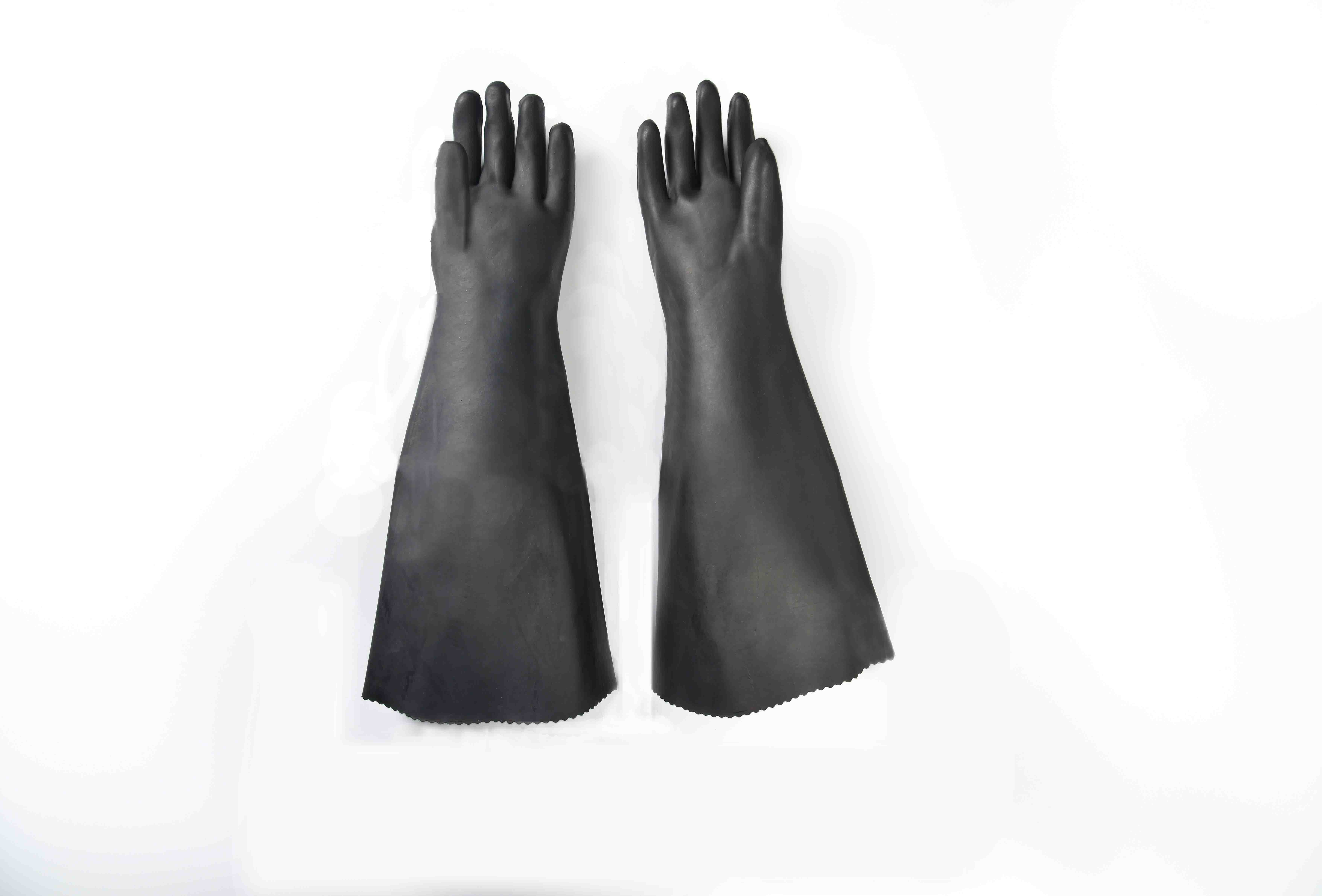
Short Description:
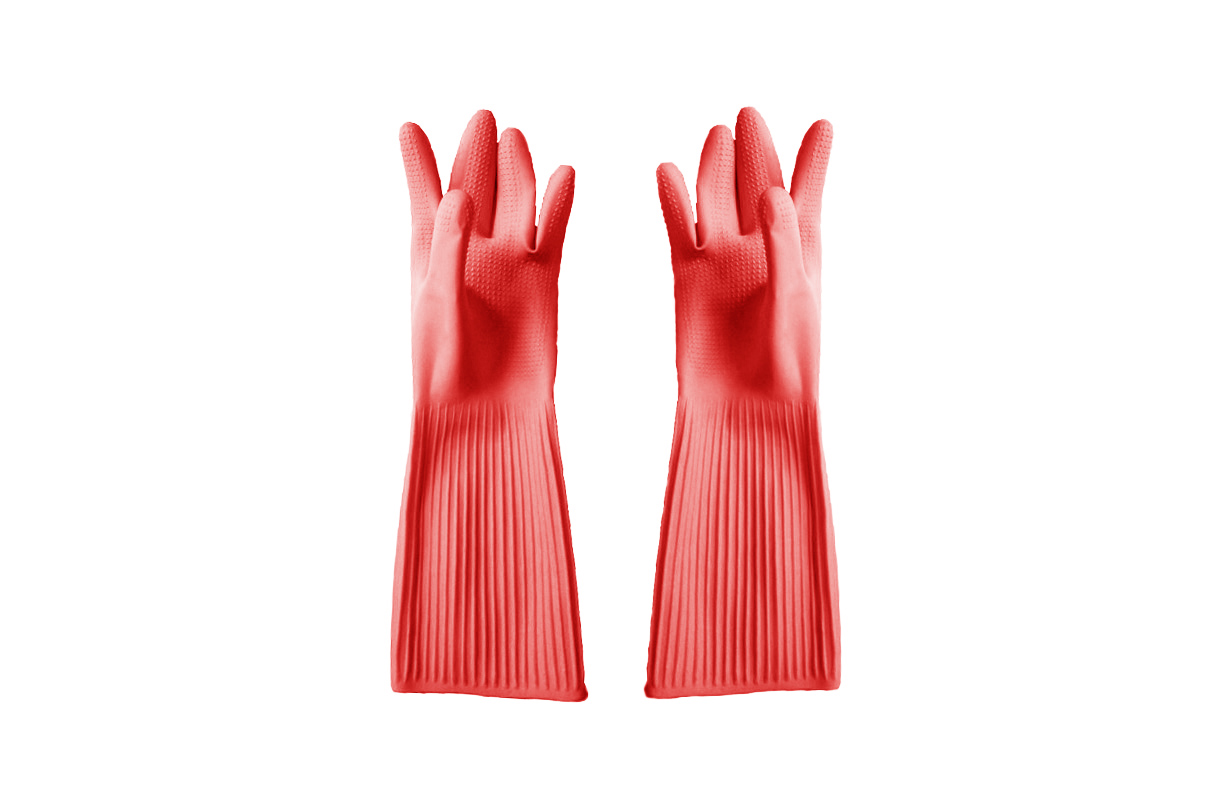
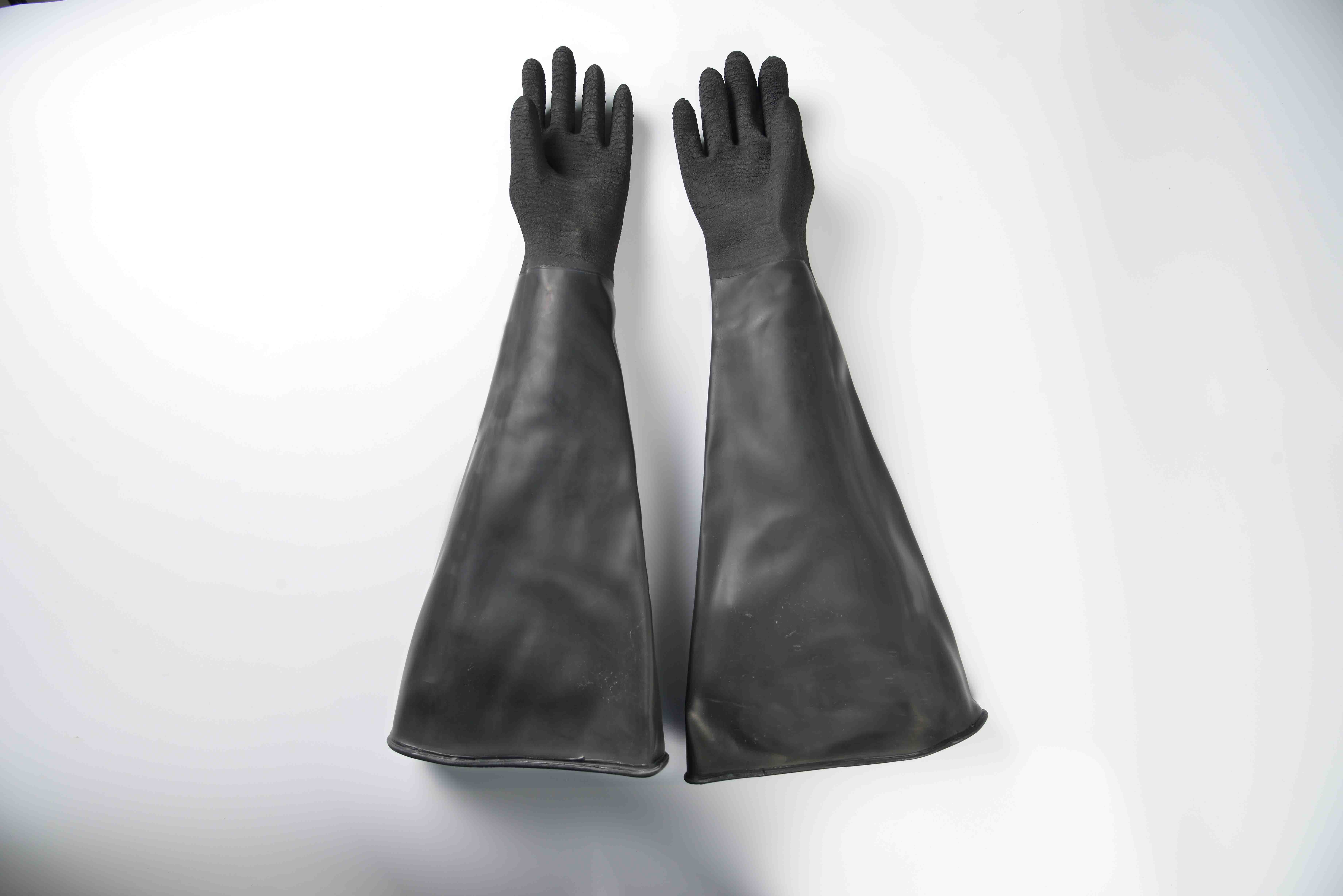
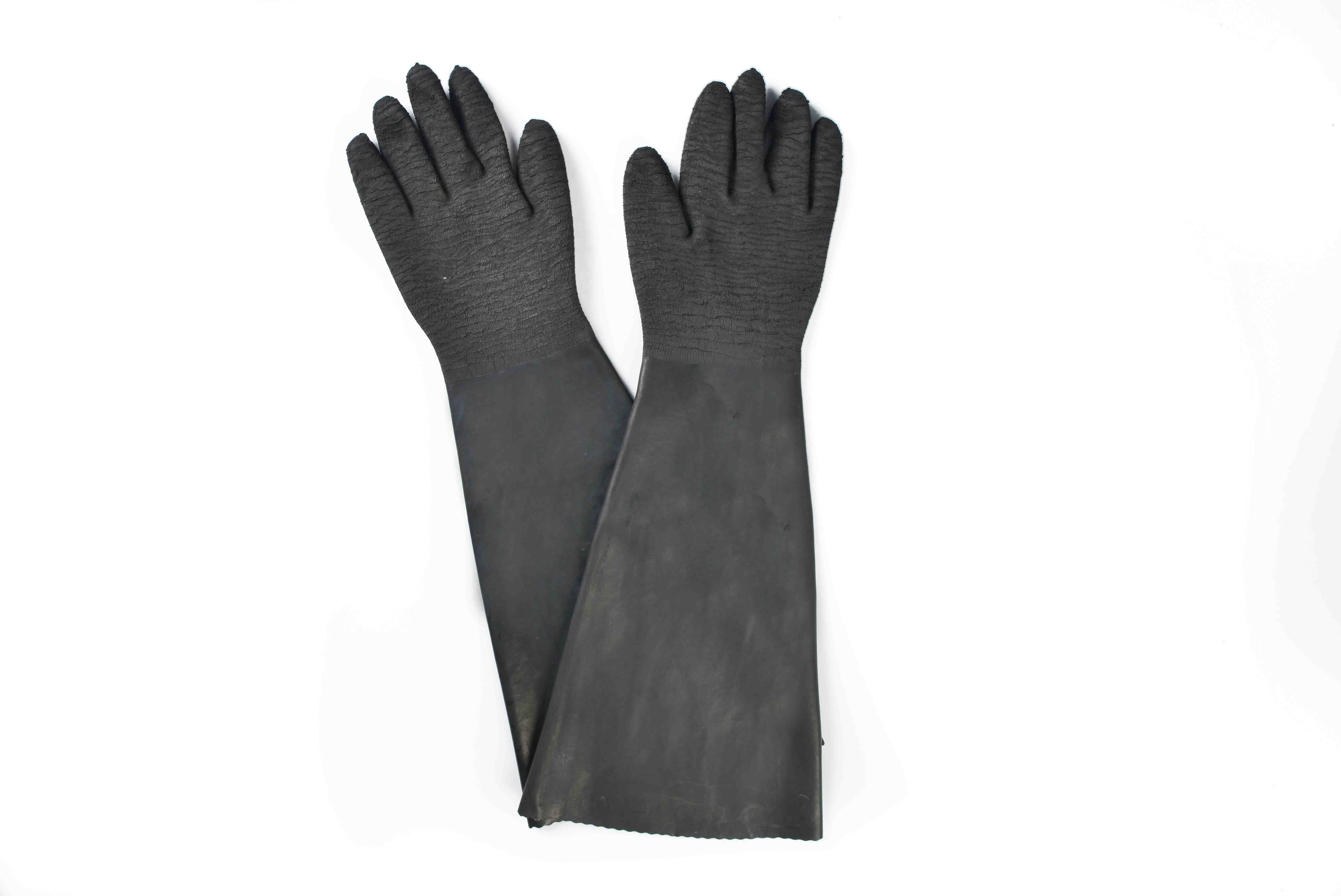
Heavy duty rubber glove, made of 100% natural latex. 24″ length(62cm), smooth finish, seamless, cotton lining,left/right hand, 570g/pair. 50pairs/case. Water proof, anti acid and alkali. Using for Isolater, dry box, blast cabinet, glove box, etc.
Product Detail
FAQ
Product Tags
The customer satisfaction is our primary target. We uphold a consistent level of professionalism, quality, credibility and service.
Chinese wholesale 24″ rubber glove with cotton linning-smooth finish Zurich Factory, Our aim is to help customers realize their goals. We are making great efforts to achieve this win-win situation and sincerely welcome you to join us
Heavy duty rubber glove, made of 100% natural latex.
24″ length(62cm), smooth finish, seamless, cotton lining,left/right hand, 570g/pair. 50pairs/case. Water proof, anti acid and alkali.
Using for Isolater, dry box, blast cabinet, glove box, etc.
FAQ Content
The Contour Cut laser cutting system by CadCam Technology has been specially developed to laser cut fabric panels that have been sublimated onto a sportswear fabric so that they are ready to be put together to create a garment.
Dye sublimation printing is a rapidly growing industry and CadCam Technology have developed a laser cutting system that can cut at incredibly high speeds which easily copes with the demand of the industry.
As you can see in this video, Contour Cut cuts printed fabric with incredible accuracy even if the fabric is distorted or if the design is larger the cutting bed.
Contour Cut has been specially designed and developed to automate the cutting of dye sublimation printed fabrics and materials.
The camera system picks up printed registration marks to map the cutting area and automatically compensates for any fabric distortion ensuring accurate cuts at high speed.
Visit: http://www.cct-uk.com/laser_cutting_printed_fabrics.htm
or email: info@cct-uk.com
———————————————————————————————–
About CadCam Technology Ltd’s laser cutting machines.
CadCam Technology Ltd design and manufacture state of the art laser cutting and laser engraving machines as well as develop bespoke embroidery & CAD software.
Our latest range of laser cutting machines are designed to be an efficient and productive asset to your business. We have combined over 20 years of experience with state of the art technology to give you the ultimate laser cutting solution.
Many industries are now finding that laser cutting technology is far superior to other cutting methods and our laser cutting machines have proved to be successful in all types of markets from automotive to textiles.
Our laser cutting machines demonstrate the precision to cut a wide variety of materials at speeds suitable for mass production.
The laser cutting machines that we produce are able to cut a wide range of materials:
- Plastics (including acrylic upto 25mm)
- Fabrics and textiles (Including nylon, suede, polyester, polyester cotton, linen, felt, lycra, chiffon, mohair, wool, silk, cotton, denim rayon and hemp)
- Technical textiles (Airbags, automotive, medical, military and sportswear materials)
- Woven labels
- Embroidered products (Appliques, badges)
- Leather (Natural and synthetic for automotive, fashion, shoes, bags and belts)
- Wood (Including balsa, birch plywood, laser ply, cork, MDF, veneer, veneered MDF, formica and engraving laminates)
- Paper and card
- Vinyl
- Foam
- Rubber
- Glass (engraving)
- Flooring (Linoleum, car mat and carpet tiles)
Since 1990 CadCam Technology Ltd have been manufacturing Laser cutting machines at our headquarters in Nottinghamshire, England.
Using only quality materials and the highest specification components, the machines that we produce provide years of efficient productivity and laser cutting of the highest quality.
All of our machines are designed and manufactured in the UK to the highest quality.
For more information please visit our website: http://www.cct-uk.com
Or email: info@cct-uk.com
“Natural rubber”, also called “India rubber” or “”caoutchouc”", as initially produced, consists of polymers of the organic compound isoprene, with minor impurities of other organic compounds plus water. Malaysia is a leading producer of rubber. Forms of polyisoprene that are used as natural rubbers are classified as elastomers. Natural rubber is used by many manufacturing companies for the production of rubber products. Currently, rubber is harvested mainly in the form of the latex from certain trees. The latex is a sticky, milky colloid drawn off by making incisions into the bark and collecting the fluid in vessels in a process called “tapping”. The latex then is refined into rubber ready for commercial processing. Natural rubber is used extensively in many applications and products, either alone or in combination with other materials. In most of its useful forms, it has a large stretch ratio and high resilience, and is extremely waterproof.
Compared to vulcanized rubber, uncured rubber has relatively few uses. It is used for cements; for adhesive, insulating, and friction tapes; and for crepe rubber used in insulating blankets and footwear. Vulcanized rubber, on the other hand, has numerous applications. Resistance to abrasion makes softer kinds of rubber valuable for the treads of vehicle tires and conveyor belts, and makes hard rubber valuable for pump housings and piping used in the handling of abrasive sludge.
The flexibility of rubber is often used in hose, tires, and rollers for a wide variety of devices ranging from domestic clothes wringers to printing presses; its elasticity makes it suitable for various kinds of shock absorbers and for specialized machinery mountings designed to reduce vibration. Being relatively impermeable to gases, rubber is useful in the manufacture of articles such as air hoses, balloons, balls, and cushions. The resistance of rubber to water and to the action of most fluid chemicals has led to its use in rainwear, diving gear, and chemical and medicinal tubing, and as a lining for storage tanks, processing equipment, and railroad tank cars. Because of their electrical resistance, soft rubber goods are used as insulation and for protective gloves, shoes, and blankets; hard rubber is used for articles such as telephone housings, parts for radio sets, meters, and other electrical instruments. The coefficient of friction of rubber, which is high on dry surfaces and low on wet surfaces, leads to the use of rubber both for power-transmission belting and for water-lubricated bearings in deep-well pumps.
Wiz Science™ is “the” learning channel for children and all ages.
SUBSCRIBE TODAY
Disclaimer: This video is for your information only. The author or publisher does not guarantee the accuracy of the content presented in this video. USE AT YOUR OWN RISK.
Background Music:
“The Place Inside” by Silent Partner (royalty-free) from YouTube Audio Library.
This video uses material/images from https://en.wikipedia.org/wiki/Natural+rubber, which is released under Creative Commons Attribution-Share-Alike License 3.0 http://creativecommons.org/licenses/by-sa/3.0/ . This video is licensed under Creative Commons Attribution-Share-Alike License 3.0 http://creativecommons.org/licenses/by-sa/3.0/ . To reuse/adapt the content in your own work, you must comply with the license terms.