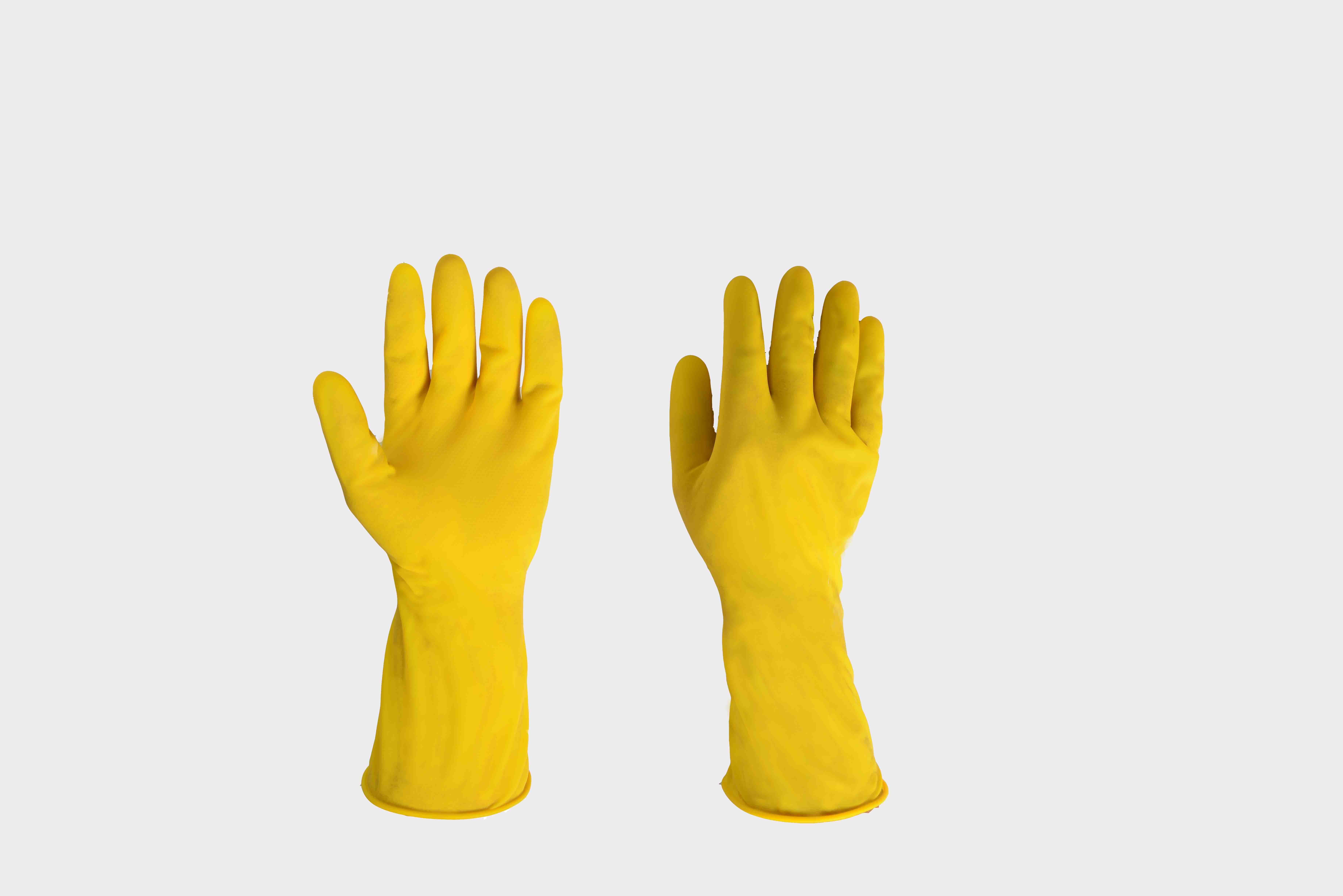
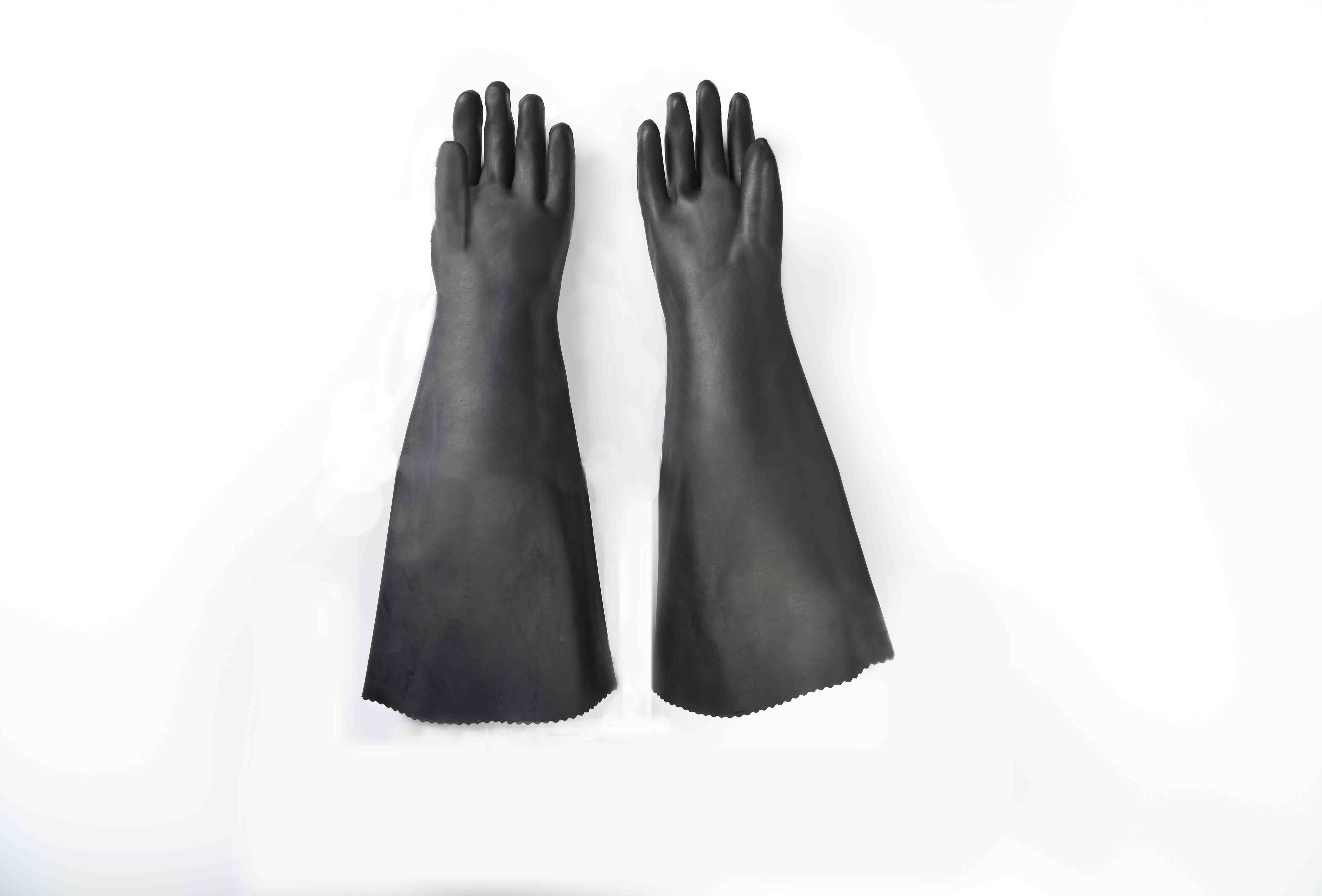
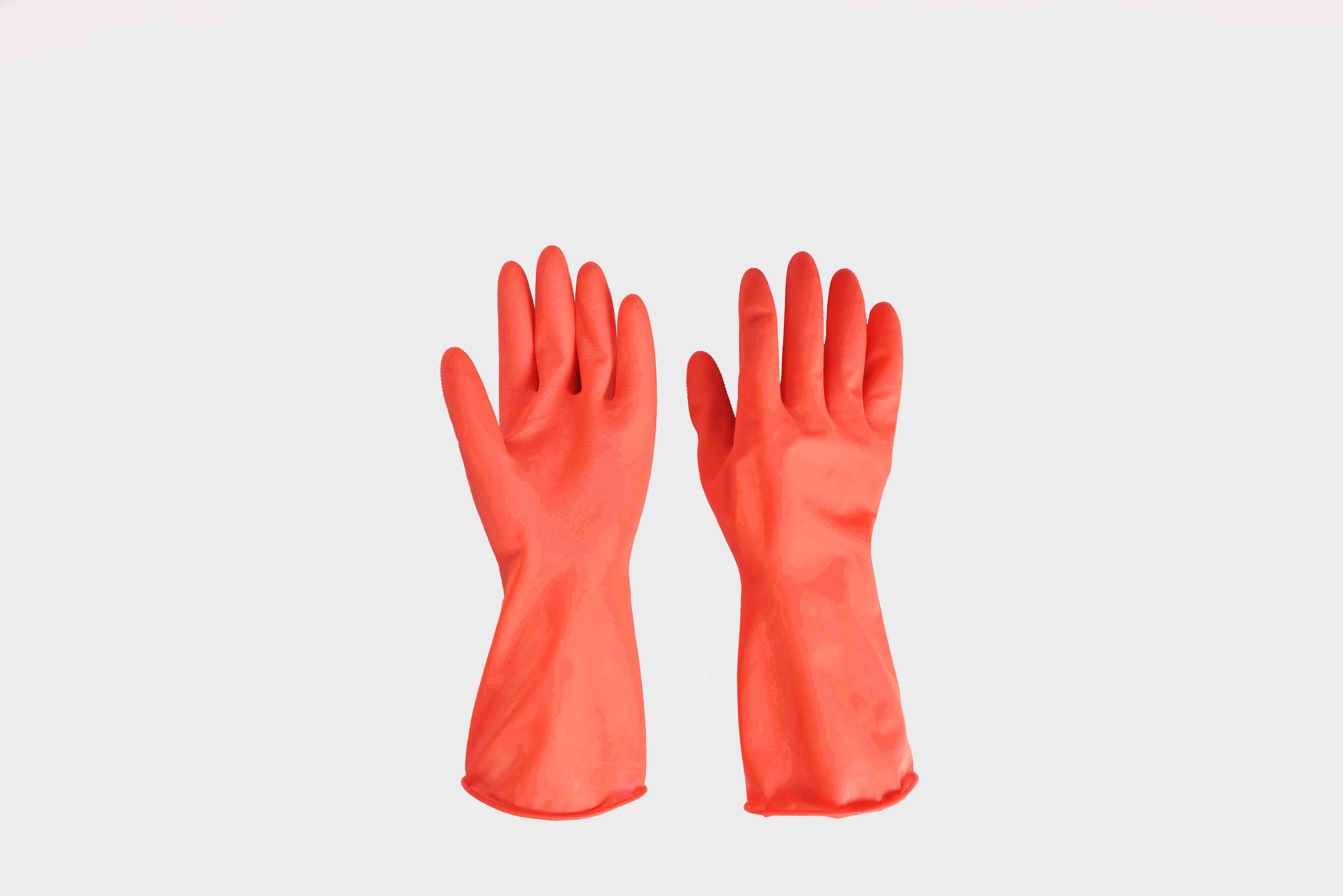
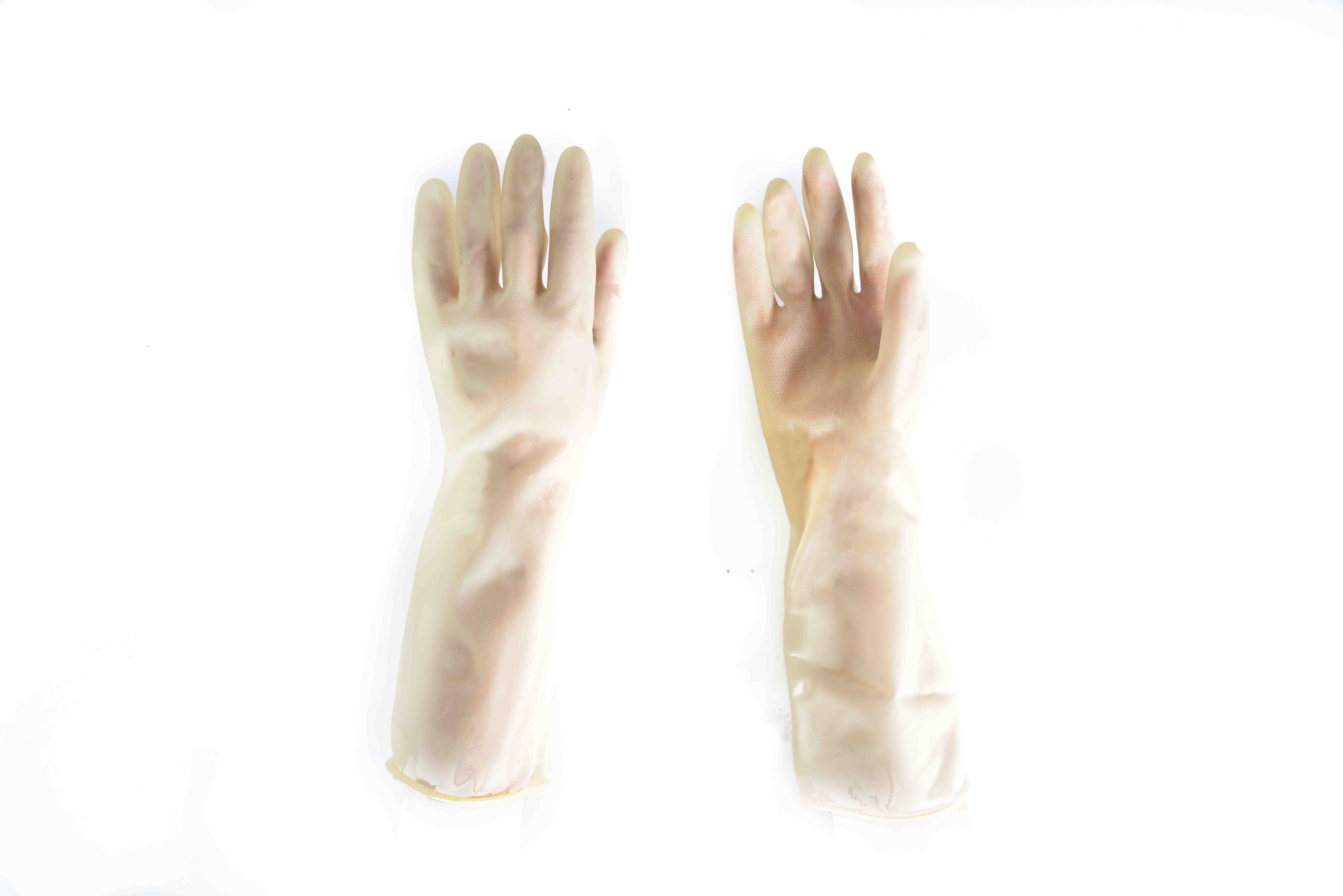
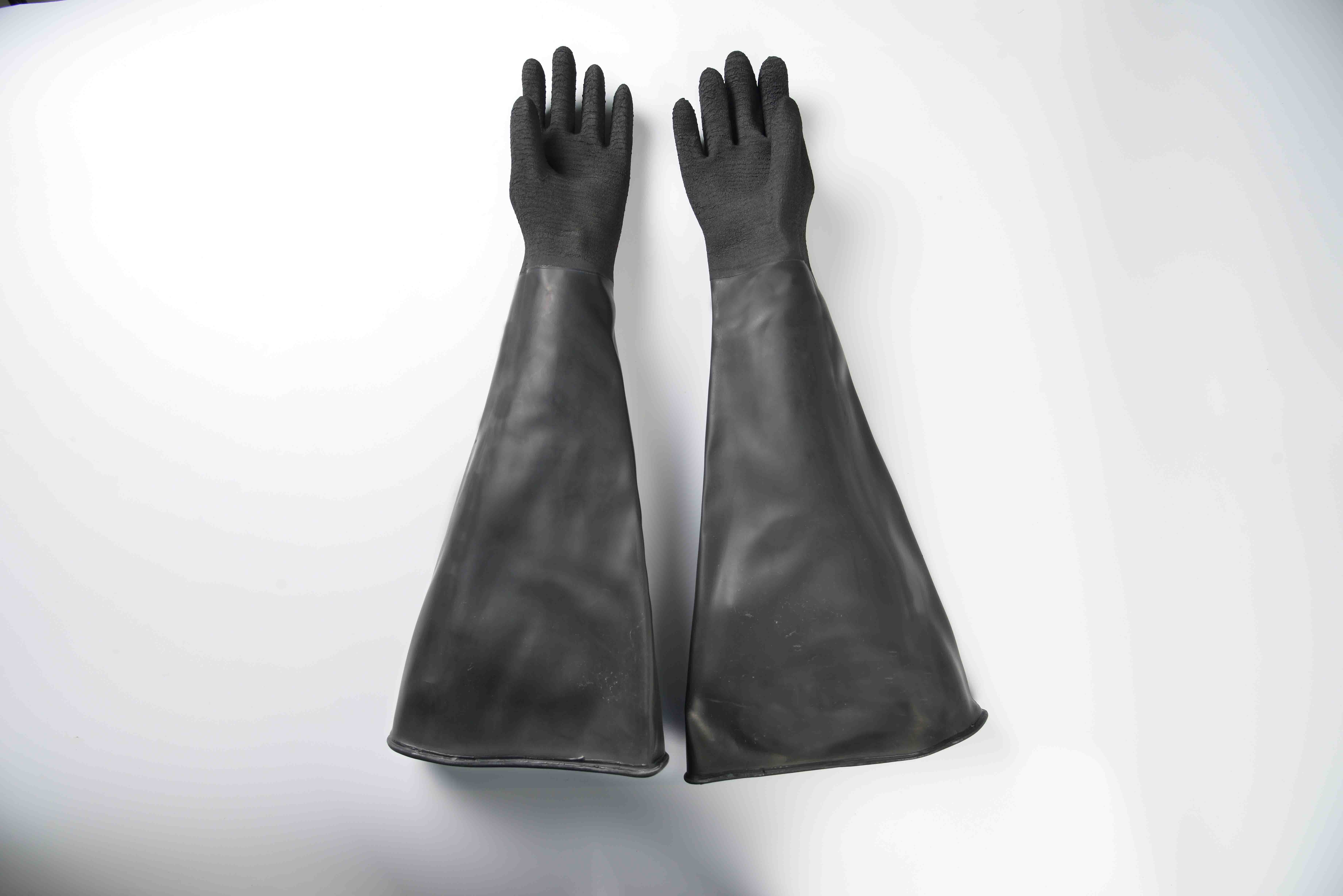
2016 Good Quality 12″ rubber glove with cotton linning-rough finish for The Swiss Importers
Short Description:
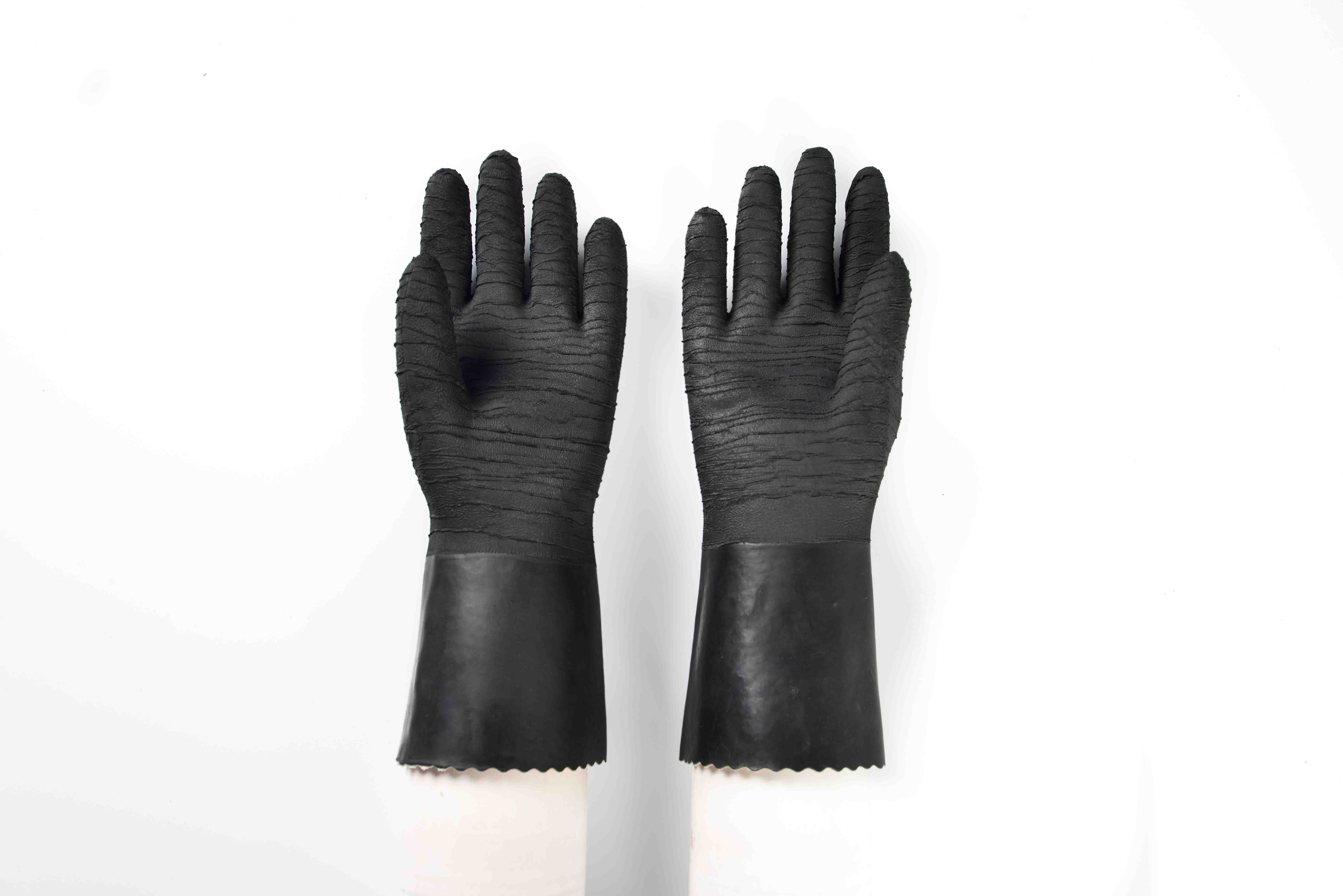
Heavy duty rubber glove, made of 100% natural latex. 12”length(31cm), rough finish, seamless, cotton lining, left/right hand, 210g/pair, 120pairs/case. Using for Isolater, dry box, blast cabinet, glove box, etc.
Product Detail
FAQ
Product Tags
In the past few years, our company absorbed and digested advanced technologies both at home and abroad. Meanwhile, our company staffs a team of experts devoted to the development of products. 2016 Good Quality 12″ rubber glove with cotton linning-rough finish for The Swiss Importers, Looking to the future, a long way to go, constantly striving to become the all staff with full enthusiasm, one hundred times the confidence and put our company built a beautiful environment, advanced products, quality first-class modern enterprise and work hard!
Heavy duty rubber glove, made of 100% natural latex.
12”length(31cm), rough finish, seamless, cotton lining, left/right hand, 210g/pair, 120pairs/case.
Using for Isolater, dry box, blast cabinet, glove box, etc.
FAQ Content
Shop The List on HSN.com http://goo.gl/y8auqp
Colleen takes the guesswork out of shopping for fashion and jewelry. Watch HSN every Thursday at 9pm ET & 6pm PT to see what you’ll add to your list!
Prices shown on the previously recorded video may not represent the current price. View hsn.com to view the current selling price.
Moist felted slippers