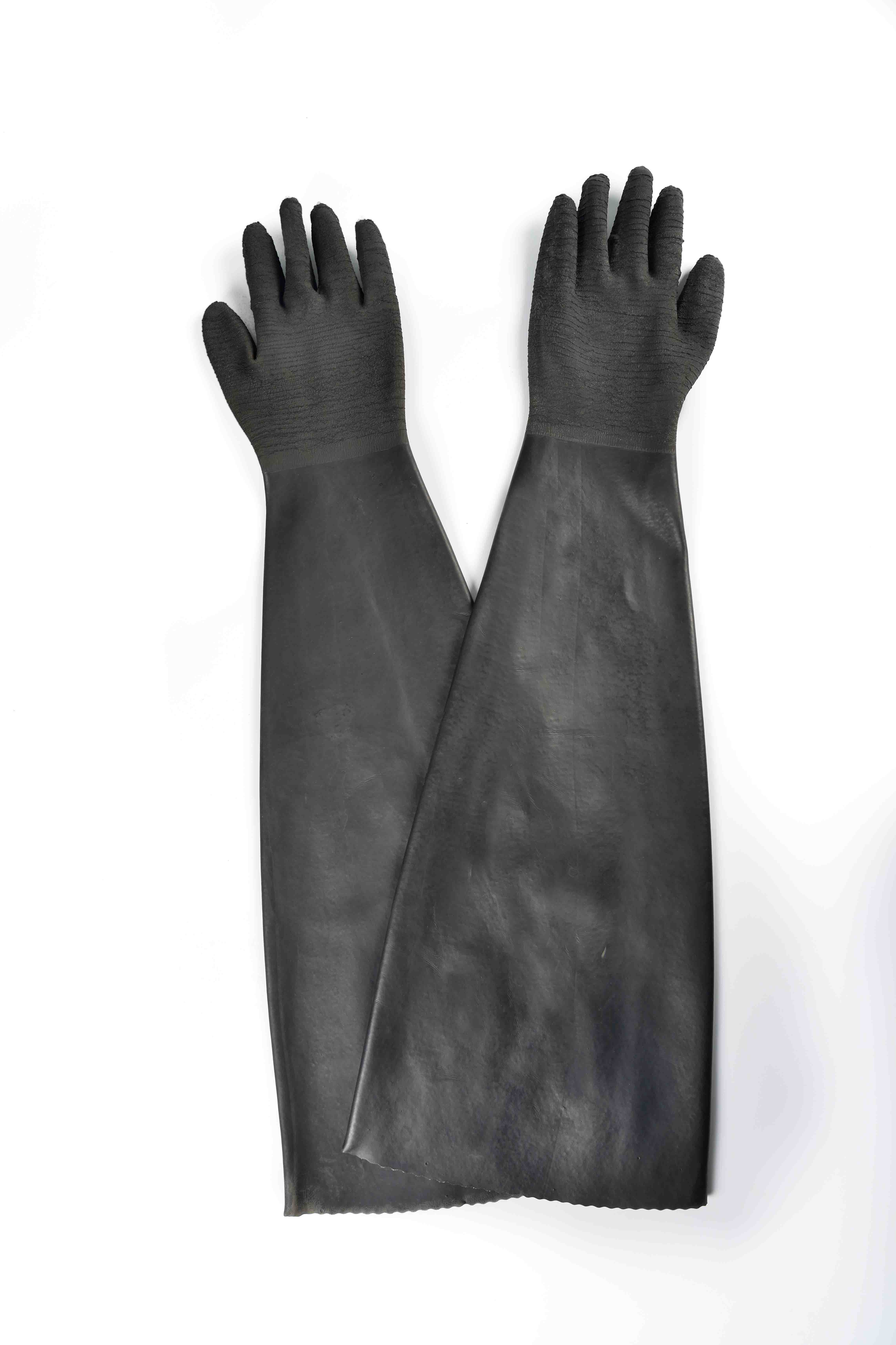
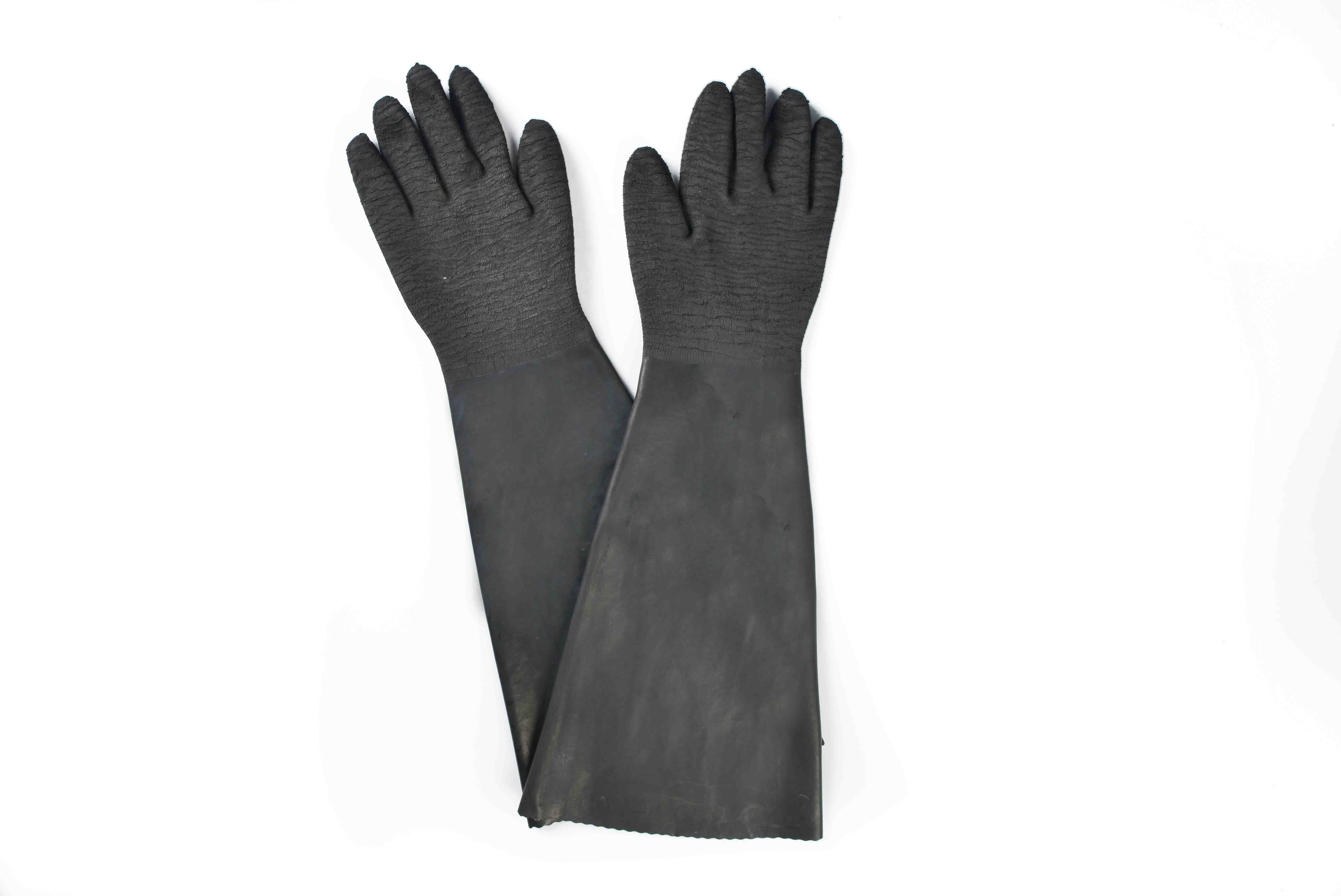
21 Years Factory Rubber shoe cover-L for Manchester Factory
Short Description:
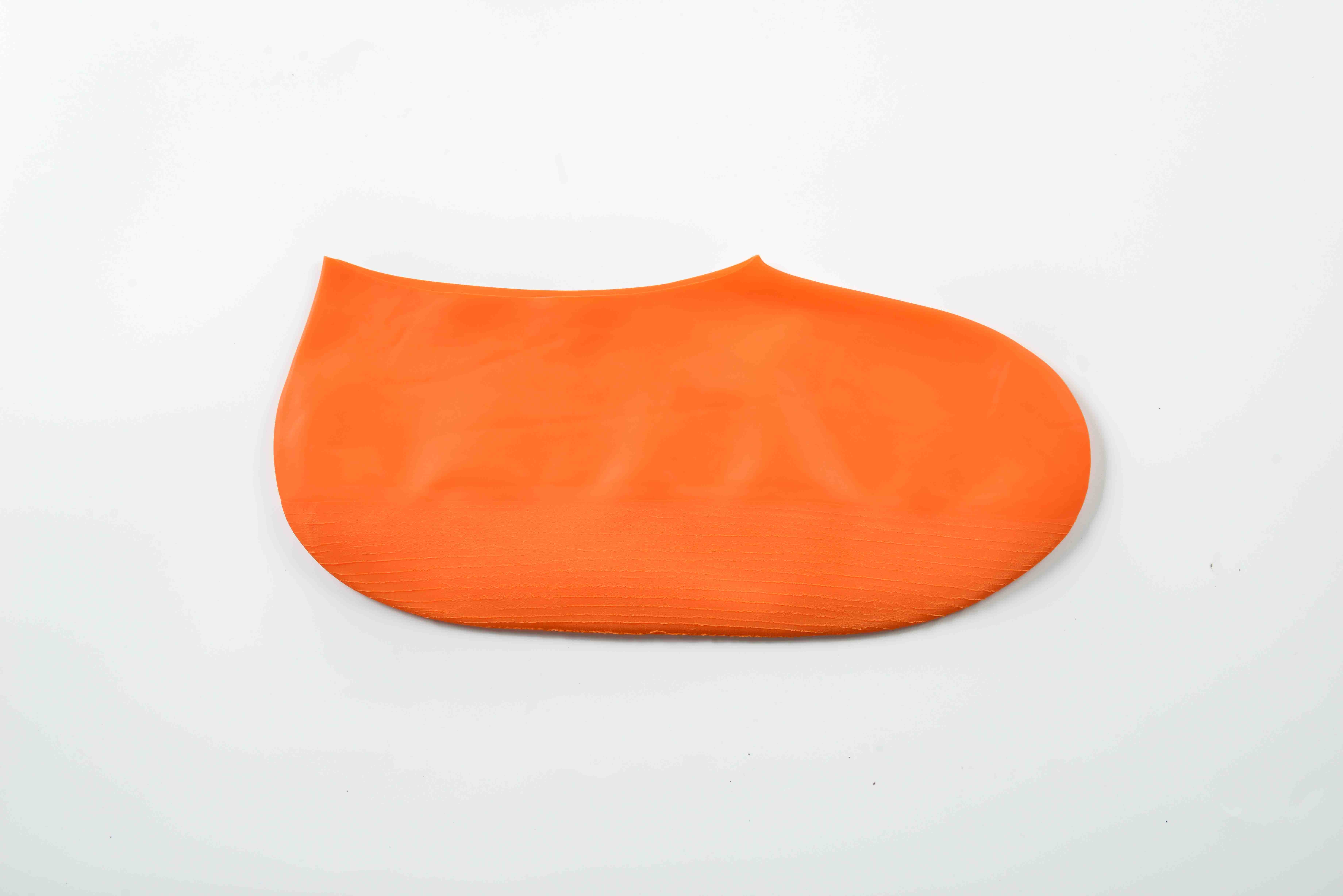
Rubber shoe cover, made of 100% natural rubber. Wrinkling sole for slip resistance, water proof, good elasticity, good resistance against acid and alkali, non-toxic, No stimulating smell. They can be widely used in industry, agriculture, food processing, etc. There are totally 4 sizes. Different colors are available. Package: 100 pairs/case.
Product Detail
FAQ
Product Tags
We stick to our enterprise spirit of "Quality, Efficiency, Innovation and Integrity". We aim to create more value for our customers with our rich resources, advanced machinery, experienced workers and excellent services 21 Years Factory Rubber shoe cover-L for Manchester Factory, We welcome customers, business associations and friends from all parts of the world to contact us and seek cooperation for mutual benefits.
Rubber shoe cover, made of 100% natural rubber.
Wrinkling sole for slip resistance, water proof, good elasticity, good resistance against acid and alkali, non-toxic, No stimulating smell.
They can be widely used in industry, agriculture, food processing, etc. There are totally 4 sizes. Different colors are available. Package: 100 pairs/case.
FAQ Content
Garden Products Direct: Premium Goatskin Leather Gardening/Rose Pruning Gloves #Review #GardenProductsDirect http://wp.me/p2B5Rd-1PC
(Please click above link to view entire article. Thank you!)
Having a large amount of rose bushes is wonderful and the blooms in Southern California are well enjoyed into December and even sometimes beyond, if the temperatures remain warmer. The one thing that always makes a task easier, is having the right tools to perform it. I have used many garden gloves and one thing many gloves do not provide, is enough support and protection where a thorn from a stem could penetrate. I end up getting stabbed and poked with even gloves on the first use. I have used all materials from the self-curing rubbers, to nylons that have extra thread support. Most I end up using for digging and planting when they fail against even protecting me when I trim the dwarf citrus trees. If they can’t protect me against those thin thorns, my roses are better trimmed bare handed than having to deal with ill forming gloves.
I was sent a pair of rose pruning garden gloves from Garden Products Direct. These are different to those I have found in the “big box stores”, which tends to think ladies just plant pansies and daisies, so we need zero protection from those thorn-less varieties. Most gloves in stores are thin with beautiful designs and colors, however they really just may keep your hands and nails clean when a manicure is not the only thing I am trying to save. I’m looking for overall protection and finally found a pair that may just be up for the tasks I complete. The premium gloves from Garden Products Direct have:
Heavy-Duty but still remain soft so you can bend digits and be able to grasp everything from thorny stalks to soft blooms you want to save to create a vase arrangement.
Made with 100% goat grain leather and extra long sleeves, which are made from cowhide. This sleeve/cuff provides extra protection when having to trim between branches.
The gloves are designed for working hands, so they remain smaller along the fingers and wrist, but still provide enough dexterity to be able to grasp tools from shovels to clippers.
The glove’s material also produces lanolin, which keeps hands hydrated and soft when worn and used.
Retail Price Point: $23.99 and that is the same price point for sizes small through large via Amazon. The gloves are Unisex and I found the size small fit my hands and arms perfectly. Due to having short and smaller arms, the glove is loose and longer (goes past my elbow), but I can easily fold the cuff at the end to provide a form fitting that is customized to my size.
Verdict:
The gloves being made from natural leathers/hides will have a odor but nothing out of the norm, and I pretty much associate it with the scents you get from leather-goods, like from wallets, purses, and jackets made of such materials. This is to be expected and it’s not a chemical laden scent, so that was welcoming and was easy to air out by leaving them out overnight in the garage. I ordered a size small because my biggest gripe with gloves has been fit. The fingers are always too long and wide with my former gloves and this ends up frustrating me when I am trying to grasp because I lose that “real feel” when it comes to gardening. I end up over manipulating plants when planting because I lose dexterity when fabrics remain stiff but too thin to even prevent dirt granules from entering and soiling both the inside of my glove and hands. The gloves from Garden Products Direct fit perfectly and allowed my fingers to bend with ease while sti………….
I received the above product(s) free of charge from Garden Products Direct. I am not obligated to provide a positive or favorable review, just my honest opinion. My review is based on my experience with the product and/or brand, which may differ from yours.
Hardshell gourds have been used as food and beverage containers, and art pieces for centuries. They are often referred to as “nature’s pottery” due to their beautiful variety of shapes and hardy uses. The creative crafting possibilities of hardshell gourds are endless; from bowls and cups (mate gourds, used for drinking yerba mate), to purses, jewelry, Christmas ornaments, lampshades, jewelry boxes, bird houses, tribal penis shields, and even a wide variety of musical instruments. The list goes on forever, only limited by your imagination.
But I’m not here right now to tell you what to do with them (maybe later); I’m here to tell you how to clean them inside and out, using safety precautions.
The need to clean depends largely on what you plan to do with the gourd. You may decide to only work on the outside without a need to open the gourd, in which case you get to avoid the extra work involved. If you plan to make a bowl, for example, then clearly you’ll be working on both inside and outside, as well as cutting and/or carving.
The outsides of dried gourds are fairly simple to clean, if sometimes labor intensive. The extent to which you clean them depends upon how you want to use them, and what you might want to add to the surface (paints, dyes, etc.). If you want a naturey-looking gourd with its natural waxy coating you don’t have to do much beyond washing off dirt and dark mold with a hot water and bleach solution (maybe 10 parts water to 1 part bleach), which retards future mold growth. However, if you want to dye a gourd, leaving the waxy coating on it might prevent dye from soaking into the surface the way you want it to, which means you’ll have to scrub harder to remove nature’s irritating addition to your innocent craft project.
The insides of gourds are a different story, and a potentially dangerous one. You need to be careful not to inhale the contents. Not all hardshell gourds are terrible inside, but they are all dusty, and you can’t guess which ones will merely make you sneeze and which ones might contain mold/fungus, bacteria, and other pathogens that could cause serious allergic reactions, including anaphylactic shock. I’ve personally been flattened with a gourd dust-related illness that gourd crafters refer to as “gourd flu”, which was basically illness that mimicked semi-severe flu symptoms (fever, aching joints, muscle soreness, mucus, fatigue) for about two to three days. If there’s a medical term for this, I don’t know what it is, but in hindsight… I probably should have seen a doctor. And you should, too, if it ever happens to you.
So… to prepare, make sure you use a dust mask. They’re easily found at hardware stores all over. Choose a good one designed for working with wood/sawdust; if possible, look into one that also protects against molds/fungus. Second, use protective goggles. Remember, these precautions aren’t just for gourds; any time you do craftwork involving dust, solvents, tools and so on.
What can you expect to find when you open a gourd (via Xacto knives/saws, mini electric jigsaws, or Dremels… be careful not to cut yourself)? Dust, seeds, a styrofoam-like substance, and hardened pulp, maybe even a few tiny beetles. You probably don’t want to keep that junk in there, right? So you have to clean it out, and often this is easy, but occasionally this can get ugly.
You should prepare yourself for cleaning the outside with:
~ A sink or tub, the size depending on the size(s) of gourds you’re cleaning.
~ Rags
~ Copper scrubbing pads. 100% copper means they won’t rust should you want to use them again later.
~ Bleach
~ Old towel(s)
~ Something to scrape with, perhaps a knife edge
~ Rubber dish gloves
You should prepare yourself for cleaning the inside with:
~ Gardening gloves, or thicker gloves
~ A melon baller
~ A taxidermy scraper
~ A sanding sponge
~ A shop vac
~ Dust masks, the best ones being for the finest particulate matter
~ Eye protection, especially if you plan on using power tools
~ Electric drill with wire brush bit for spots that are hard to reach
Please don’t ignore the safety precautions, especially regarding sawdust. If you use a high-powered cutting tool (Dremel, etc), you’ll be generating a lot… a LOT… of sawdust from the gourd, and it is very, very fine. The faster the tool, the more dust you’ll create. Many gourd artists opt for mini-jigsaws with variable speeds, to control the cutting and minimize dust. In addition to dust masks and goggles, you should work in a well-ventilated area.