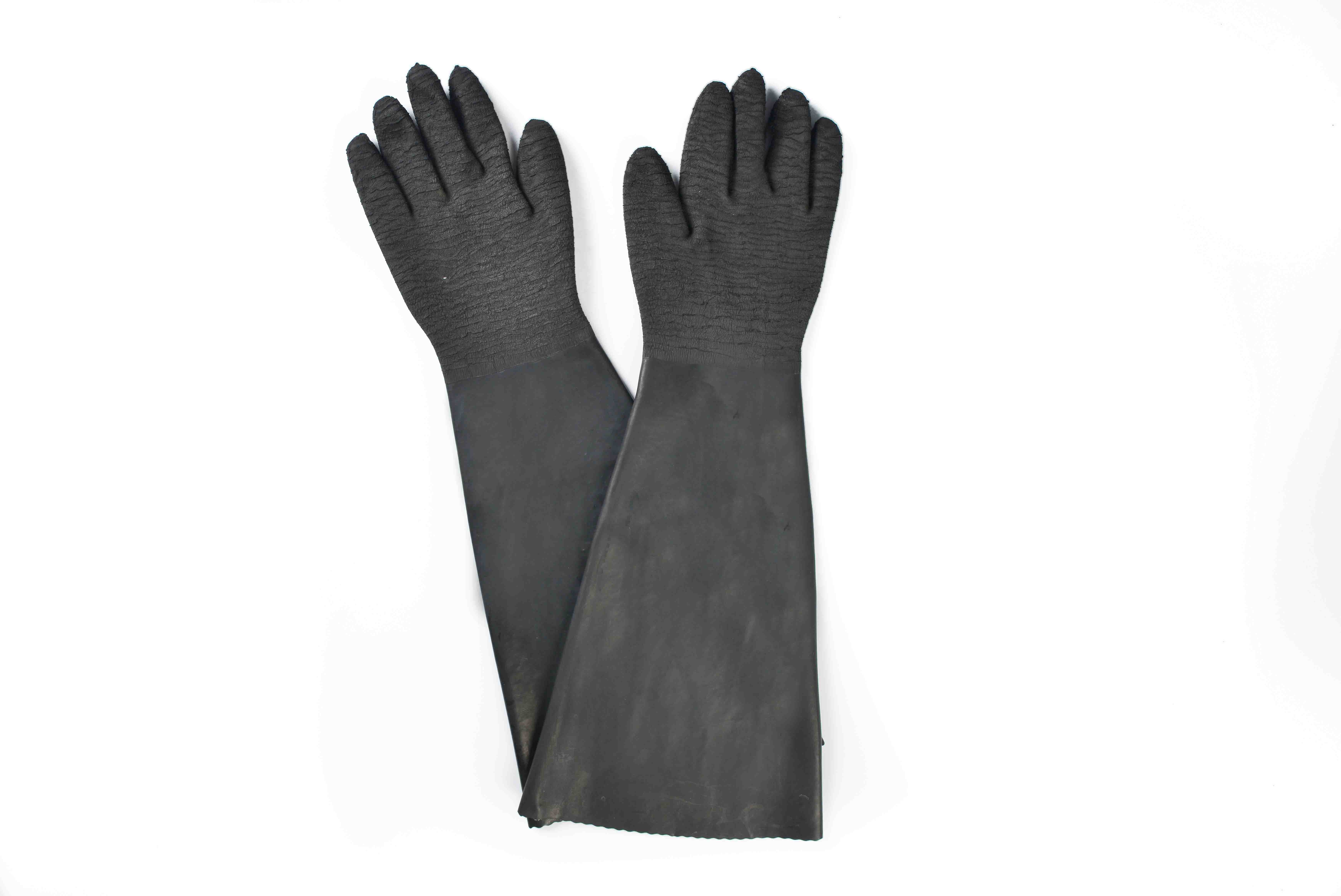
23 Years Factory 14″ rubber glove with cotton linning-rough finish to Slovakia Factory
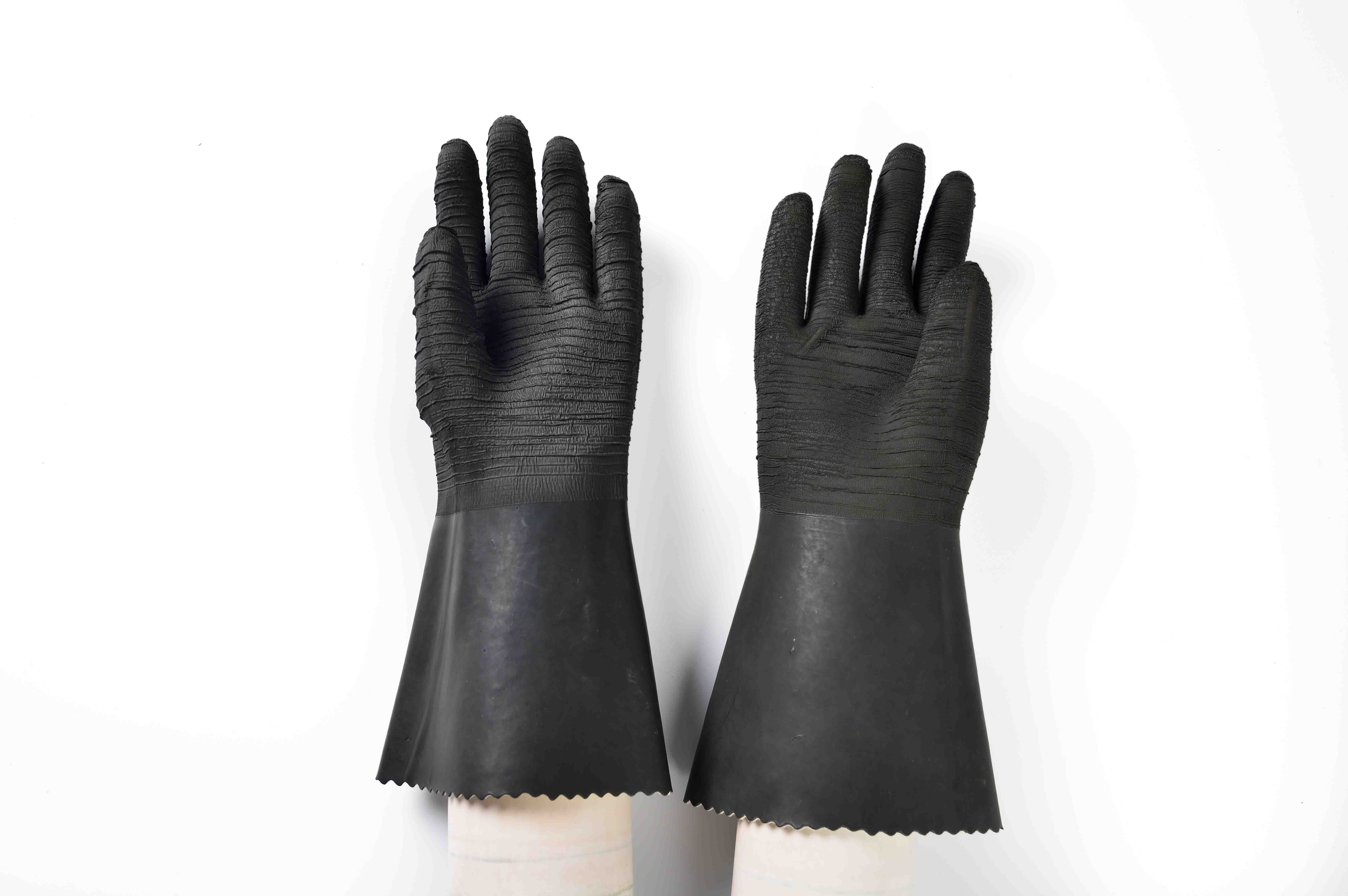
Short Description:
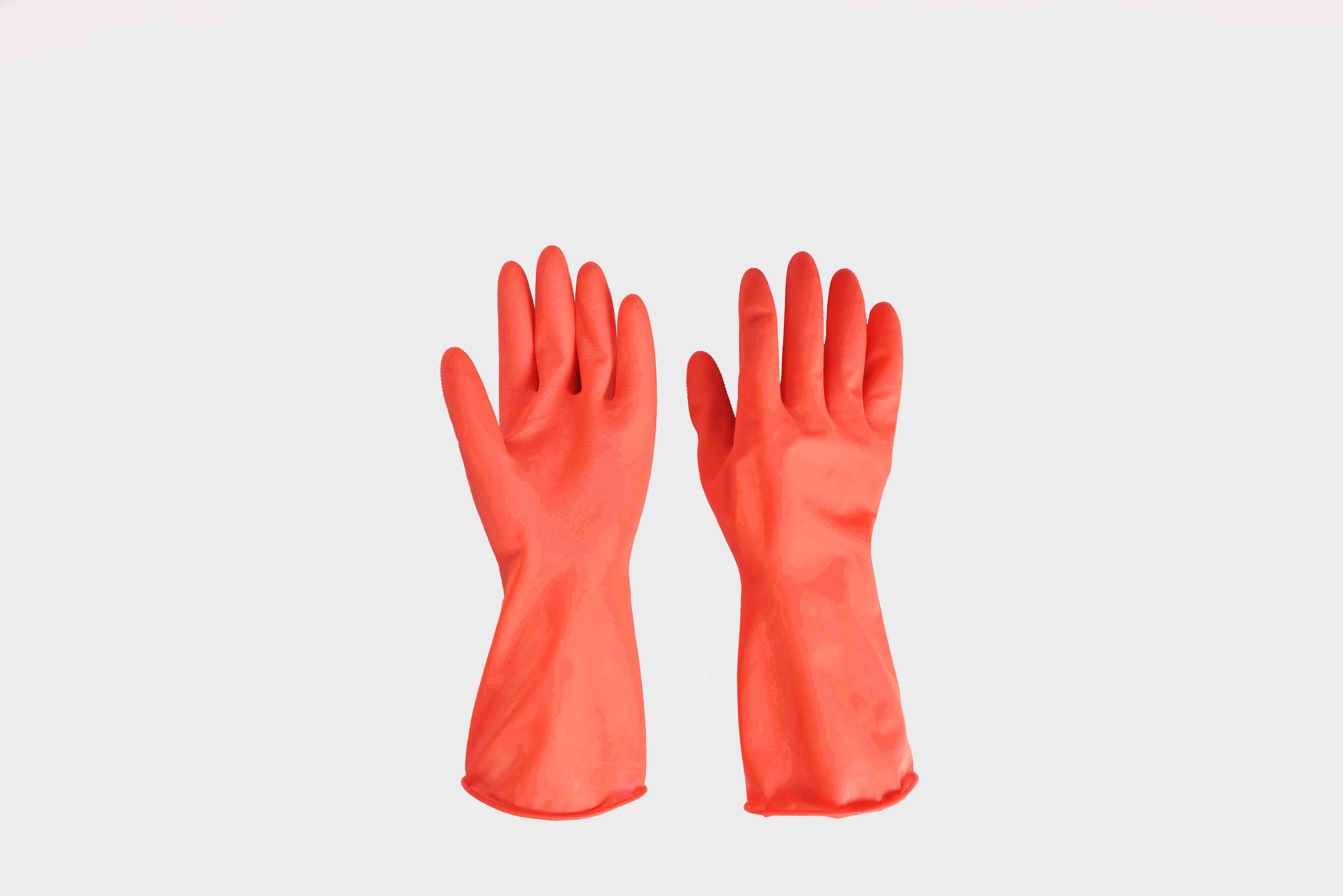
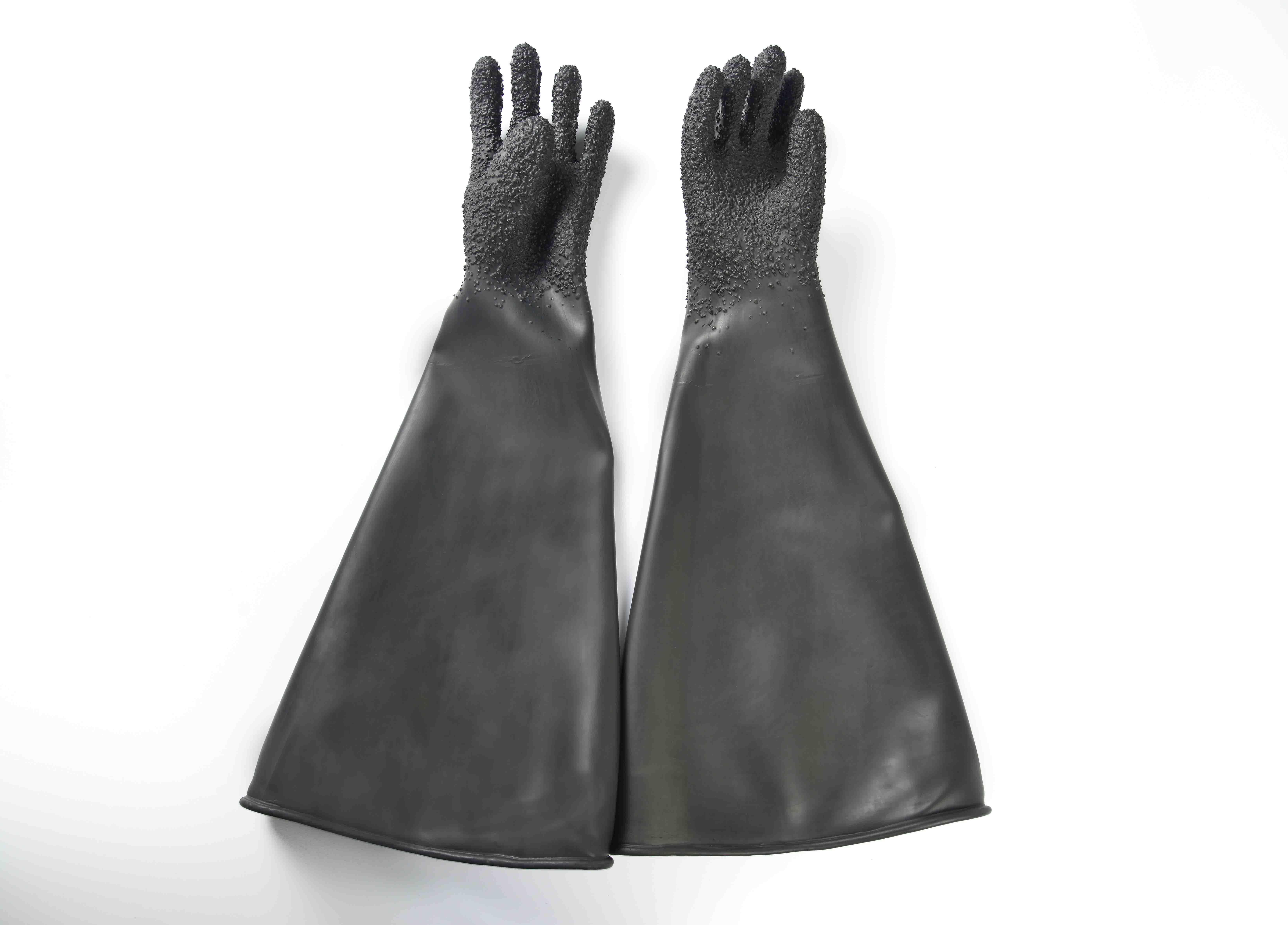
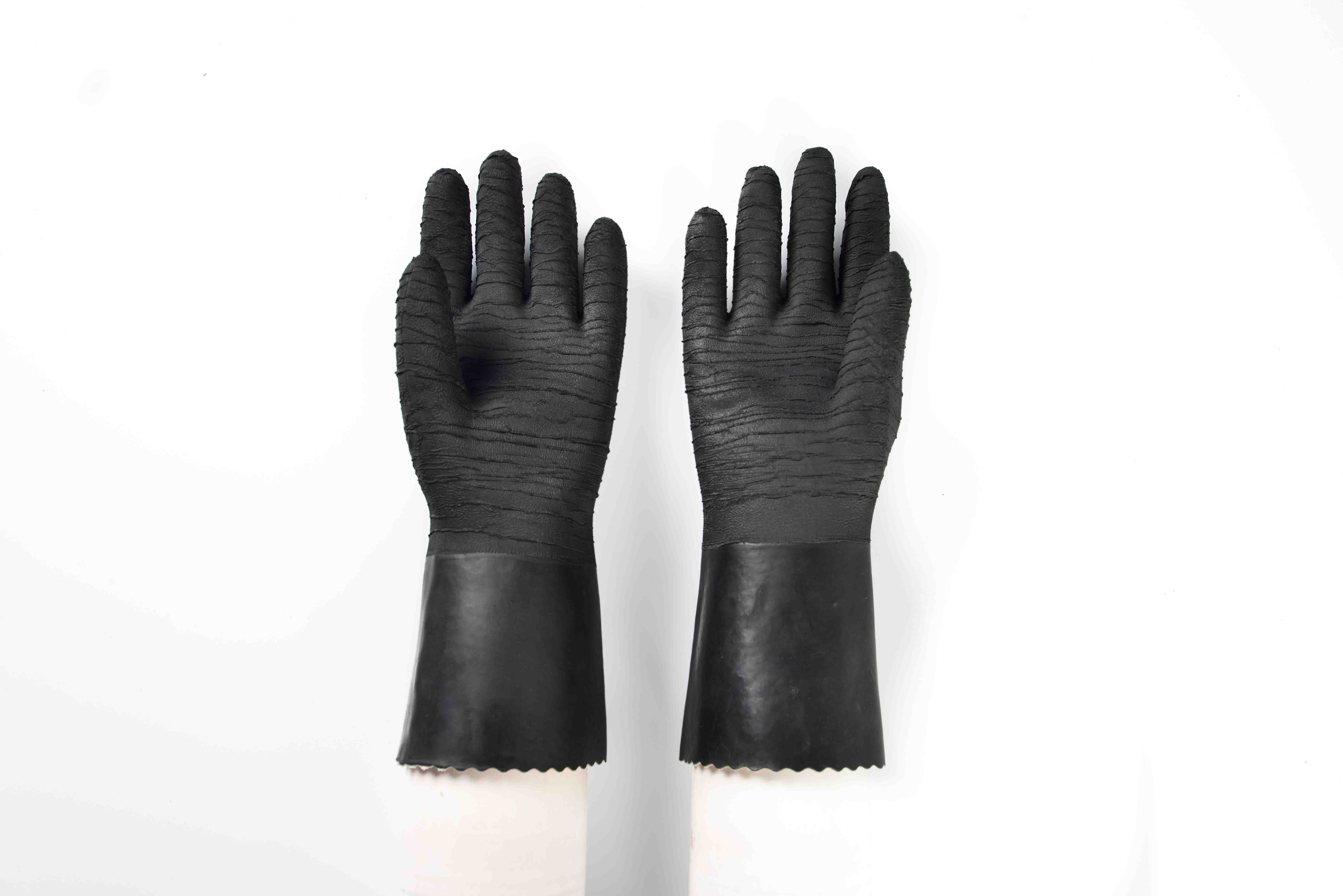
Heavy duty rubber glove, made of 100% natural latex. 14”length(36cm), rough finish, seamless, cotton lining, left/right hand, 330g/pair, 100pairs/case. Water proof, anti acid and alkali. Using for Isolater, dry box, blast cabinet, glove box, etc.
Product Detail
FAQ
Product Tags
assume full responsibility to meet all demands of our clients; achieve continuous advancements by promoting the growth of our clients; become the final permanent cooperative partner of clients and maximize the interests of clients. 23 Years Factory 14″ rubber glove with cotton linning-rough finish to Slovakia Factory, As we are moving forward, we keep an eye on our ever-expanding product range and make improvement to our services.
Heavy duty rubber glove, made of 100% natural latex.
14”length(36cm), rough finish, seamless, cotton lining, left/right hand, 330g/pair, 100pairs/case.
Water proof, anti acid and alkali. Using for Isolater, dry box, blast cabinet, glove box, etc.
FAQ Content
“Natural rubber”, also called “India rubber” or “”caoutchouc”", as initially produced, consists of polymers of the organic compound isoprene, with minor impurities of other organic compounds plus water. Malaysia is a leading producer of rubber. Forms of polyisoprene that are used as natural rubbers are classified as elastomers. Natural rubber is used by many manufacturing companies for the production of rubber products. Currently, rubber is harvested mainly in the form of the latex from certain trees. The latex is a sticky, milky colloid drawn off by making incisions into the bark and collecting the fluid in vessels in a process called “tapping”. The latex then is refined into rubber ready for commercial processing. Natural rubber is used extensively in many applications and products, either alone or in combination with other materials. In most of its useful forms, it has a large stretch ratio and high resilience, and is extremely waterproof.
Compared to vulcanized rubber, uncured rubber has relatively few uses. It is used for cements; for adhesive, insulating, and friction tapes; and for crepe rubber used in insulating blankets and footwear. Vulcanized rubber, on the other hand, has numerous applications. Resistance to abrasion makes softer kinds of rubber valuable for the treads of vehicle tires and conveyor belts, and makes hard rubber valuable for pump housings and piping used in the handling of abrasive sludge.
The flexibility of rubber is often used in hose, tires, and rollers for a wide variety of devices ranging from domestic clothes wringers to printing presses; its elasticity makes it suitable for various kinds of shock absorbers and for specialized machinery mountings designed to reduce vibration. Being relatively impermeable to gases, rubber is useful in the manufacture of articles such as air hoses, balloons, balls, and cushions. The resistance of rubber to water and to the action of most fluid chemicals has led to its use in rainwear, diving gear, and chemical and medicinal tubing, and as a lining for storage tanks, processing equipment, and railroad tank cars. Because of their electrical resistance, soft rubber goods are used as insulation and for protective gloves, shoes, and blankets; hard rubber is used for articles such as telephone housings, parts for radio sets, meters, and other electrical instruments. The coefficient of friction of rubber, which is high on dry surfaces and low on wet surfaces, leads to the use of rubber both for power-transmission belting and for water-lubricated bearings in deep-well pumps.
Wiz Science™ is “the” learning channel for children and all ages.
SUBSCRIBE TODAY
Disclaimer: This video is for your information only. The author or publisher does not guarantee the accuracy of the content presented in this video. USE AT YOUR OWN RISK.
Background Music:
“The Place Inside” by Silent Partner (royalty-free) from YouTube Audio Library.
This video uses material/images from https://en.wikipedia.org/wiki/Natural+rubber, which is released under Creative Commons Attribution-Share-Alike License 3.0 http://creativecommons.org/licenses/by-sa/3.0/ . This video is licensed under Creative Commons Attribution-Share-Alike License 3.0 http://creativecommons.org/licenses/by-sa/3.0/ . To reuse/adapt the content in your own work, you must comply with the license terms.
View in 1080 for clear images!
Song: Blackmill – Spirit of Life
This is primarily a slideshow containing some of the photos I took during my refinishing of a 1933 Mosin Nagant. It took several months, but the final result was worth the work.
If I had to do it all over again, here is what I would do:
Supplies:
Foaming Varnish Stripper Aerosol
Thick Rubber Gloves
Large Plastic Tub (preferably long enough to fit the entire rifle to rinse in hot water)
Sandpaper from 180-1000 Grit minimum
Oil-Based Stain
Cheesecloth
Tack Cloth
Formby’s Tung Oil Finish High Gloss
0000 Steel Wool
Car Wax
Birchwood Casey Cold Blue Kit
Gun Cleaning Supplies
Begin by disassembling the rifle completely.
Boil any metal parts to remove cosmoline. Flush the barrel with boiling water.
Use a brass brush and gun cleaner to scrub away any rust on large parts
Use CLR or Birchwood Casey Rust Remover on small parts
Re-Blue small screws and touch-up blue large parts where rusted.
Use stripper on both wooden parts to remove surface finish
Rinse wood with hot water
Allow wood to dry thoroughly at room temperature (~1 week)
Place wooden parts in oven on a very low “broil” setting with oven door open
Wipe any foaming cosmoline from the wood and occasionally rotate parts
Once satisfied with cosmoline removal, perform one final cleaning using a degreaser such as Simple Green to remove any surface cosmoline (the more cosmoline you remove now, the less your wood will darken with time).
Sand all wooden parts to 1000 grit
Apply 2 coats of stain, followed by 6 coats of Formby’s
To get a super-smooth finish, apply several thick coats of finish without steel wool then re-sand the whole stock. This fills in any wood pores or divots. Continue applying finish as desired.
Do not sand the final coat. Apply car wax to protect finish.
Re-assemble rifle carefully!!!! The metal rings must slide down your brand new finish to lock into place. I damaged my finish slightly by rocking the rings back and forth – creating a slight drivot each time. Sucks.
Your $90 Mosin Nagant now looks like a $150 Mosin Nagant, congratulations!
Blackmill has stated on his music videos that he does not mind the use of his songs in other videos as long as credit is given.
He and his music kick serious ass, check out his channel and buy his songs!
http://www.facebook.com/pages/Blackmill/167224433307649
http://www.youtube.com/user/blackmillmusic