OEM/ODM China Household rubber glove S supply for Japan
Short Description:

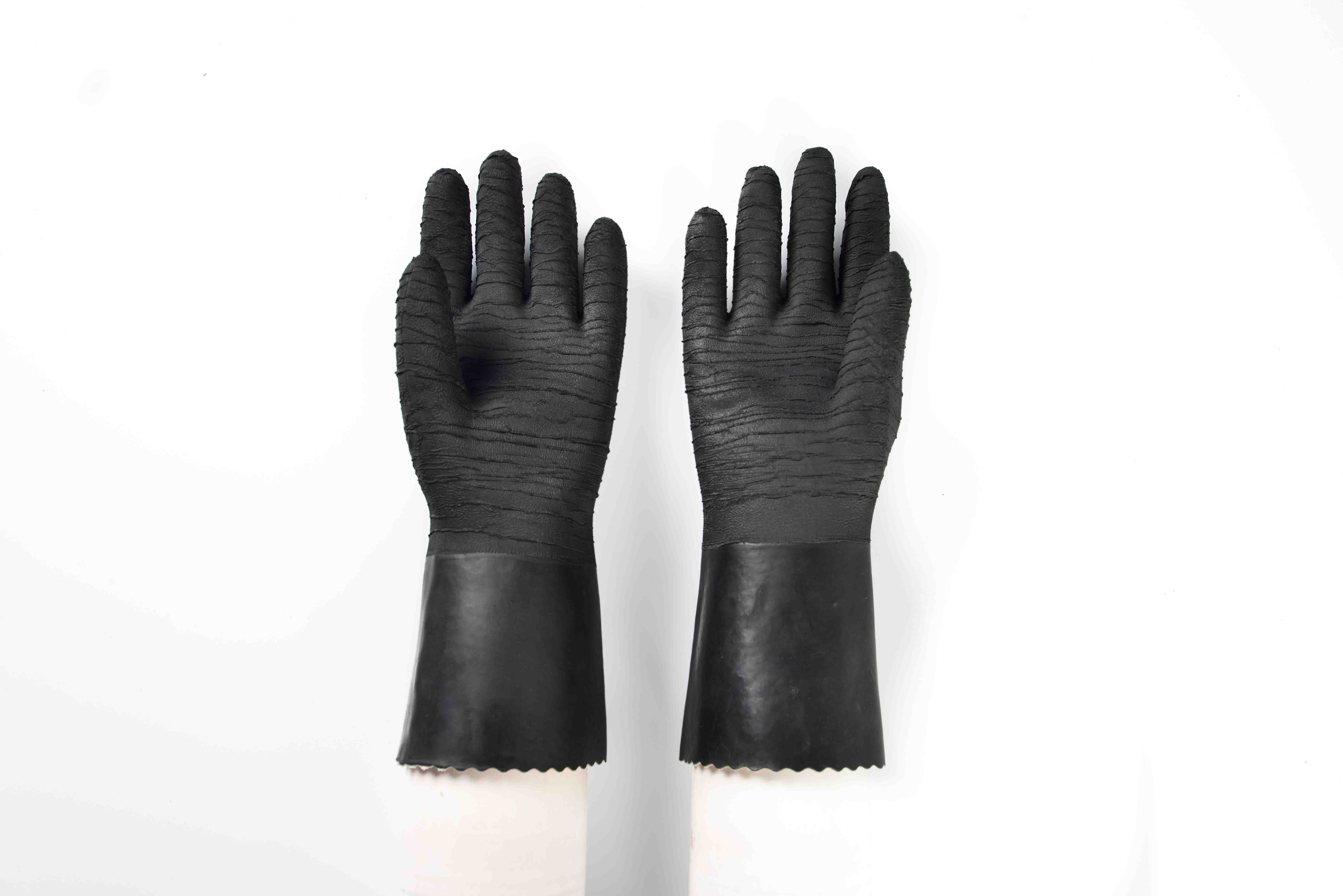
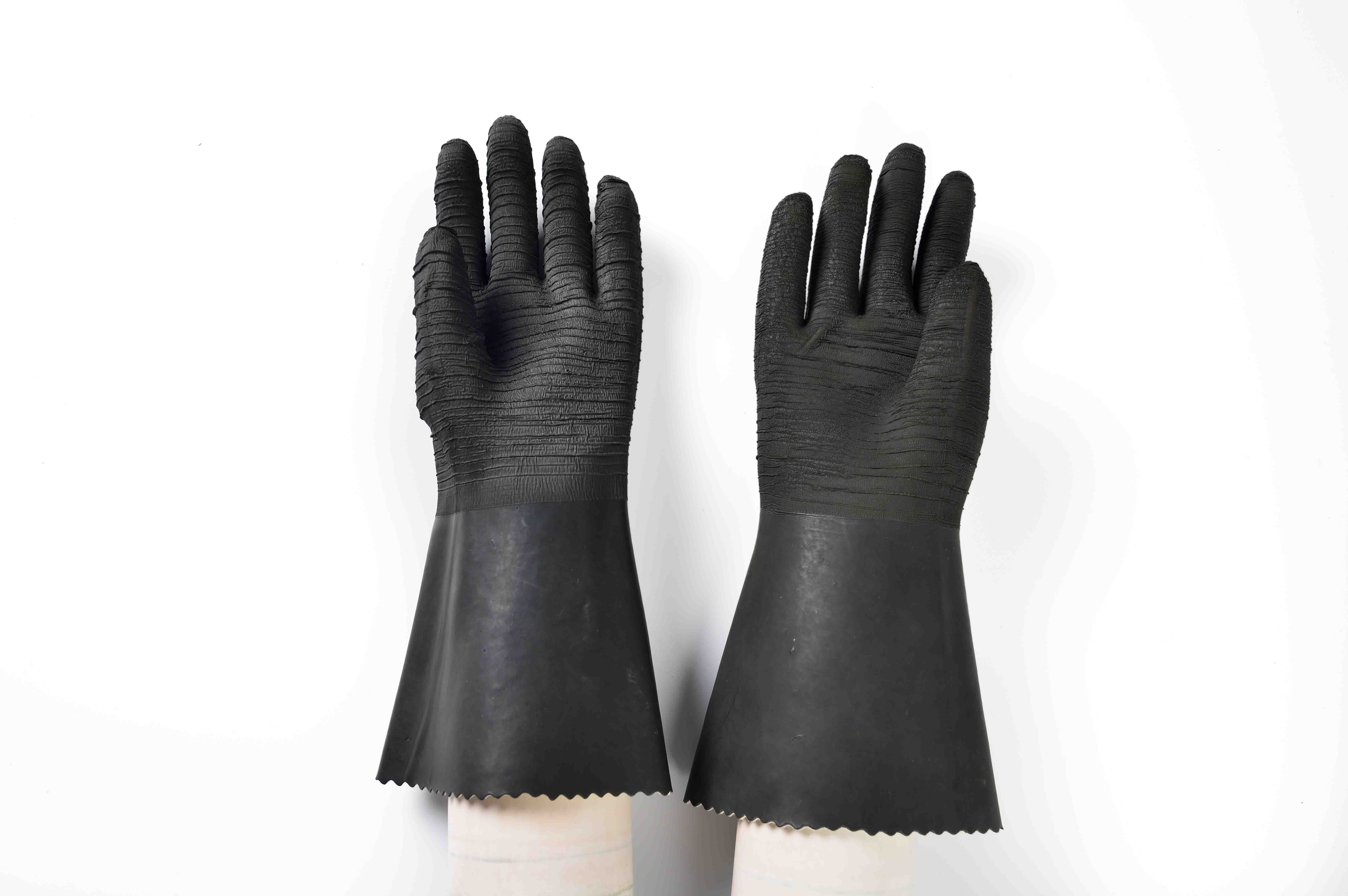
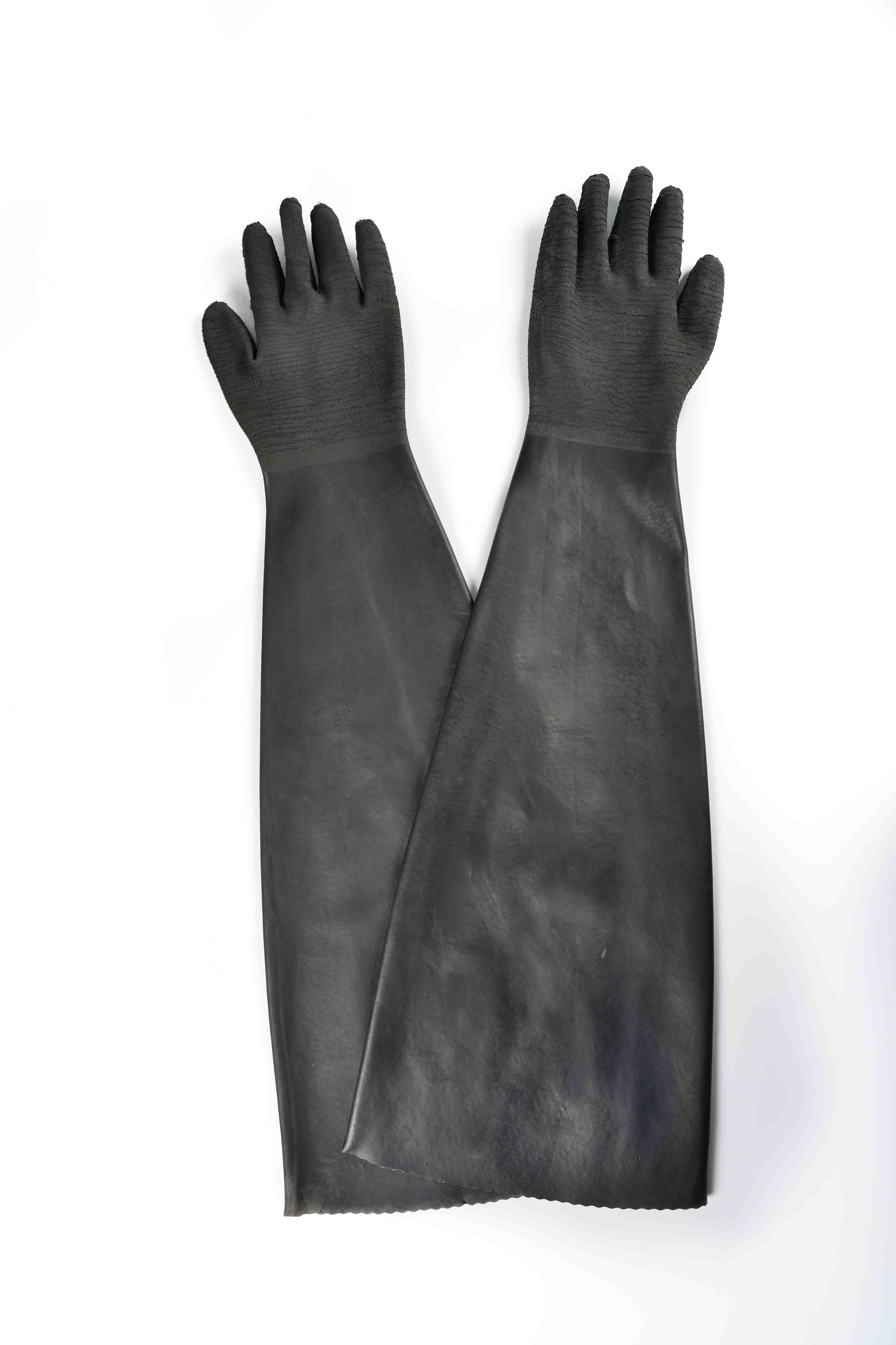
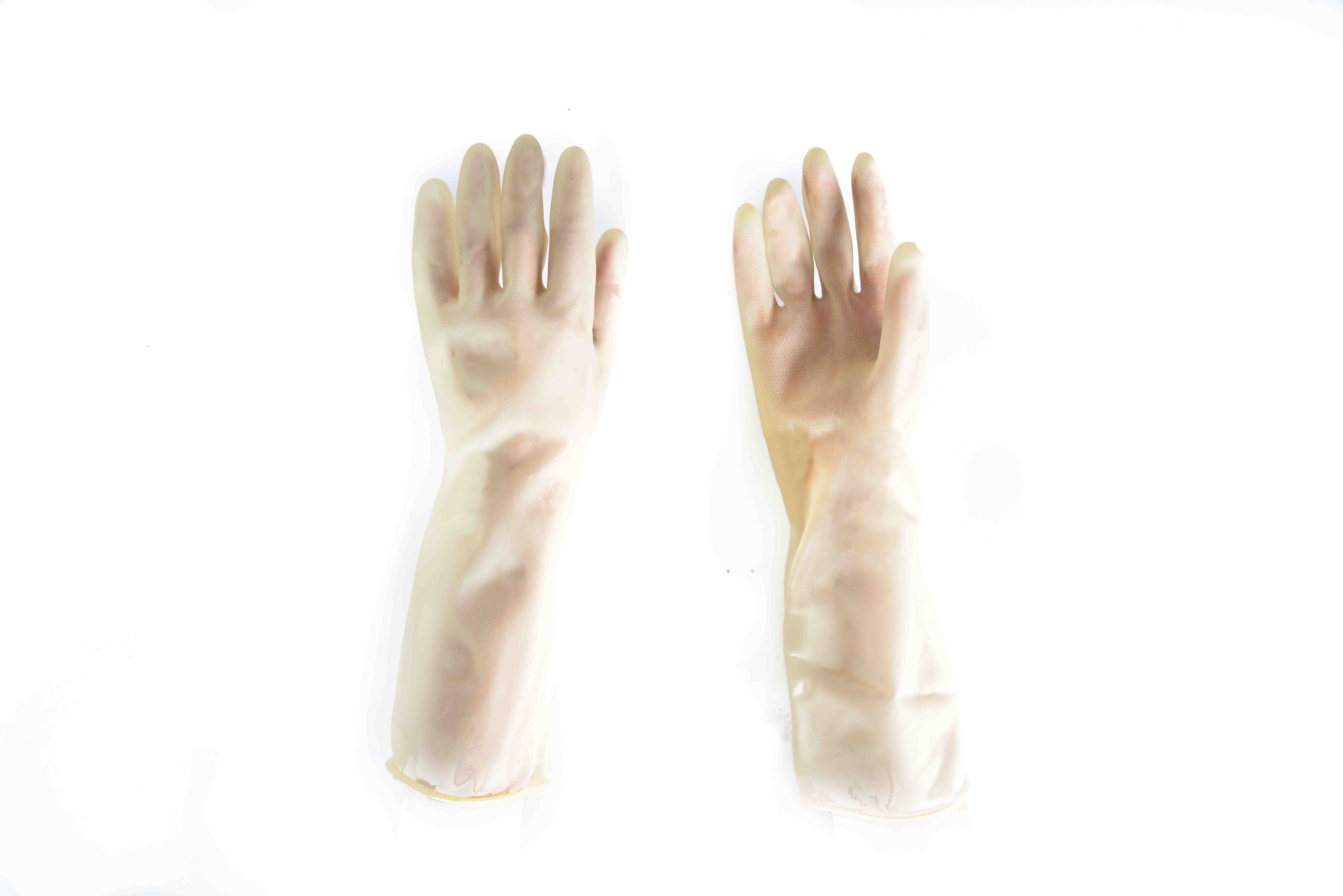
Sanitation glove, made of 100% natrual latex, length 32-36cm, textured palm for anti-slip, waterproof, anti acid and alkali, non-toxic. Mainly used for food processing, hotels, family kitchen, etc. Color: red, yellow, orange, rose, nude, etc.


Product Detail

FAQ

Product Tags

Innovation, quality and reliability are the core values of our company. These principles today more than ever form the basis of our success as an internationally active mid-size company. OEM/ODM China Household rubber glove S supply for Japan, We welcome new and old customers from all walks of life to contact us for future business relationships and mutual success!


Sanitation glove, made of 100% natrual latex, length 32-36cm, textured palm for anti-slip, waterproof, anti acid and alkali, non-toxic.

Mainly used for food processing, hotels, family kitchen, etc. Color: red, yellow, orange, rose, nude, etc.

  • Previous:
  • Next:
  • FAQ Content


  • Examining the different types of RTV mold rubber available for mold making and casting from Smooth-On.

    Advantages of Latex
    * Least expensive mold rubber available.
    * Very elastic, thin-walled and strong.
    * Lasts a long time.
    * Offers good abrasion resistance.
    * Good for making glove molds.

    Disadvantages of Latex
    * Strong ammonia smell.
    * Can only be brushed onto an original.
    * Many coats are necessary.
    * Can take up to two weeks to make mold.
    * Shrinkage.

    Casting with Latex
    * Good for casting concrete, wax or plaster.
    * Generally not used for casting urethane, polyester, or epoxy resins, or low-temp metal alloys.

    Advantages of Polysulfide
    * Soft, stretchy, and durable.
    * Last a very long time.
    * Moderate cost.
    * Will cure against water clay or clays containing sulfur.

    Disadvantages of Polysulfide
    * Accurate gram scale to weigh components.
    * Offensive odor.
    * May stain white plaster during casting.

    Casting with Polysulfide
    * Good for casting plaster or wax only.
    * Will not handle concrete, resins, or low-temp metal alloys.

    Advantages of Silicone Rubber
    * Best release properties of all the mold rubbers.
    * Model surface preparation minimal nor not necessary.
    * Release agent for casting often not necessary.
    * Most heat resistance to high temperatures.
    * Can cast low-tempmetal alloys such as tin and pewter.
    * High tear resistance.
    * Knotty tear propagation.
    * Very good chemical resistance.
    * Longest mold life for casting urethane, polyester, or epoxy resins.

    Disadvantages of Silicone Rubber
    * Price.
    * Require precise measurement.
    * Air entrapment. Vacuum degassing may be necessary

    Disadvantages of Tin-Cure Silicone
    * Will shrink somewhat over time.
    * Will lose tear strength when stored in library over time.

    Disadvantages of Platinum-Cure Silicone
    * Most expensive available.
    * Cure inhibition.

    Casting with Silicone
    * Appropriate for most casting materials.

    Advantages of Polyurethane Rubber
    * Available in a wide hardness range.
    * Last a very long time.
    * Cost less than silicones and polysulfides.
    * Accurate gram scale often not required.
    * Vacuum degassing generally not required.

    Disadvantages of Polyurethane Rubber
    * Sticks to most surfaces.
    * Model preparation generally required before pouring.
    * Release agent may be necessary before casting.
    * Moisture sensitive.
    * Very limited shelf life after opening.

    Casting with Polyurethane
    * Good for casting wax, plaster, concrete and resins.
    * Will not handle the heat of low-temp metal alloys.

    Make It Now! with Smooth-On

    http://www.smooth-on.com/

    http://www.facebook.com/SmoothOn

    http://twitter.com/SmoothOn

    http://www.google.com/+smoothon


    The complete process of how to build a concrete table without any specialty tools. It’s an affordable way to make high end and beautiful furniture. For the complete tutorial and materials list check out DIYPETE.com. Please note that

    For more info, project photos, and downloadable plans check out:

    http://www.diypete.com/how-to-build-a-concrete-table/

    The buffet table I made is 17″wide by 52″ long by 1.5″ thick. Here is a diagram showing how I made the mold.

    Cut the bottom of the mold out of melamine using a circular saw
    This piece should be the exact width and length you’d like the concrete table to be.

    Cut the strips that will border the bottom piece
    If you want a 1.5″ thick concrete slab, add 3/4″ to the strips so they are 2.25″ tall. This accommodates for the bottom of the mold.

    Assemble the sides of the mold.
    Attach using 1 5/8 inch black drywall screws about every 8-12 inches. Drill a pilot hole to help it go in easier. Make sure to drill in from the side as evenly as possible.

    Complete the mold
    Once assembled, the mold will look like the photo below. You will now have a structure which concrete can be poured in. Note — the actual top of your concrete table will be very smooth because it will cure against the smooth and flat melamine surfaces. The part that you screed and trowel later on will actually be the bottom side. You will flip the mold once the project has cured.

    Caulk the creases in your mold.
    In the video I use a squeeze tube of 100% silicon caulk. You can also use a caulk gun. Then run a caulk tool to smooth it out. You can also use painters tape to get an even caulk line as pictured below.

    Cut Re-enforcement
    Once the caulk has cured, go ahead and cut the re-enforcement to size using a bolt cutter. If your table is 52″ long by 17″ in width, cut the metal wiring to about 50″ by 15″. It will leave about an inch of play on each side. Then use rubbing alcohol and a paper towel to thoroughly clean the mold, making sure all sawdust and particles are out of the mold.

    It’s time to mix up the concrete. Follow the directs on the bag to see how much water they recommend adding. I like to pour some water into the tub prior to the concrete to minimize dust. Wear a dust mask for this process because the particles are not good to breathe. Mix 1 or 2 bags of concrete at a time. To stir up the concrete use a small shovel or garden hoe. I like to mix it to a peanut butter consistency.

    Pack Concrete
    Take a handful of concrete (wearing your rubber gloves of course), and start packing the concrete into the mold. *Don’t forget to make sure your work table is as level as possible prior to packing the concrete.

    Add Re-enforcement
    Once the mold is filled up a little more than half way you’ll want to add the re-enforcement. Simply put the re-enforcement in place and then finish packing the rest of the mold with concrete.

    Fill and screed
    Fill the mold with concrete until it is full. Take an old 2×4 or straight piece of wood and screed off the excess to level out the concrete. Move the 2×4 in a sawing motion. Continue back and forth across the entire mold (multiple times) and fill in any low spots with extra concrete. Check that your work table is still level. You can always shim if needed.

    Remove concrete from the mold
    Remove all the drywall screws. Next, take a chisel and slowly pry the wood side away from the concrete. Make sure not to let the chisel (or flathead screwdriver ) touch the concrete.

    Flip the concrete and remove top of mold
    Slowly flip the concrete. It helps to have two people. I like to take a few shop rags or foam to put under the concrete so when it is flipped vertically there is something for it to rest softly on. Continue flipping the piece and rest it on a few spare boards. Resting it on boards that are evenly spaced will allow the piece to dry thoroughly.

    Sand concrete
    Use an orbital sander to smooth the piece. You will expose a few more bug holes but that is okay. Run the sander on the sides and corners as well. The top edges will be pretty rough. You’ll fill in the rough area with portland cement after this process.

    Apply Sealer
    Use a clean rag and get any remaining dust off the concrete. Next, find a new rag and use it to apply a stone or concrete sealer. These can be found at a local hardware store. Read the instructions to find out the best way to apply the sealer. Once the sealer drys I like to wax the piece.
    —-
    Looking for more DIY videos? Be sure to check out our channel and subscribe for updates! We post a weekly tutorial every Thursday.

    Looking for woodworking, concrete working, and other DIY projects plans to follow? You can download plans for free at http://gumroad.com/DIYPETE

    Facebook: http://facebook.com/DiyProjectsWithPete
    Instagram: http://instagram.com/diypete

    Pete Sveen
    1627 W Main Street Suite 182
    Bozeman, Montana 59715

    Send your message to us:

    INQUIRY NOW
    • [cf7ic]

    Related Products

    INQUIRY NOW
    • [cf7ic]