Supply for Rubber glove-household for Lesotho Importers
Short Description:
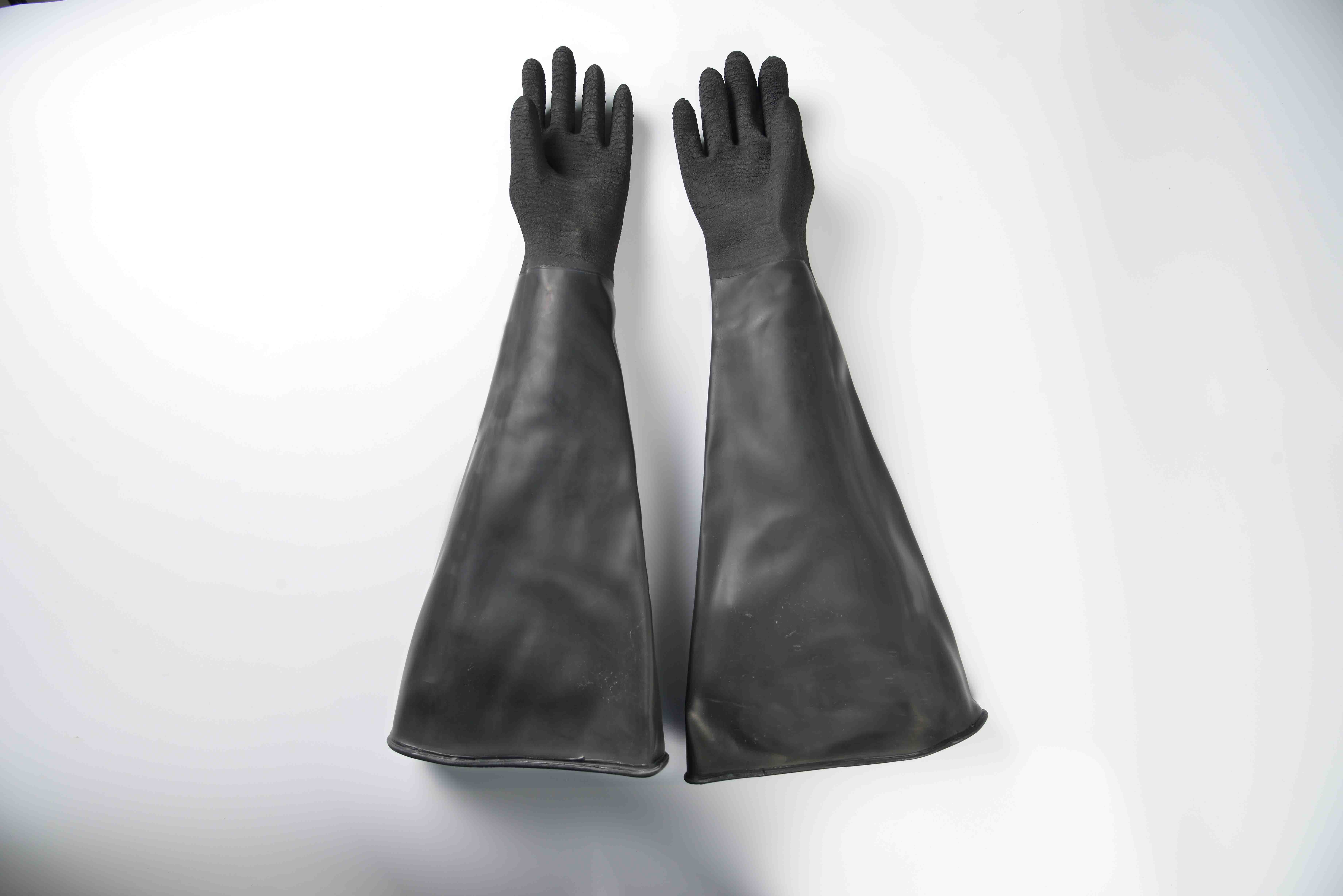
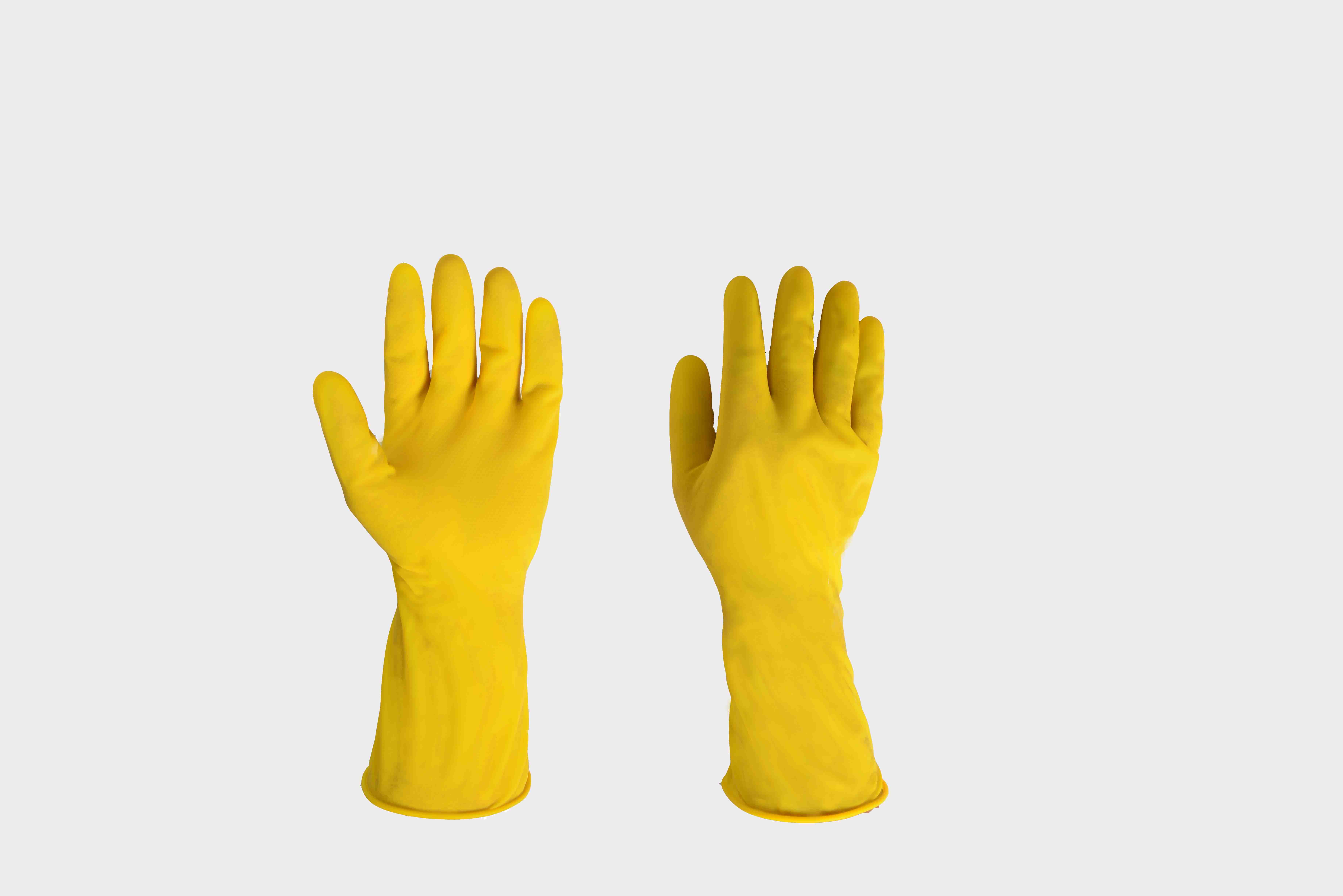
Sanitation glove, made of 100% natrual latex, length 32-36cm, textured palm for anti-slip, waterproof, anti acid and alkali, non-toxic. Mainly used for food processing, hotels, family kitchen, etc. Color: red, yellow, orange, rose, nude, etc.
Product Detail
FAQ
Product Tags
The company keeps to the operation concept "scientific management, high quality and efficiency primacy, customer supreme, Supply for Rubber glove-household for Lesotho Importers, We are sincerely welcome good friends from numerous circles at dwelling and abroad come to cooperate!
Sanitation glove, made of 100% natrual latex, length 32-36cm, textured palm for anti-slip, waterproof, anti acid and alkali, non-toxic.
Mainly used for food processing, hotels, family kitchen, etc. Color: red, yellow, orange, rose, nude, etc.
FAQ Content
Rubber gloves may be one of the most important pieces of protective gear in an electric line worker’s toolbox.
The gloves protect them as they make repairs or upgrade high-voltage power lines.
PG&E doesn’t leave it to chance that the gloves are manufactured without defects. A team of three lab workers tests every piece of the company’s personal protective equipment — rubber gloves, rubber blankets, line hose, jumpers and hoods.
A very small number of the gloves tested each month are rejected. Still, it’s critical that the products meet the highest safety standards. In all, the team tests as many as 84,000 pieces of protective gear every year.
“You have to have a lot of faith in these products,” said Clint Paxton, a PG&E insulation test lab supervisor. “When you reach out and grab 21,000 volts, you’ve got to know that you’ve got a quality product in your hand.”
The testing happens in a warehouse at the Emeryville Repair Facility, where employees recently celebrated the facility’s 90th anniversary. The team includes Andre Ladrech, Dave Williams and Don Griffin.
First the gloves are visually inspected and inflated to look for obvious physical defects. If they pass those tests, they’re placed in a machine and filled with water. An electrode goes in each glove.
The gloves are then subjected to 21,500 volts of electricity for one minute. If there’s a failure — even as small as a pinpoint — an alarm sounds in the test chamber and the glove is removed and made unusable.
“It’s nice knowing that when the guys grab the equipment they’re going to be safe,” said Williams.
To make the process more environmentally friendly, the lab workers are designing a system to recycle the 14 gallons of water used to test each batch of gloves. The lab also is involved in recycling the failed rubber products to keep them from reaching landfills.
Lab workers are currently testing the newest incarnation of the rubber glove. PG&E worked with the manufacturer to create a glove that’s more ergonomically sound. PG&E is the first utility in the United States to use the new gloves.
“Employees asked for an improved glove, we worked with the manufacturer to develop it and we tested it in the lab and in the field,” says PG&E Director Jeff Borders. “Employees loved it and now it’s rolling out.”
Paxton — a former line worker — says the new gloves offer a better fit and are much more comfortable.
These next-generation gloves are being delivered now to all locations during regular replacement shipments.
Nothing is more important than helping ensure that electric workers are safe when restoring power or upgrading electric lines. As the lab’s motto says, “Your Safety Is Our Business.”
This is a really fun trick I guess. It is not a how to clean anything, it is just what you can do with your gloves when you have free time.
I did live in Scotland before Wales and I picked this up whilst living there. The Scots have a lot of cool tricks.
If you are interested in the music, it is not copyright but I think Youtube content ID will pick it up for me if you try to put it on your channel,
Hi, It’s Sprig Barton
and you know after living in Scotland
for such a long time
well a year
I did learn how to make a bagpipe
out of these disposable gloves
and its really easy
so I’m going to share it with you
you take this end
put it over a tube
it can be a loo roll, toilet paper roll
or a paper towel roll
and i’ve use a twistie to attatch it
alright, sounds good, doesn’t it.
yep, that’s really good
ok, then you take a straw
or anything else that you have that is like a straw
like a pen bottom or something
because you’re crazy, right,
when you want to do this
so you might just have a pen handy
and not a straw
and then
cut a little hole
enough for the straw to go into the finger
ok, looks good right!
now, you can tape this up
or you can just hold it like
I’m going to do right now.
you can actually just
what it is you’re pulling it tight
against this hole
this hole in the cardboard
you can’t just blow
you have to pull it tight over this bit
sounds kind of like a reed
you know, like on a clarinet, or something
maybe better, better than a clarinet, yeah.
oh well
that’s your… that’s not really a good cleaning tip
is it!
That’s a good tip of what to do
with a glove and a straw.
or how to make a quick bagpipe
or maybe if you’re in the pub
and you’ve got these things with you
and you want to go crazy
just give this a shot
have a go!
OK
Thanks for watching Sprig Barton
Make a disposable glove bagpipe
Great! huh, great stuff!
Yes, Latex, disposable glove
mmm
well that’s it for today
and please click to watch another video or to subscribe