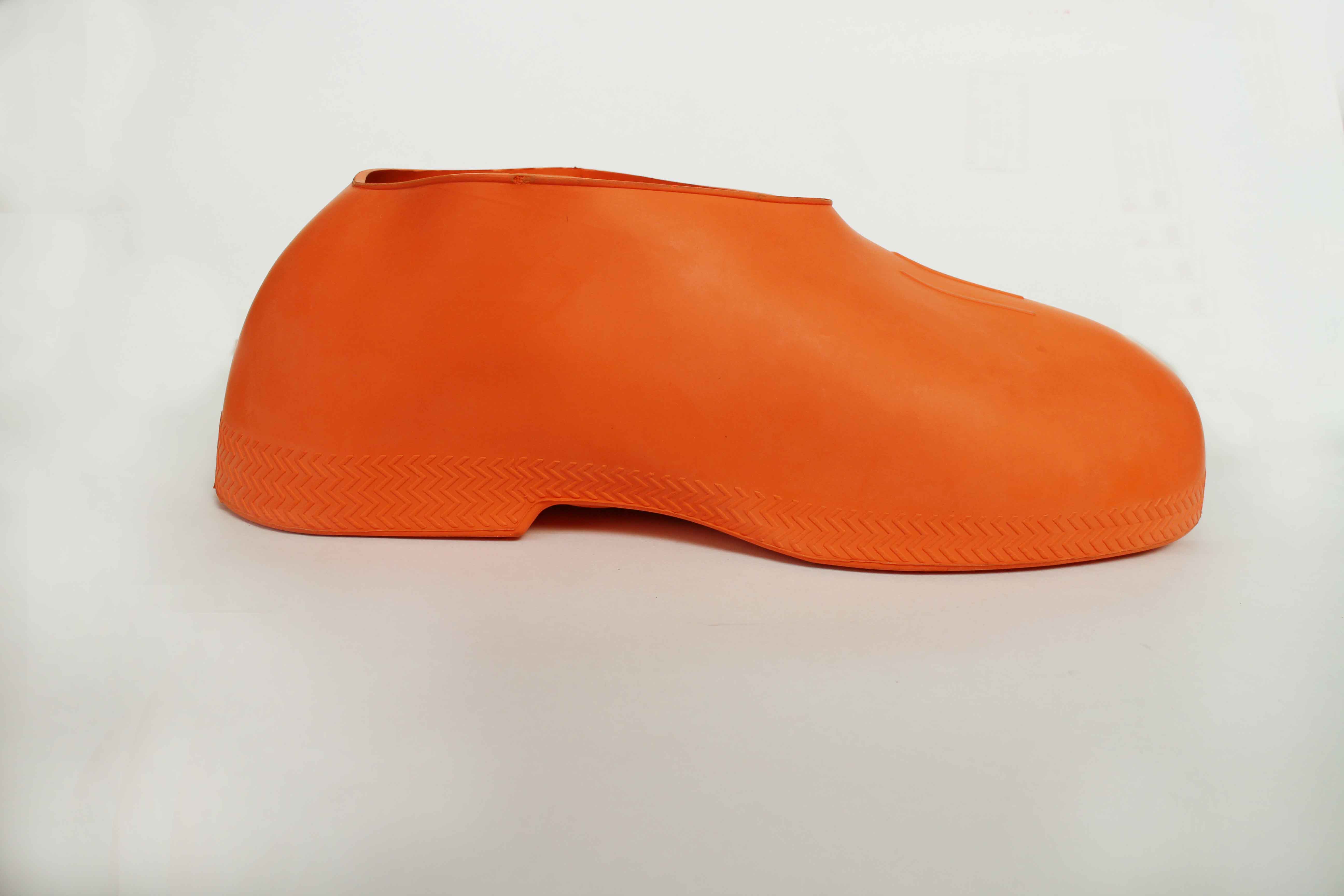
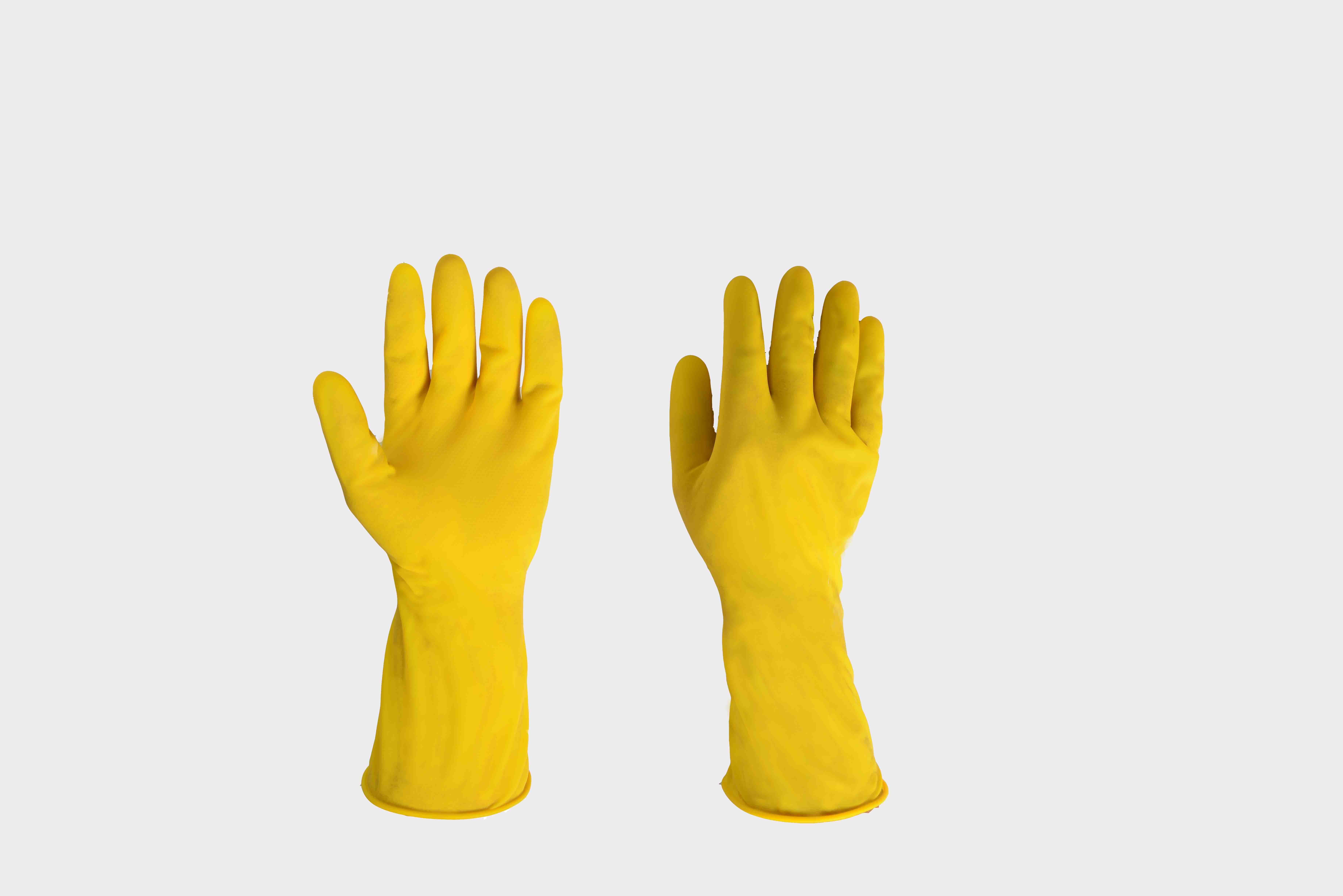
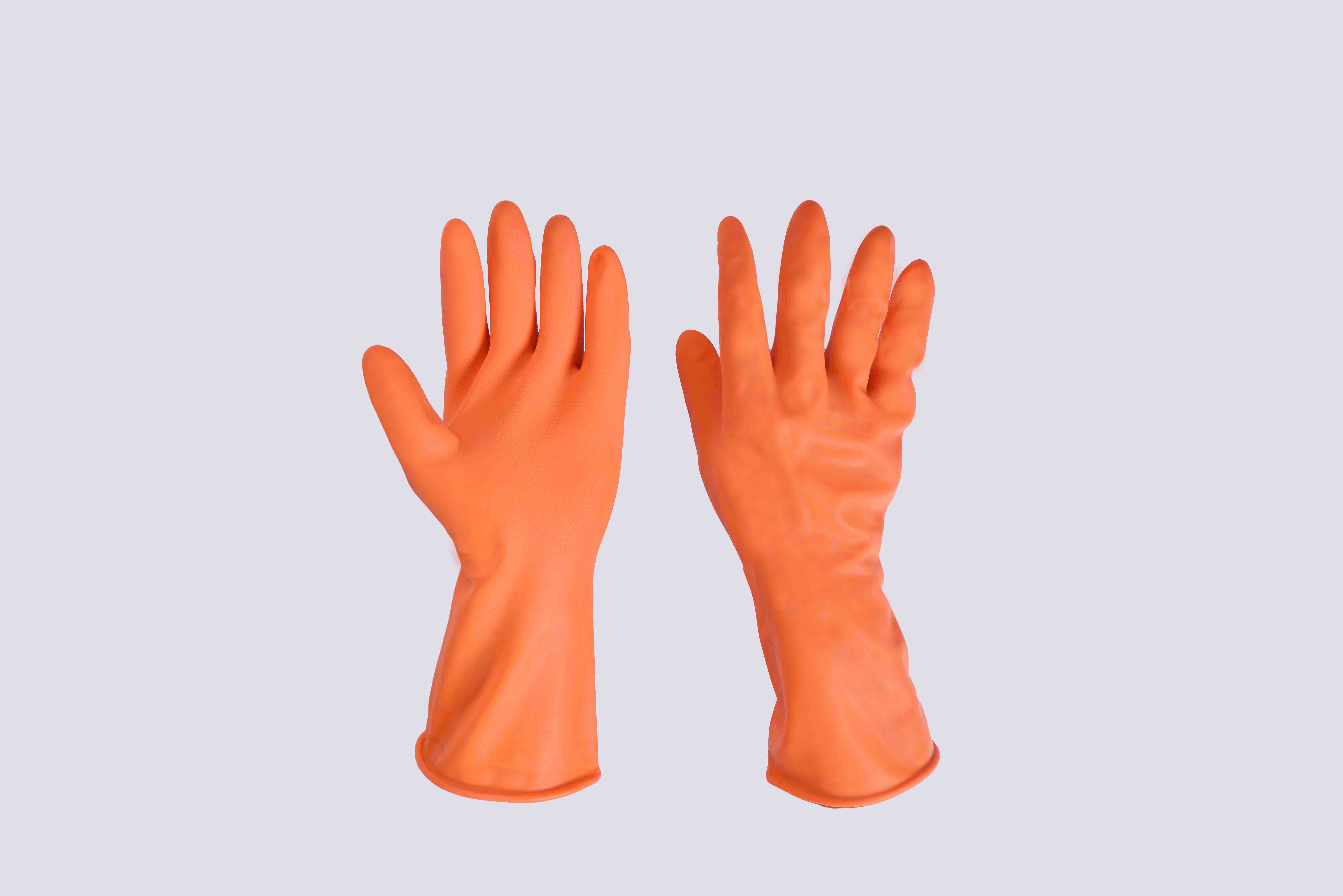
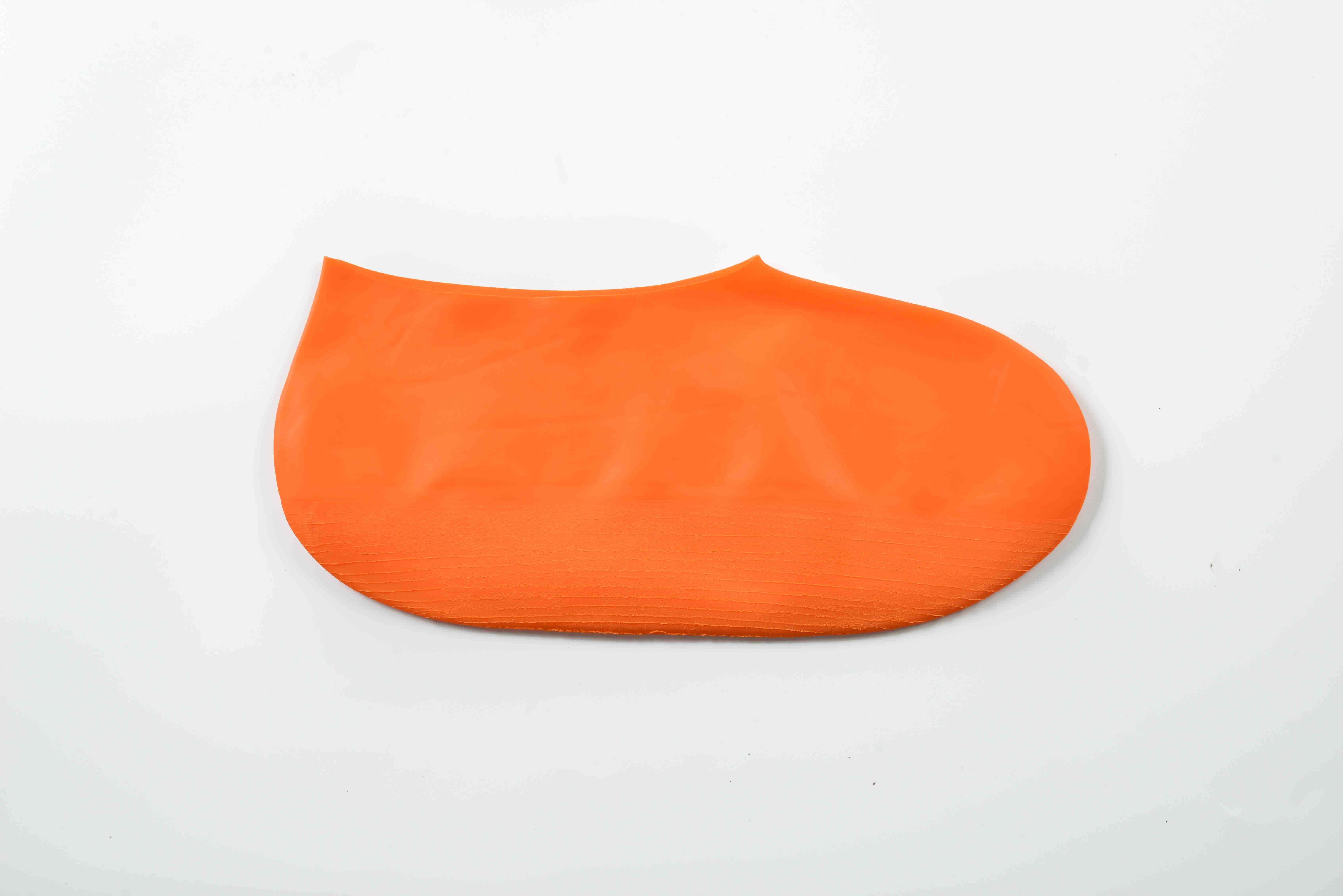
12 Years manufacturer 26″ Industrial rubber glove-rough finish Export to India
Short Description:

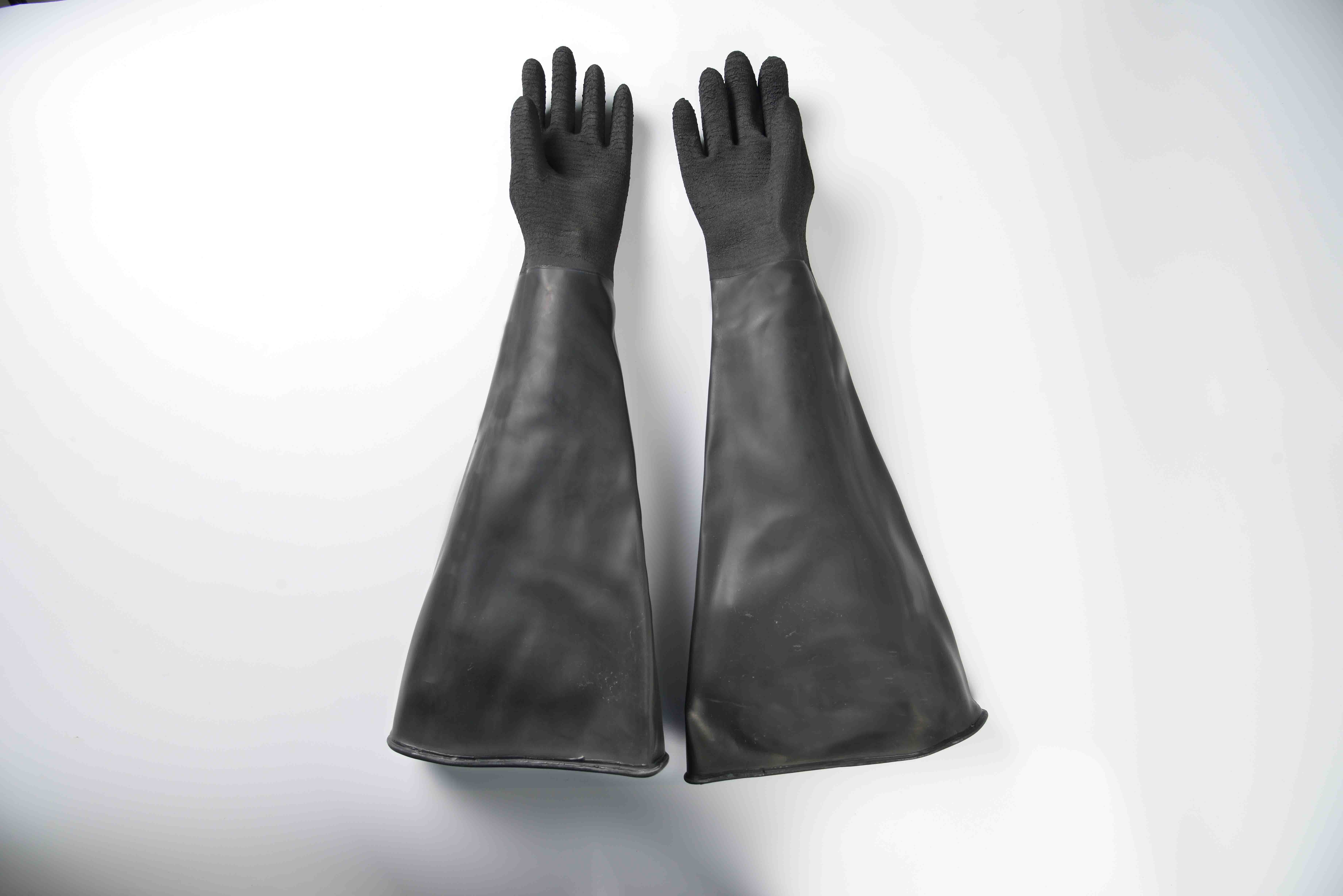
26”length (65-67cm), black, rough finish, seamless, no cotton lining, left/right hand, 700g/pair, cuff perimeter:61cm, double layer thickness:2.2mm. 50 pairs/case, carton size: 74*36*44cm. Net weight: 35kg/case, gross weight: 37kg/case. It can be suitable used with sand blasting machine operation.


Product Detail

FAQ

Product Tags

Our development depends on the advanced equipment ,excellent talents and continuously strengthened technology forces 12 Years manufacturer 26″ Industrial rubber glove-rough finish Export to India, We, with great passion and faithfulness, are willing to provide you with perfect services and striding forward with you to create a bright future.


26”length (65-67cm), black, rough finish, seamless, no cotton lining, left/right hand, 700g/pair, cuff perimeter:61cm, double layer thickness:2.2mm. 50 pairs/case, carton size: 74*36*44cm. Net weight: 35kg/case, gross weight: 37kg/case. It can be suitable used with sand blasting machine operation.

  • Previous:
  • Next:
  • FAQ Content


  • Here’s how to turn almost any styrofoam creation you can think up, into solid aluminum. It’s almost like magic! :)

    Common materials in the Mini Metal Foundry

    [✓] Clay Graphite Crucible: http://amzn.to/2bZ2ESu
    [✓] Steel Pail: http://amzn.to/2bSuGAC
    [✓] Plaster of Paris: http://amzn.to/2bZ0cf0
    [✓] 2.5 Quart Bucket: http://amzn.to/2c0l3gk
    [✓] 5 Quart Big Mouth Bucket: http://amzn.to/2bSvyoz
    [✓] Heat Resistant Gloves: http://amzn.to/2bSv02d
    [✓] 1-3/8” Hole Saw: http://amzn.to/2bSvo0z
    [✓] 3” Hole Saw: http://amzn.to/2cib3kQ
    [✓] 1” x 12” Steel Pipe: http://amzn.to/2cu3uGU

    Endcard Links:

    Projects: http://bit.ly/PLWeekendProjects
    Experiments: http://bit.ly/PLExperiments
    Life Hacks: http://bit.ly/PLLifeHacks
    Mad Science: http://bit.ly/PLMadScience

    See What Else I’m Up To:

    Instagram: https://goo.gl/C0Q1YU
    Facebook: http://bit.ly/FBTheKingOfRandom
    Pinterest: http://bit.ly/pingrant

    Business Inquiries: For sponsorship requests or business opportunities please contact me directly: http://www.youtube.com/thekingofrandom/about

    WARNING:

    Charcoal foundries can reach temperatures in excess of 1,000ºC, which is well above the melting point of hobbyists. This project should only be attempted with adequate knowledge and training, proper protective safety gear, and in a fire resistant area with adequate ventilation. The sparks flying from the foundry can ignite fires, and the fumes from burning dross can be toxic. Use caution and common sense. Be safe and have fun, but always remember that any project or experiment is at your own risk.

    Music By: Jens Kiilstofte – “Morning Cruise” https://machinimasound.com/music/morning-cruise

    Project Inspired By:

    This project was inspired by 2 videos. If you check them out, please let them know that Grant Thompson sent you. Thanks! :) First was a “lost foam casting” tutorial by “The Art of Weapons” (http://bit.ly/IBRamboneSlingshot) and a Rubber Band gun designed by “RBGuns” (http://bit.ly/IBM9RubberBandGun). I modified the template from RBGuns to make the styrofoam mold.

    Project History & More Info:

    The gun is solid aluminum, made from melted down soda cans.

    I spent over 100 hours of time, and 7 styrofoam prototypes to make this video. About a third of the time was spent filing and sanding the gun. Each time I poured a casting for the gun, the trigger guard wouldn’t complete all the way through, so I kept making new styrofoam guns, modifying the designs slightly until it worked.

    Once I got a fairly clean casting, I put 2 days into filing down rough points, and sanding them smooth.

    The gun could use a little more work, and it’s not perfect, but this experiment was mainly a proof of concept that nearly anything you can imagine can be made fairly easily with the “lost foam casting” technique. Overall, I really am happy with the gun though! It weighs 556 grams, and is really quite smooth to feel.

    For future projects, I plan to work more with green sand casting. I believe it will leave a nicer finish overall and won’t require as many prototypes to get it right :) Instead of foam, wood plugs can be used to make the molds, or even real weapons for that matter.


    Carpenter and builder Rob Robillard from http://www.AConcordCarpenter.com provides Tips and Important considerations when using a Pressure Washer

    Read article here: http://www.aconcordcarpenter.com/how-to-use-a-pressure-washer.html

    Visit Rob’s website where he shares his industry training and experience to provide solutions to your problems and to make appropriate PRO recommendations for purchasing products, tools and accessories.

    This video accompanies a detailed article viewed here: http://www.aconcordcarpenter.com/how-to-use-a-pressure-washer-2.html

    Here at A Concord Carpenter we love tools and believe the right tool for the job can save you time and money, but ultimately you’ll get better results when you use the BEST tool for the job. When it comes to cleaning outdoors, nothing does a better job, faster than a pressure washer. But misuse of a pressure washer can have the opposite effect on your project. Check out these important tips on how to use a pressure washer.

    Nozzle Choice

    Nozzle choice is important to get the best results for the application you are using your pressure washer for. Nozzles are marked by degree and often color coated to delineate the width of the fan of the spray. A wide spray, for example 40-degrees, is good for soft material, like wood. A thin stream or a 0-degree spray is good for tough stains on concrete or to strip offending build up from a surface or weeds from cracks in driveways.

    IDEWALT DXPW4240 Pressure Washer Review
    Spray Pattern

    The spray pattern you use during operation is important and can have a major impact on the results of your wash. Start spraying from a distance of 4 feet and work your way closer until you get the desired cleaning effect. Don’t get too close to the work surface as you may gouge or damage the work surface. Once you find the appropriate distance maintain this distance throughout your cleaning.

    You can work from top down or from the bottom up, but keep your pattern consistent and use an overlapping pattern to prevent streaking. Whether you choose to work from the top first or the bottom depends on the surface you are cleaning.

    Be sure to spray your surface at an angle, a direct spray from a powerful pressure washer can force dirt and grit into the surface rather than wash it away. When rinsing a clean surface be sure to spray with the nozzle pointed down or away in the same direction to promote left over dirt and debris to flow down and away from the surface.

    DEWALT DXPW4240 Pressure Washer
    Detergents and Chemicals

    If you are using a detergent, degreaser, or any other chemical to accelerate your cleaning you should prepare the area around your work surface and ensure you are wearing the appropriate Personal Protective Equipment (PPE)

    To mitigate the effect of chemicals on your landscaping you can pre-soak your plants around the cleaning area with a generous amount of water to dilute any possible chemical contamination.

    To thoroughly protect your plants and flowers you can set up tarps over them to prevent any direct contact with chemicals. If you do so, remember to use an opaque tarp and minimize the amount of time the plants remain under the tarp during hot days.

    Eye protection should ALWAYS be worn during pressure washer operation and when using harsh chemicals gloves, long sleeve, and pants should be worn to prevent contact with skin.

    Using a detergent is an important step when staining a deck.

    DEWALT DXPW4240 Pressure Washer Review
    Take extra care

    A pressure washer is an extremely powerful tool and you should take extra care near windows, electrical components like lights and exterior outlets, and fragile components of your home or deck. The strength of the pressure washer could damage these parts of your home and worse could force water in and behind the exterior of the home accelerating rot and promoting mold.

    Consider the direction of spray against some specific areas. Never spray up under clapboard siding or shingles. You could drive water up and under the protective surfaces of your home. Same concept goes for your roof, spraying up under shingles can drive water up and under your roof which could develop into a consistent leak and promote rot.

    As I mentioned a pressure washer is powerful so be sure to wear PPE and treat the nozzle like a gun and NEVER point it at anyone or anything you don’t intend to spray. Also the kick back of the sprayer can be tough to handle so stay off ladders and ensure you have solid footing and handle the wand with both hands during operation.

    Send your message to us:

    INQUIRY NOW
    • [cf7ic]

    Related Products

    INQUIRY NOW
    • [cf7ic]