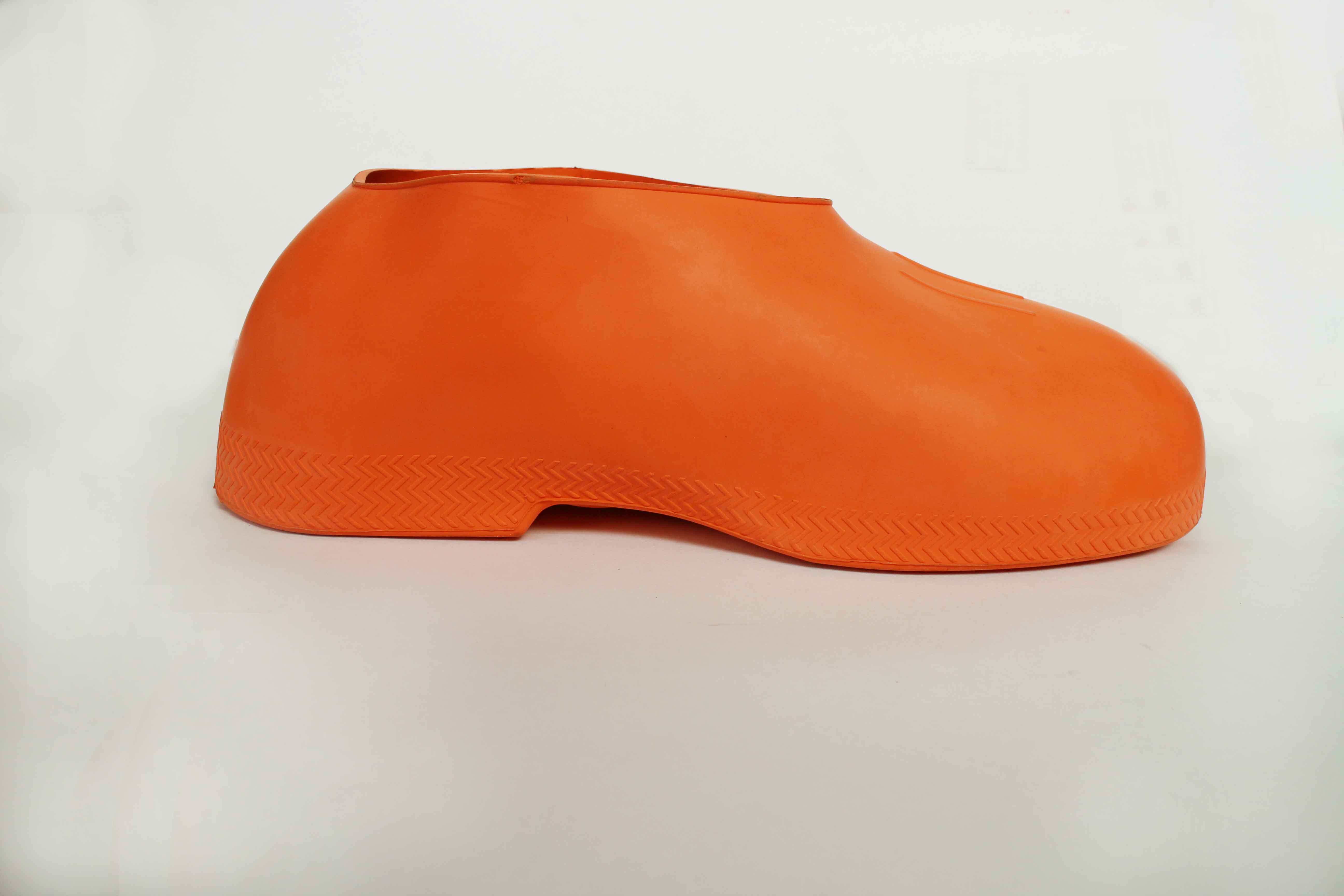
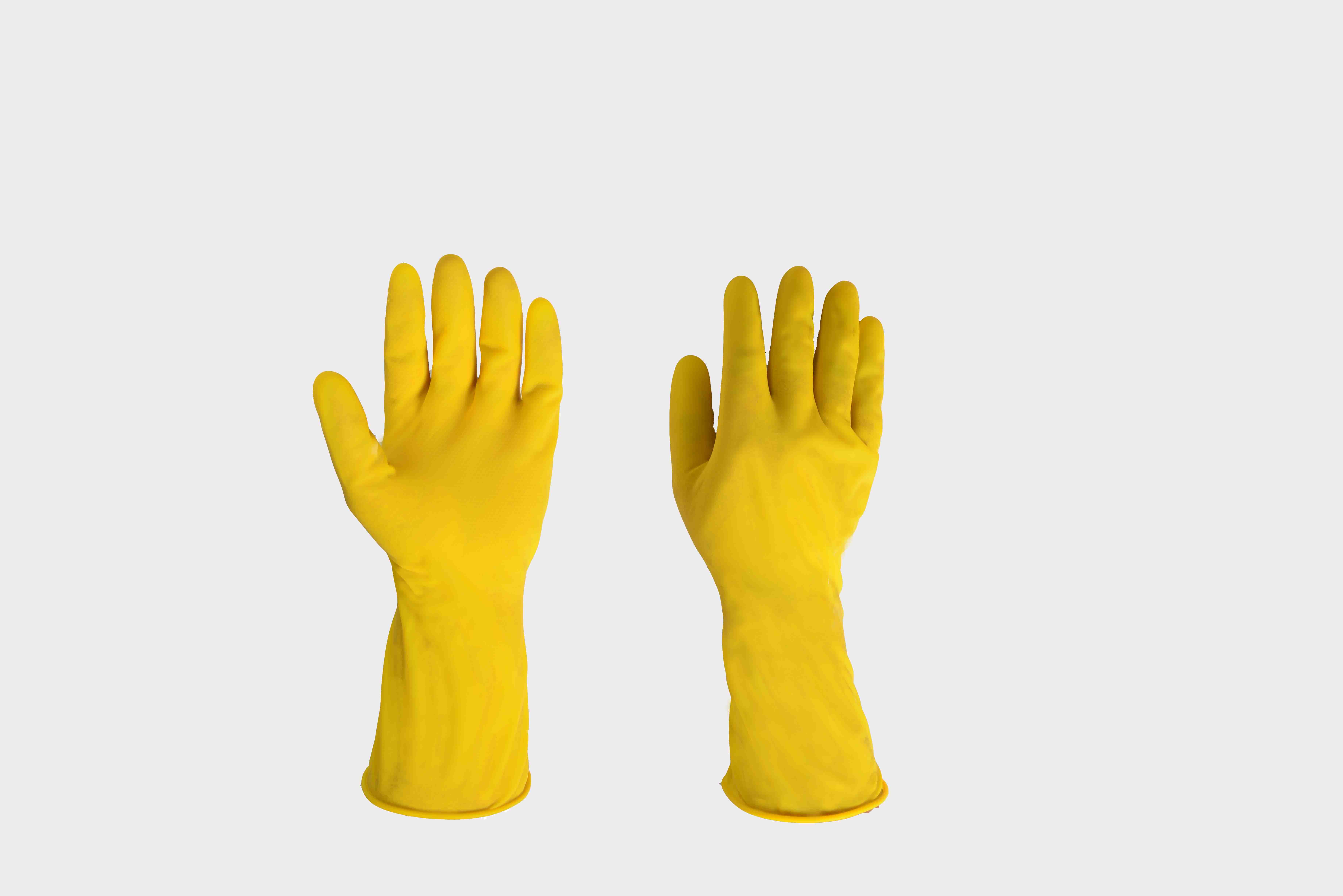
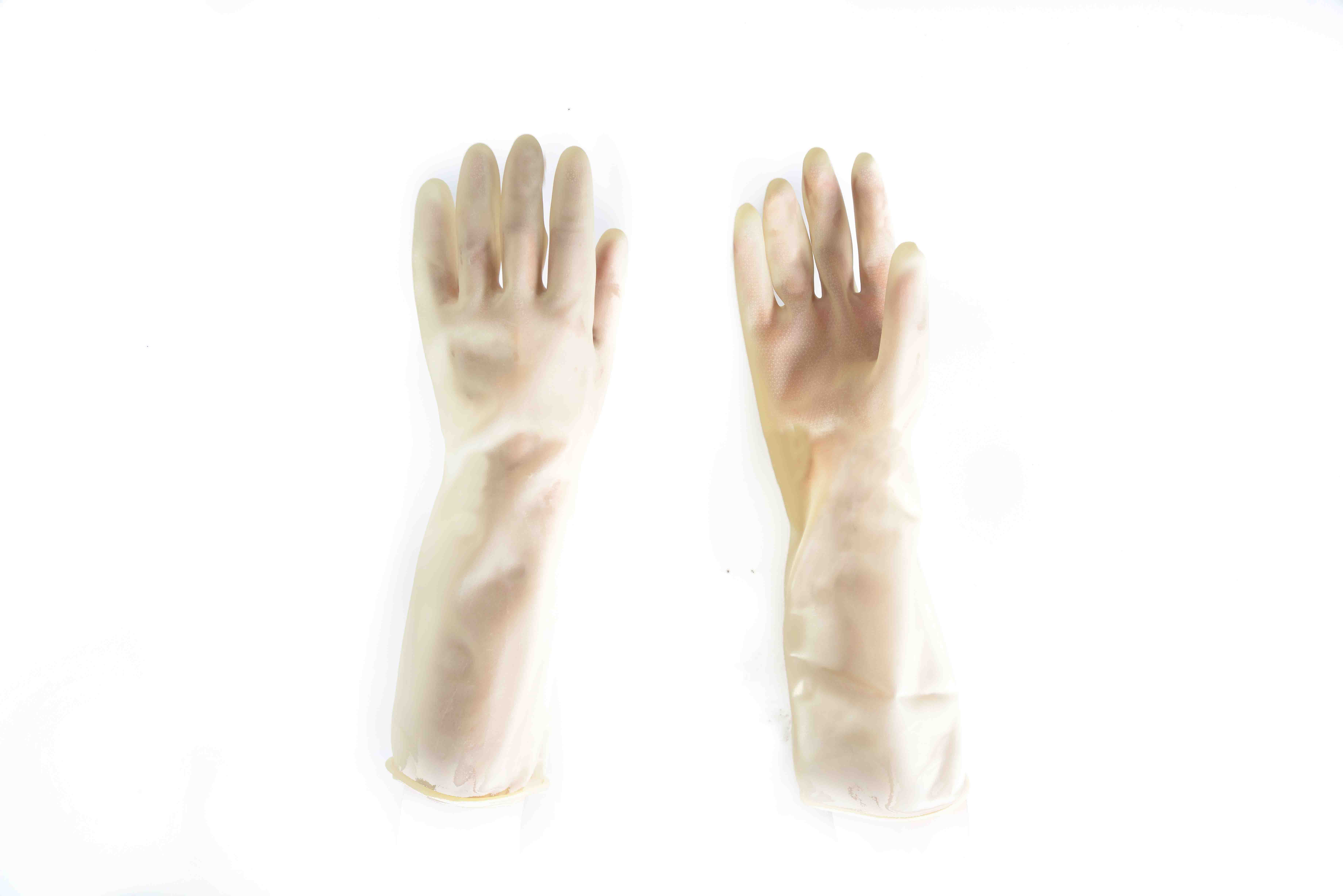
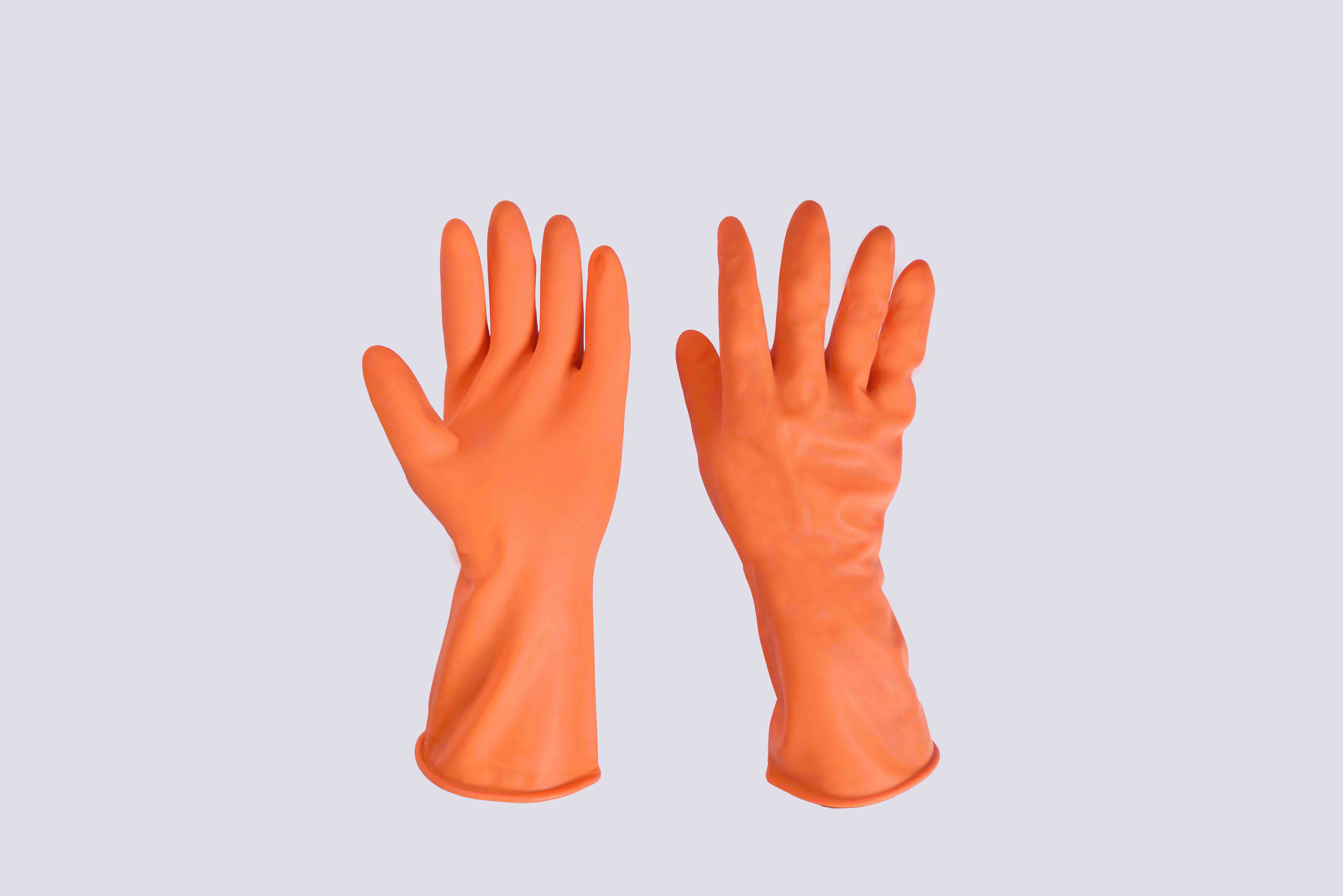
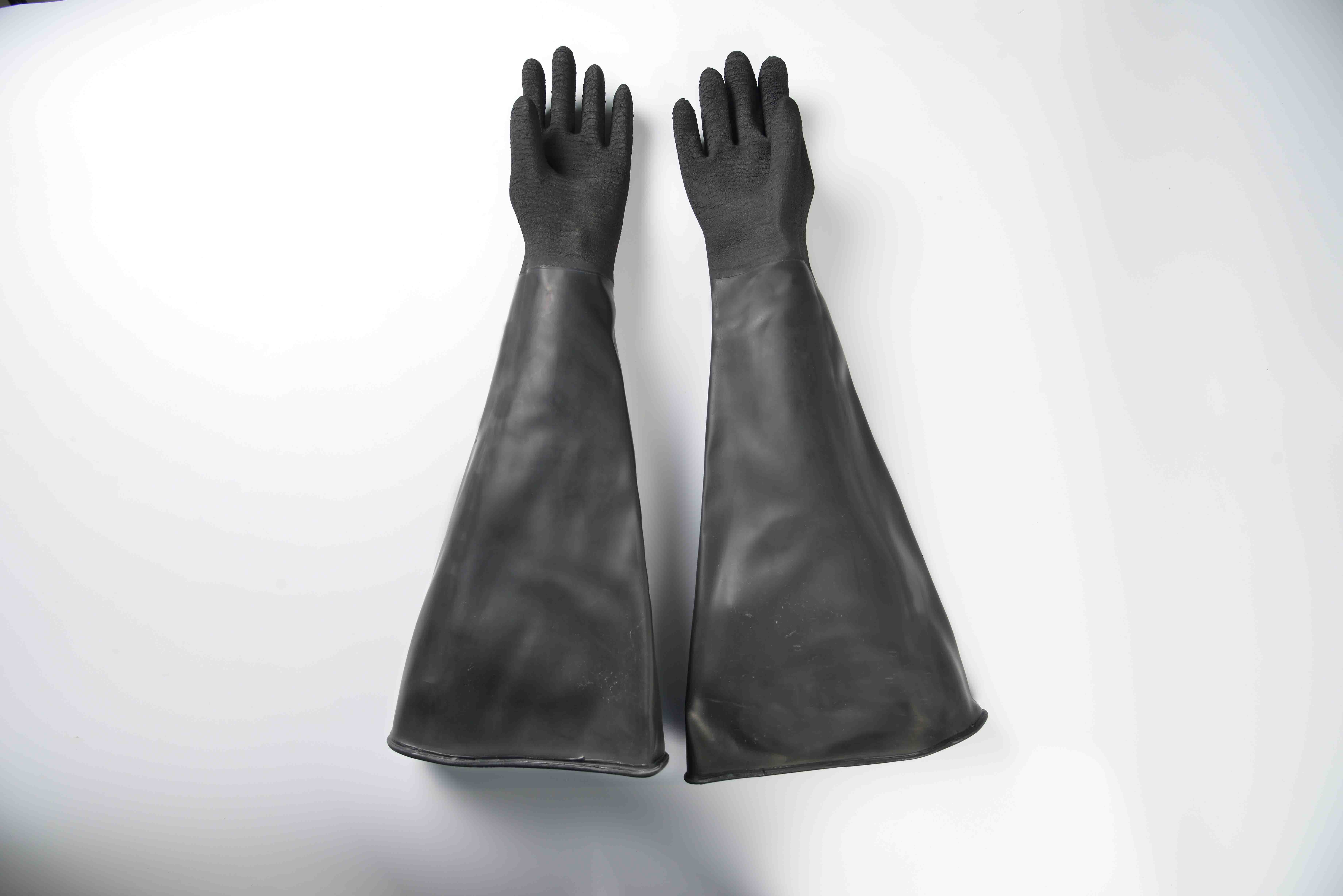
High Efficiency Factory 26″ Industrial rubber glove-rough finish Export to Belgium
Short Description:
26”length (65-67cm), black, rough finish, seamless, no cotton lining, left/right hand, 700g/pair, cuff perimeter:61cm, double layer thickness:2.2mm. 50 pairs/case, carton size: 74*36*44cm. Net weight: 35kg/case, gross weight: 37kg/case. It can be suitable used with sand blasting machine operation.
Product Detail
FAQ
Product Tags
Our company promises all users of the first-class products and the most satisfying post-sale service. We warmly welcome our regular and new customers to join us for a better future. High Efficiency Factory 26″ Industrial rubber glove-rough finish Export to Belgium, Create Values,Serving Customer!" is the aim we pursue. We sincerely hope that all customers will establish long term and mutually beneficial cooperation with us.If you wish to get more details about our company, Please contact with us now.
26”length (65-67cm), black, rough finish, seamless, no cotton lining, left/right hand, 700g/pair, cuff perimeter:61cm, double layer thickness:2.2mm. 50 pairs/case, carton size: 74*36*44cm. Net weight: 35kg/case, gross weight: 37kg/case. It can be suitable used with sand blasting machine operation.
FAQ Content
Check out these new types and more from Zappos.com! http://zps.to/ShopZappos
Subscribe & see more! http://zps.to/SubscribeShopZappos
You can expect to pop for the Poppy slipper from Haflinger®!
Gentle, natural a hundred% boiled wool higher with a trio of poppy appliques on just about every toe.
Simple slip-on design and style.
Wool-covered latex sock liner conforms to your foot for optimum comfort and ease.
Felt outsole.
Imported.
Measurements:
Excess weight: six oz
Link with Zappos:
Check out our other channel! https://www.youtube.com/ZapposGear
Observe Zappos on Twitter & Instagram! @zappos
Pin with us! https://www.pinterest.com/zappos
Be our good friend on Fb! https://www.facebook.com/zappos
Go Over and above the Box! https://www.zappos.com/blogs
https://www.iitutor.com
General safety precautions when using sulfuric acid
Always wear safety goggles
• Wear protective gloves and a laboratory coat
• Work near a ready supply of running water
• Have a supply of sodium carbonate or sodium bicarbonate at hand to neutralise any spills
• For regular use store the acid in glass bottles no larger than one litre
• Try to avoid dribbling acid down the outside of the bottle and if you do, wipe it off carefully with wet tissue
• Always place the storage bottle in a drip tray to ensure that any drips do not contact the bench or shelf
• When diluting concentrated acid, always add the acid to the water and do slowly
How can it be safely stored?
• train fully the person involved in the storage of sulfuric acid
• avoid storing the acid with water, chlorates, chromates, carbides, nitrates and powdered metals
• store in a cool, dry, well-ventilated area
• store away from sunlight and open flames
• refrain from storing in metal drums as hydrogen gas may result
• use dry chemical or carbon dioxide extinguishers when dealing with fire caused by sulfuric acid
Transport
The concentration of commercially available sulfuric acid is 98% and sulfuric acid cannot ionize. Therefore it does not attack iron and steel and can safely be stored and transported in steel containers or in steel tankers. Steel has the advantage of greater strength when compared with glass and plastic containers. However, diluted sulfuric acid contains hydrogen ions vigorously attacks metals such as iron and steel. Hence dilute acid must be stored in glass or plastic containers that make it more difficult to transport. When storing and transporting the acid in steel containers, care must be taken to avoid contamination with water, because that could set off a vigorous reaction between the acid and the container.
First-hand investigation—Reactions with sulfuric acid
Safety issues
Always wear safety glasses to avoid eye damage. If dilute sulfuric acid is spilt on the skin then wash it off with water. Concentrated sulfuric acid should only be used by the teacher. It can cause severe burns and generates considerable heat when it is added to water. Sulfuric acid should always be diluted by adding small volumes of the acid to large volumes of water with stirring.
Reactions to investigate
Oxidising agent
1 Test small samples of metals (e.g. Mg, Zn, Fe, Sn, Cu) with 2 mL volumes of cold and warm 2 mol L-1 H2SO4. Record your observations and write balanced equations for any reactions.
2 Teacher demonstration: the teacher can heat a granule of tin in a small volume of concentrated sulfuric acid using a hot water bath in a fume cupboard. To check whether sulfur dioxide is released, place a strip of filter paper soaked in acidified potassium dichromate at the mouth of the test tube. It will turn green if sulfur dioxide is present.
Dehydrating agent
Teacher demonstration: a spoon of sugar is placed in a large test tube. 1–2 mL of concentrated sulfuric acid is added. The tube is placed in a test tube rack in the fume cupboard. The sugar turns brown, then black as carbon forms. The heat released causes the water and acid to begin to vaporise.